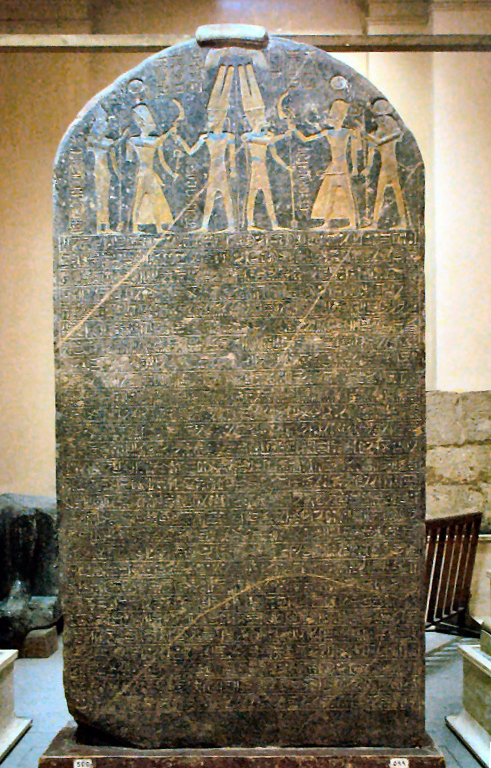
01Exodus & Settlementc. 1208 BCE
Merneptah Stele
Egyptian granite stele containing the earliest known mention of "Israel".
Held by Egyptian Museum, Cairo
Exodus 1:1-14Joshua 11:16-23
Examine the evidenceTwo centuries of excavation in Egypt, the Levant, and Mesopotamia have returned thousands of artifacts to the light. A small number of them changed how the world reads the Bible. This is that shelf — 12 discoveries chosen for their direct bearing on the biblical text, each documented with its provenance, dating, and the passages it illuminates.
Egyptian granite stele containing the earliest known mention of "Israel".
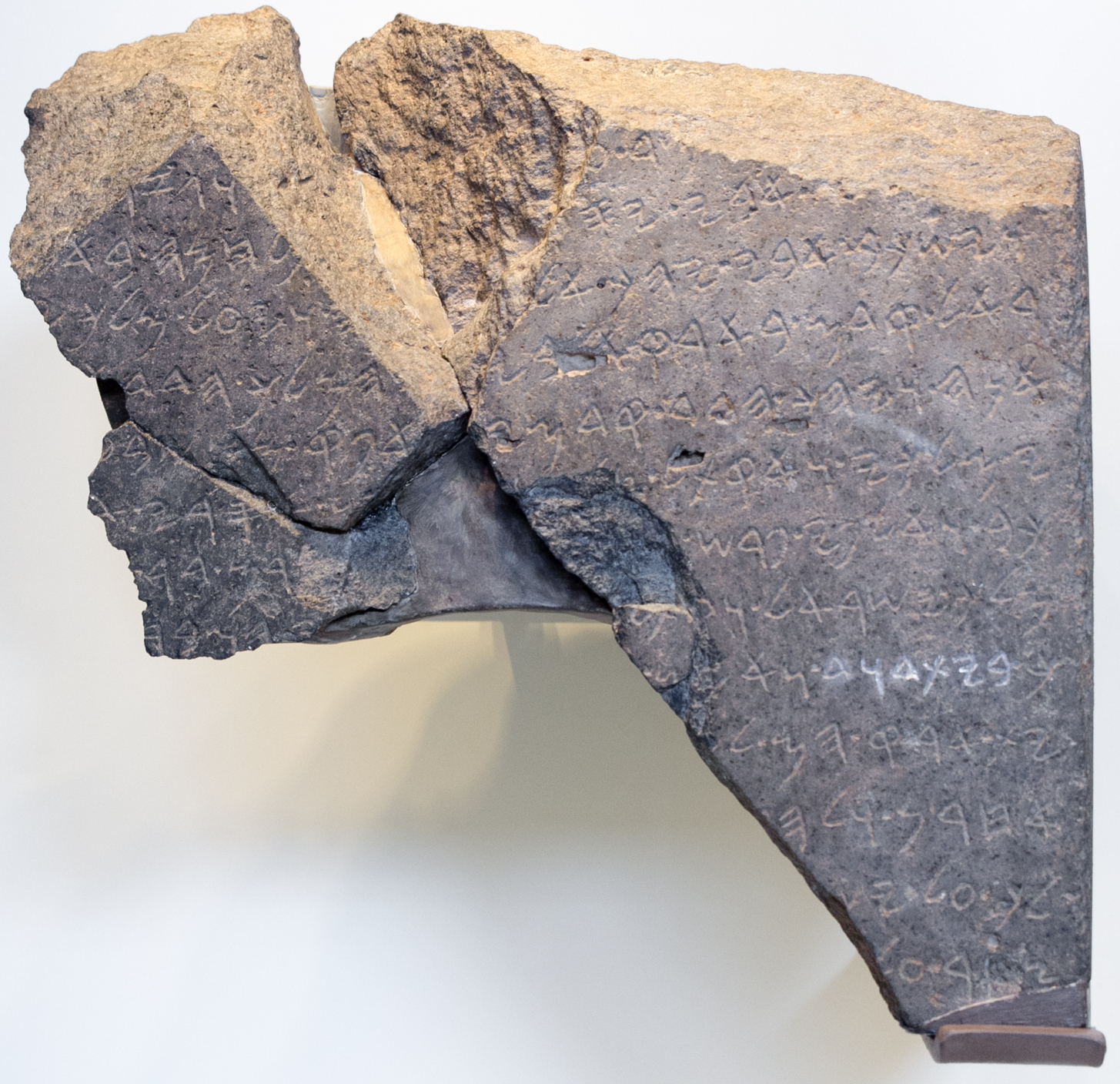
Aramaic victory stele containing the earliest extra-biblical reference to the House of David.
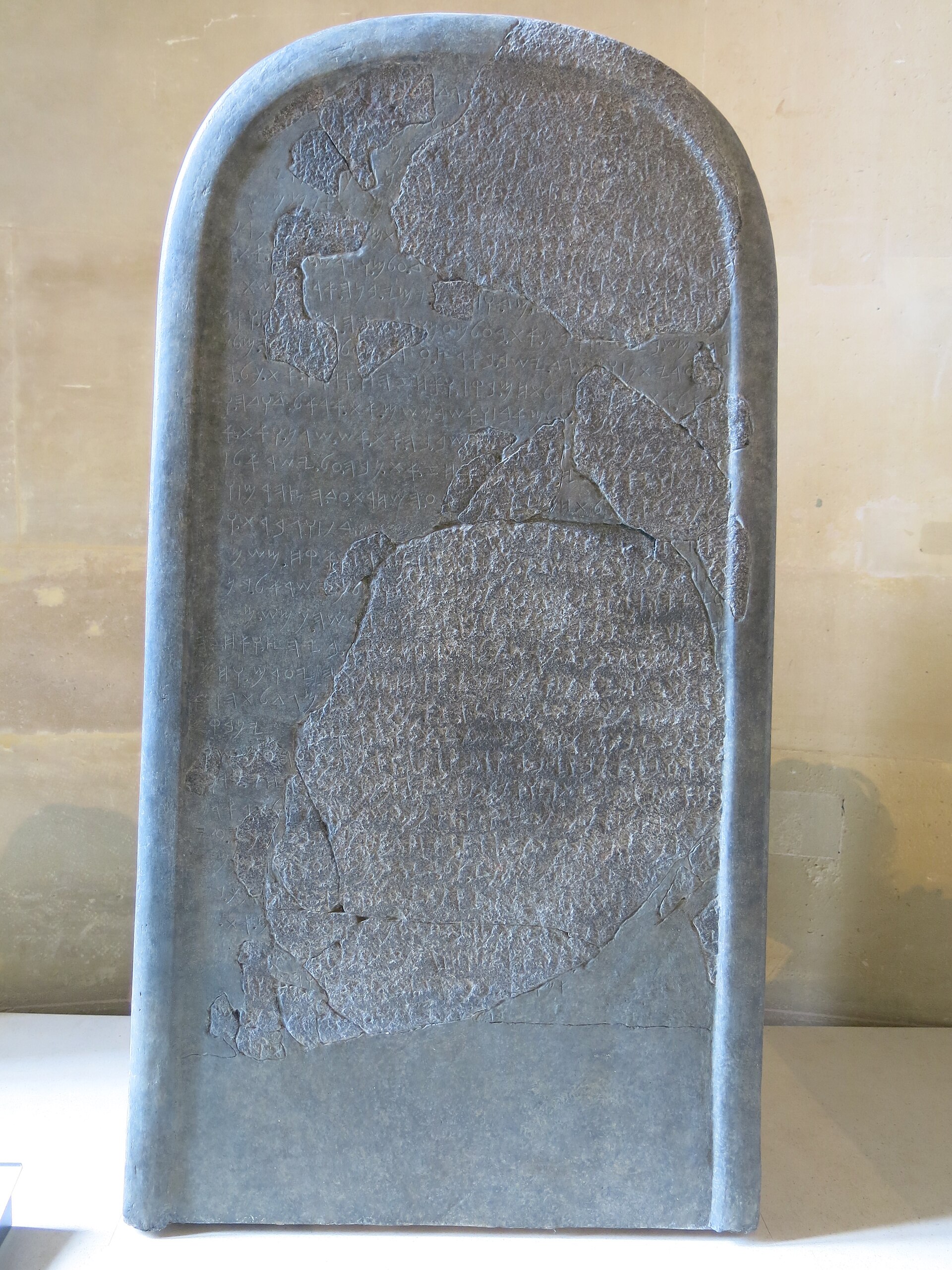
Basalt monument on which Mesha, king of Moab, recounts his revolt against Israel.
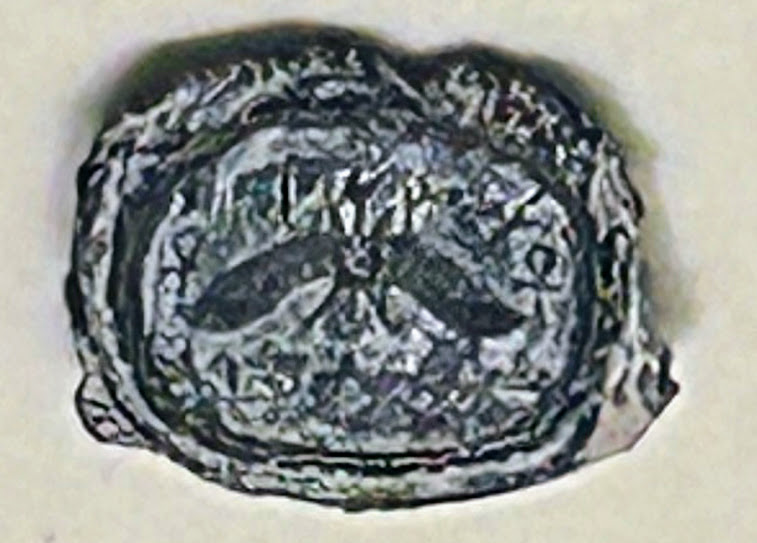
Clay seal impression bearing the name of King Hezekiah of Judah.
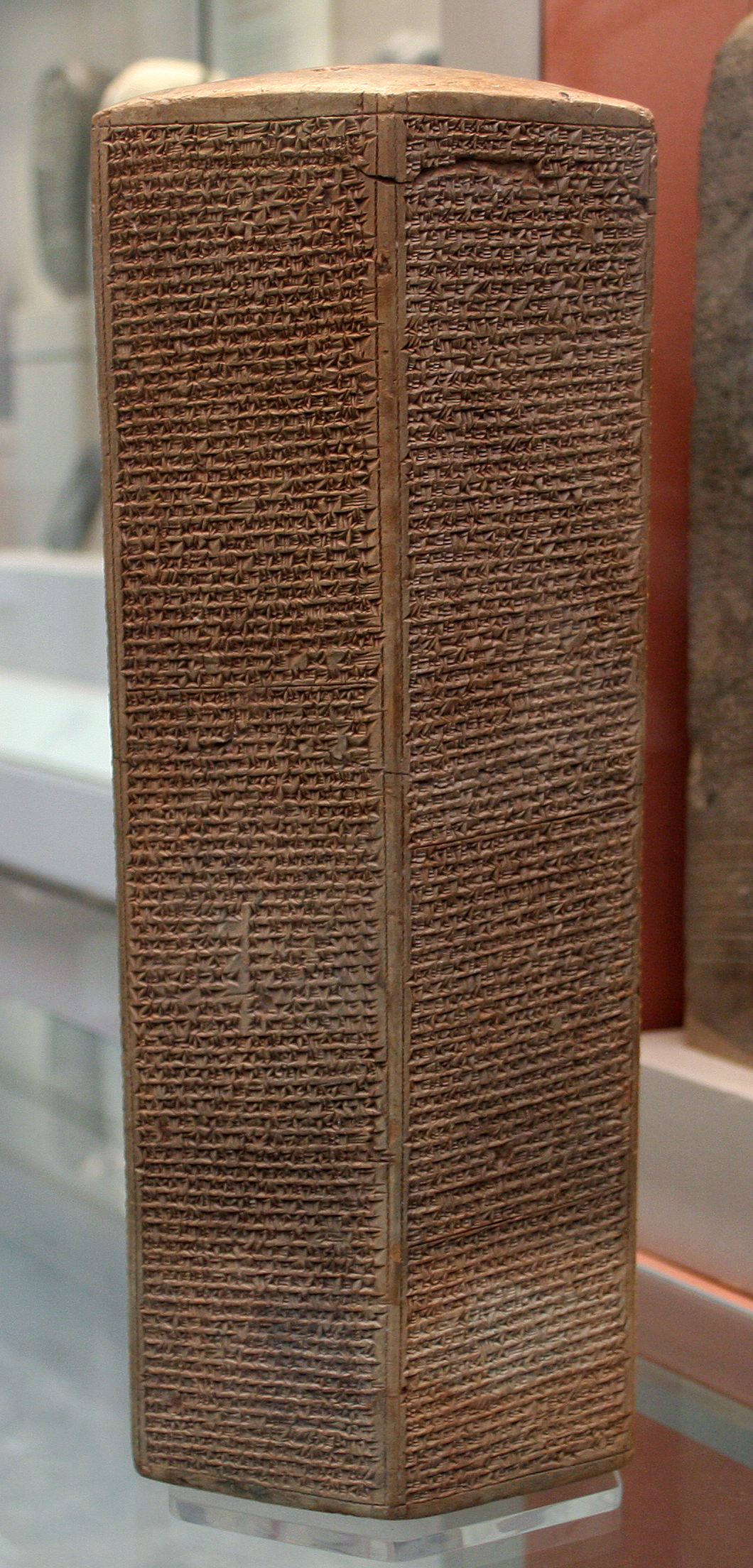
Six-sided baked clay prism recording Sennacherib's siege of Jerusalem.
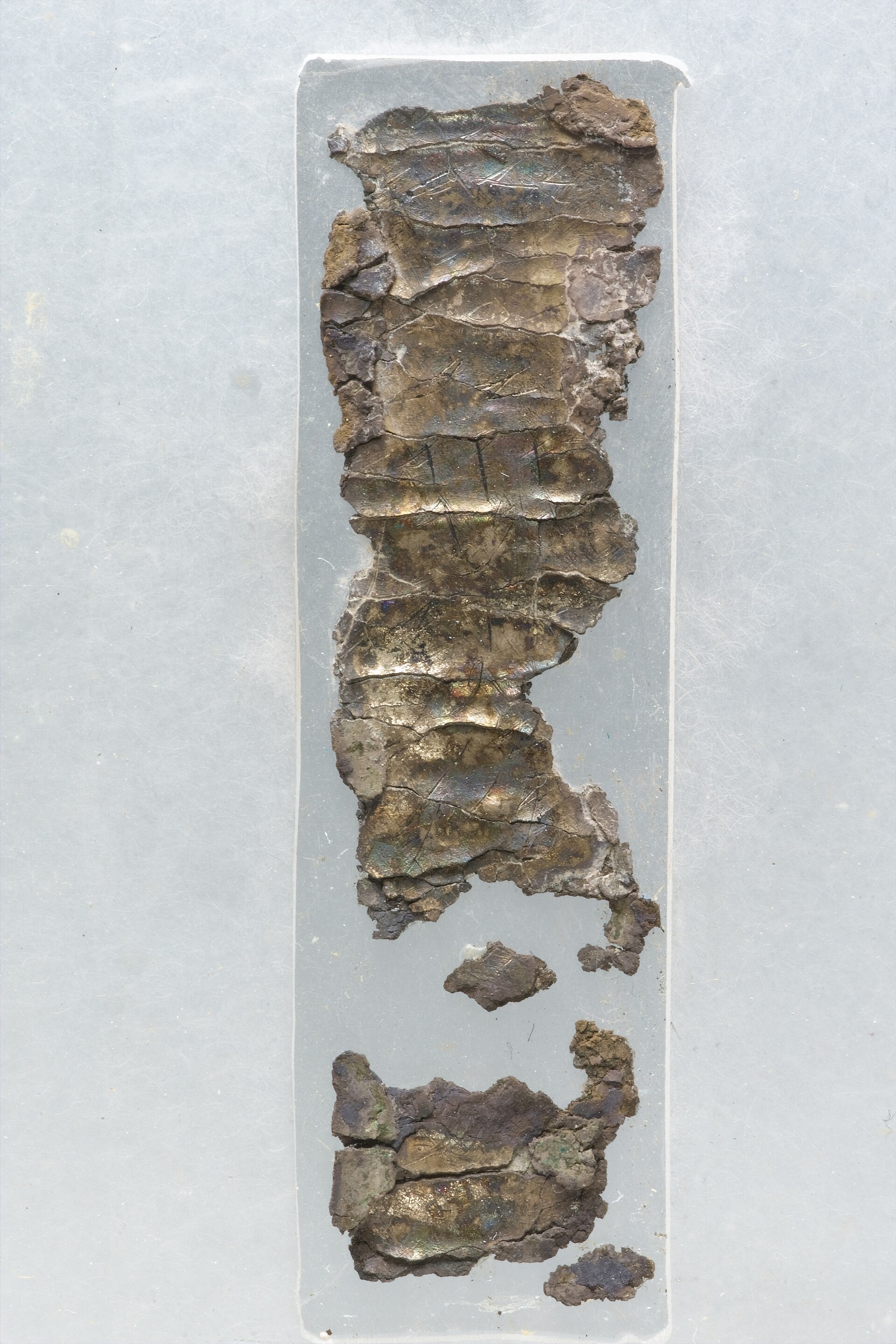
Two tiny silver amulets bearing the priestly blessing — the oldest biblical text ever found.
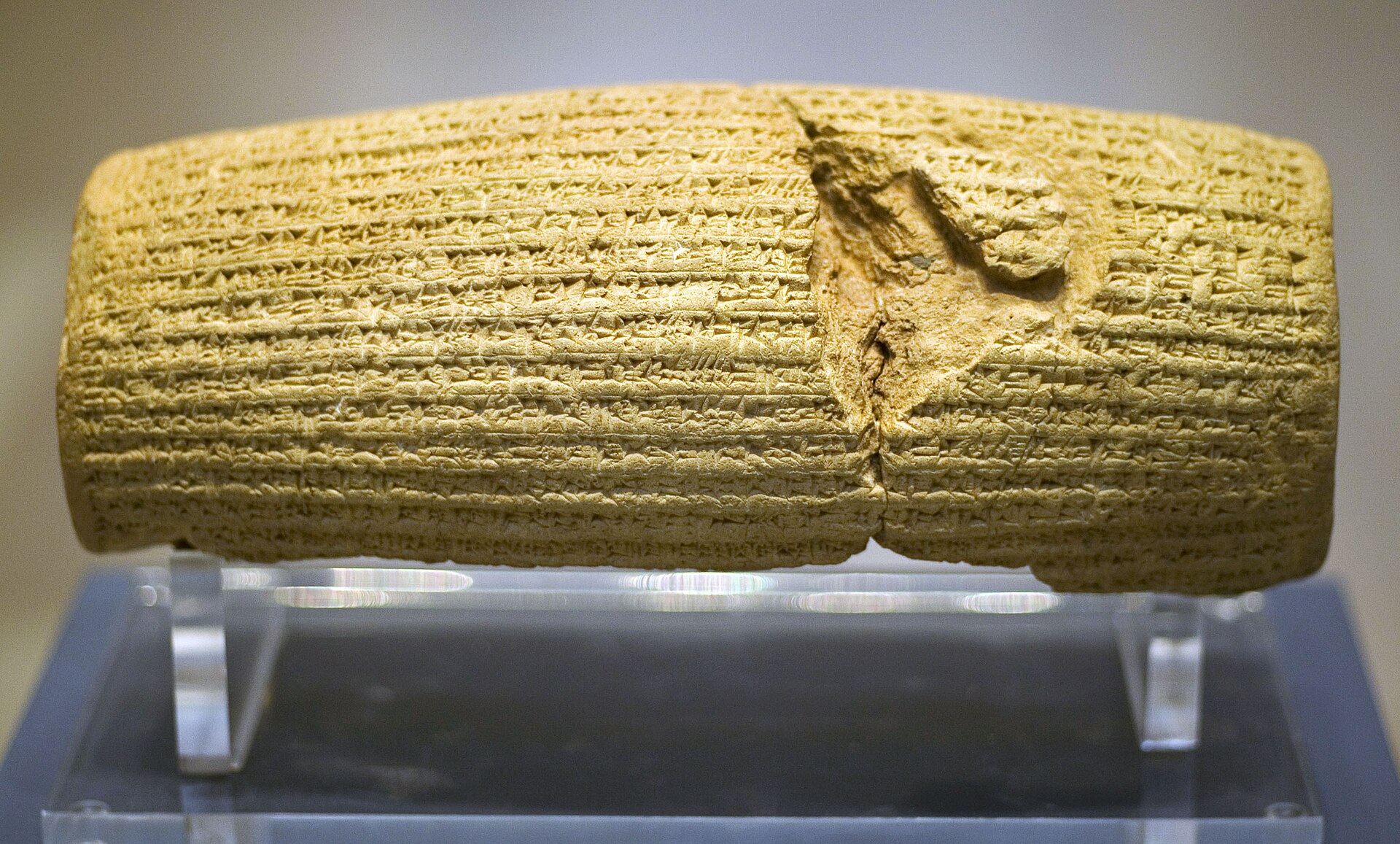
Clay cylinder recording Cyrus the Great's policy of returning exiled peoples to their homelands.
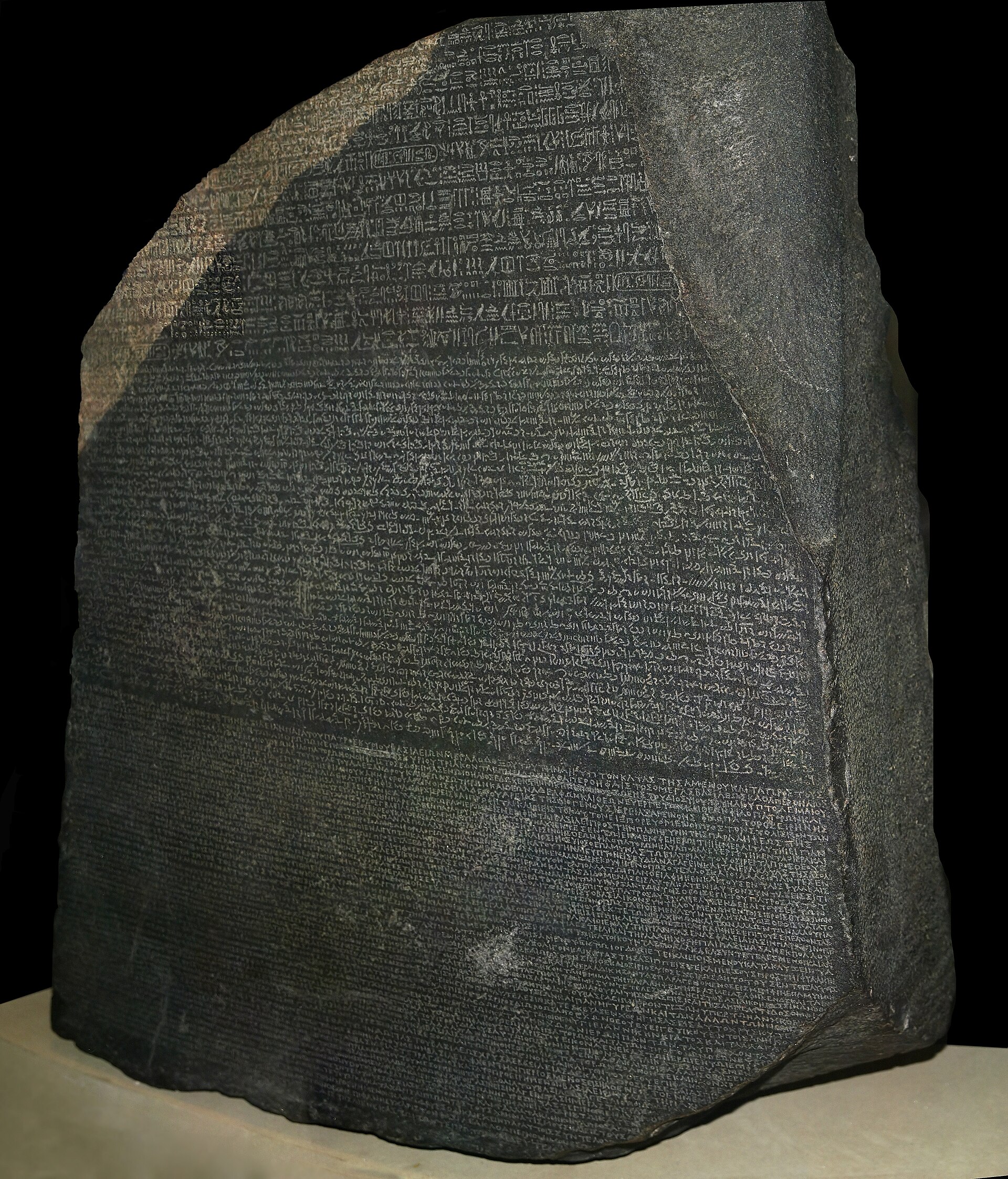
The granodiorite stele whose trilingual decree unlocked Egyptian hieroglyphs — the key that opened the entire world of ancient Near Eastern texts to modern scholarship.
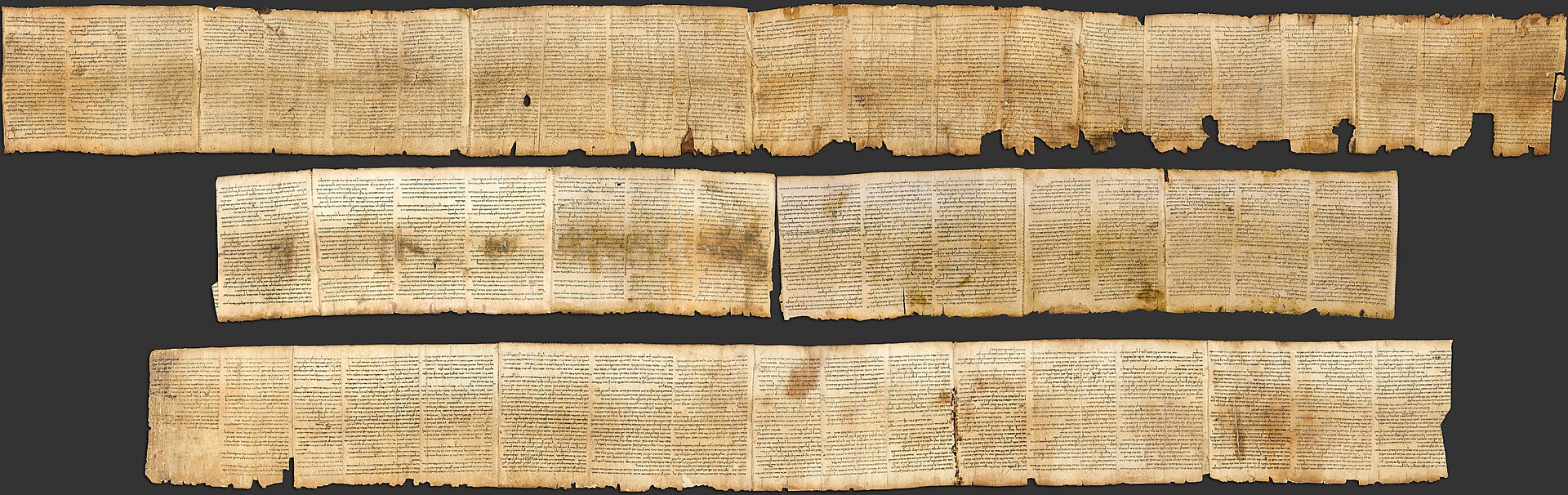
Complete Hebrew scroll of Isaiah discovered in Qumran Cave 1.
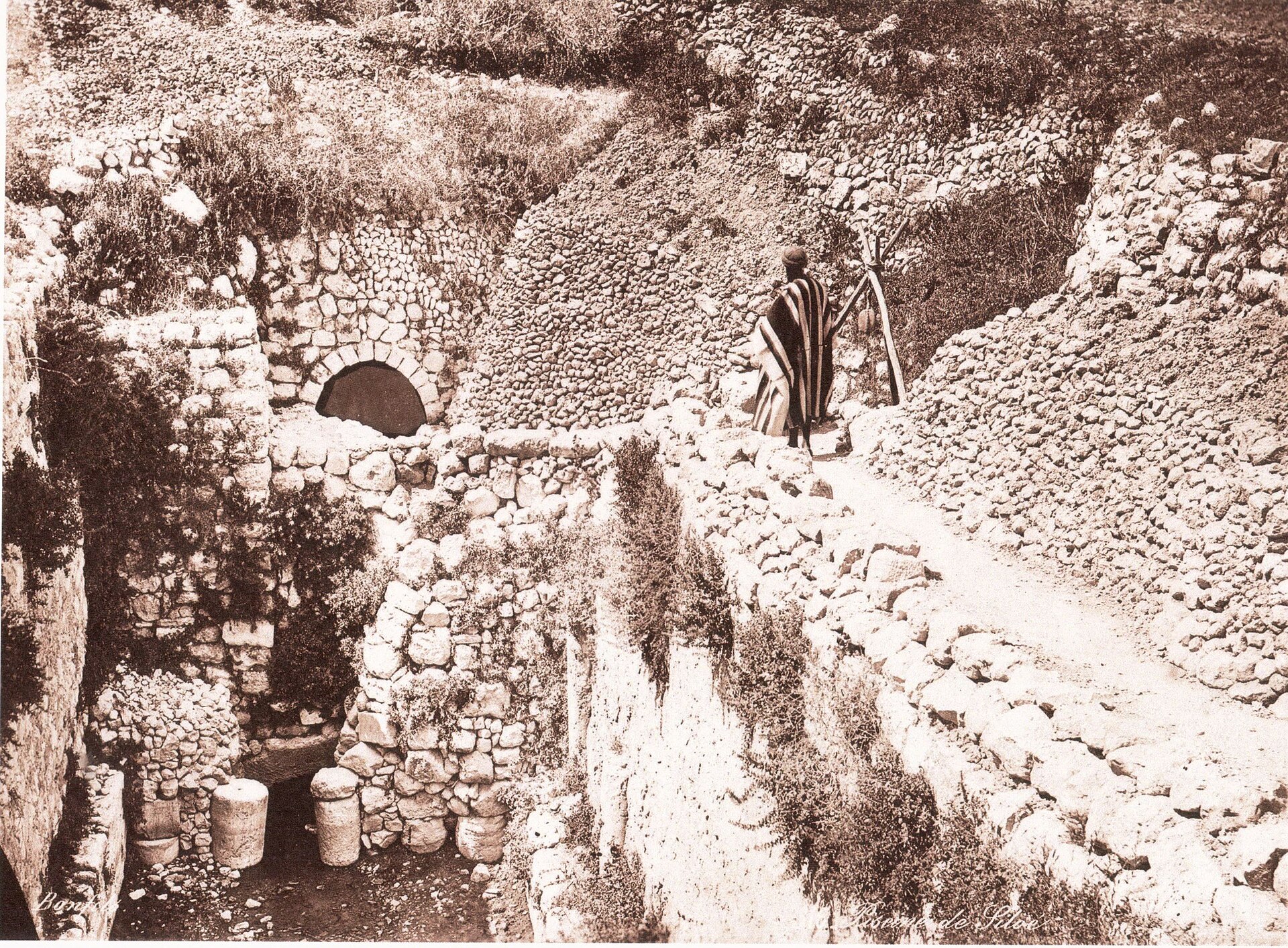
First-century stepped pool where Jesus healed the man born blind.
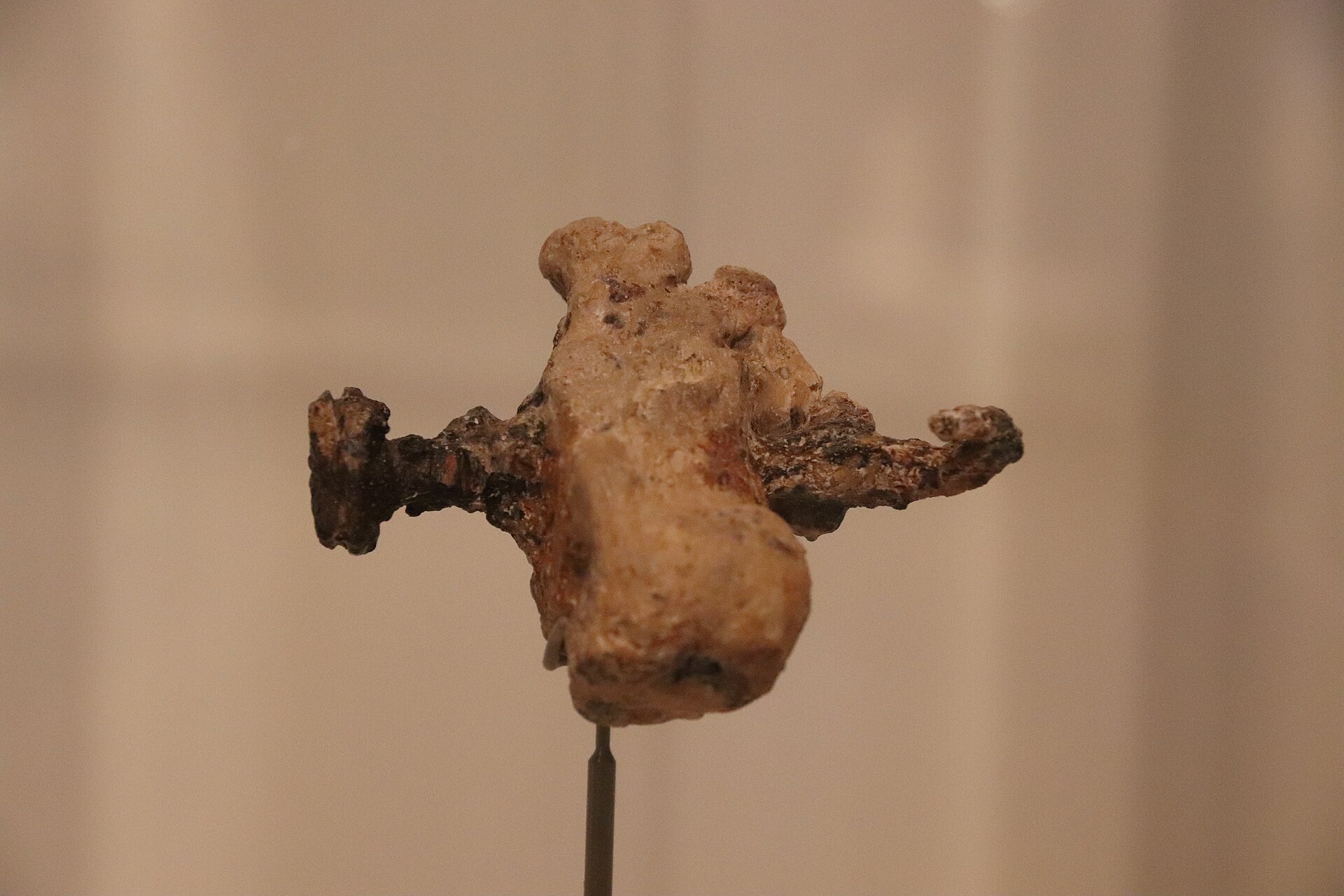
Only known physical evidence of Roman crucifixion — an iron nail through a heel bone.
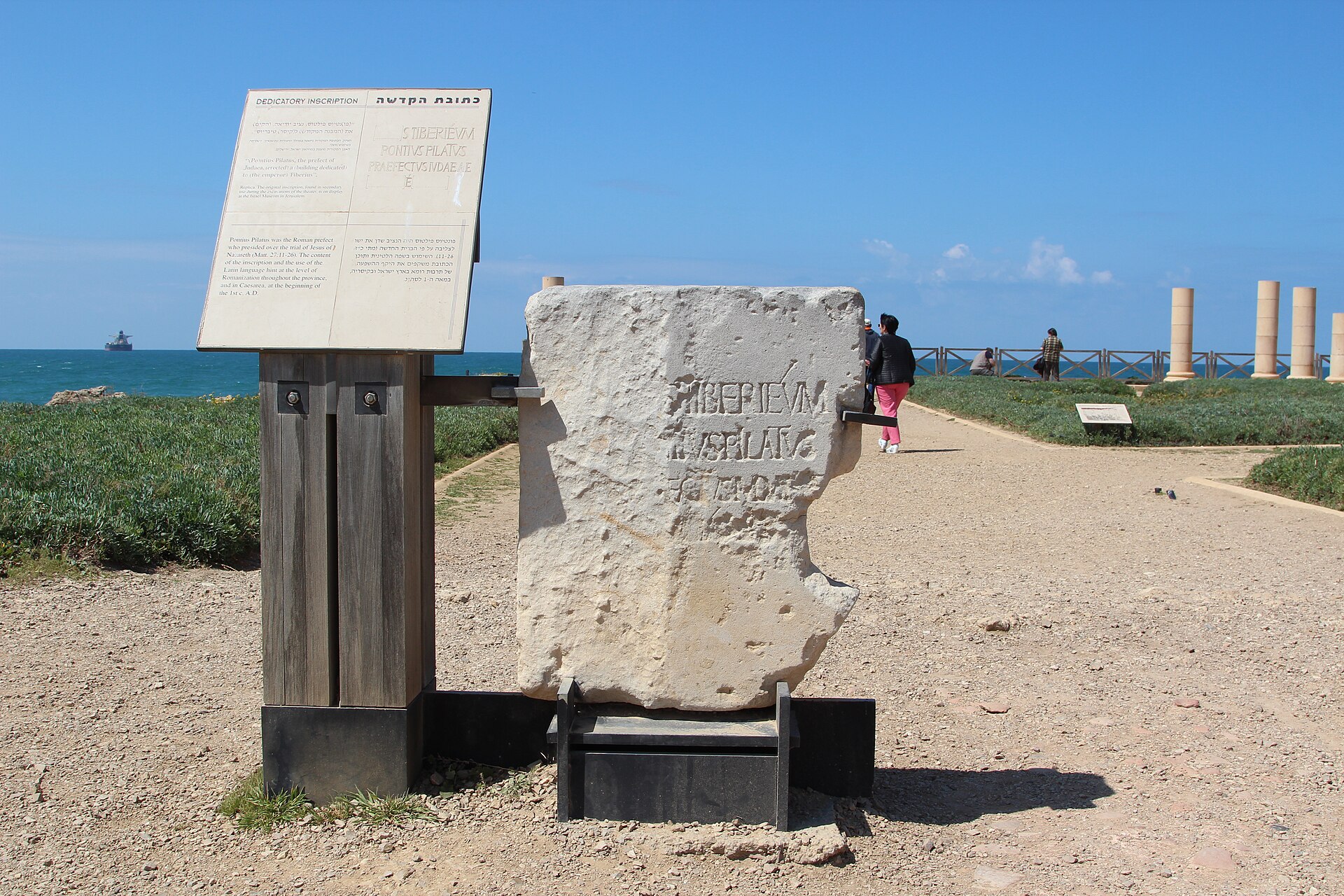
Limestone dedication naming Pontius Pilate, Prefect of Judea.
Beyond this shelf, 31 artifacts, inscriptions, and sites are catalogued — filterable by era, keyword, and the Scripture they touch.