Catalog
31 artifacts, inscriptions, and sites — each linked to the biblical passage it illuminates.
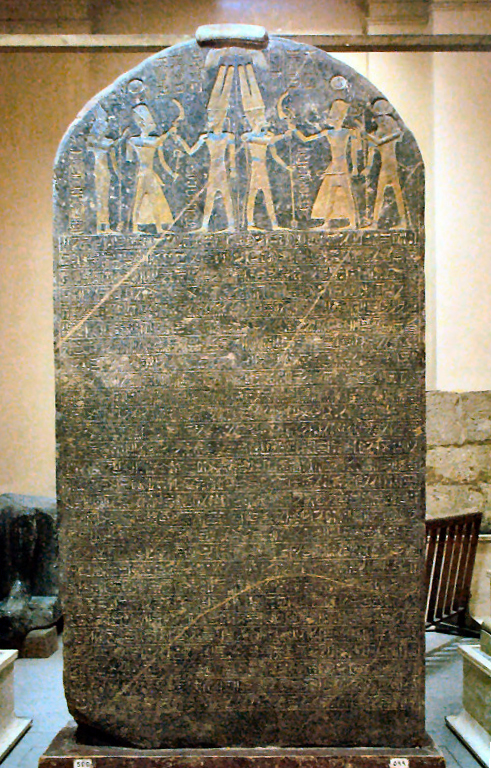
Egyptian granite stele containing the earliest known mention of "Israel".
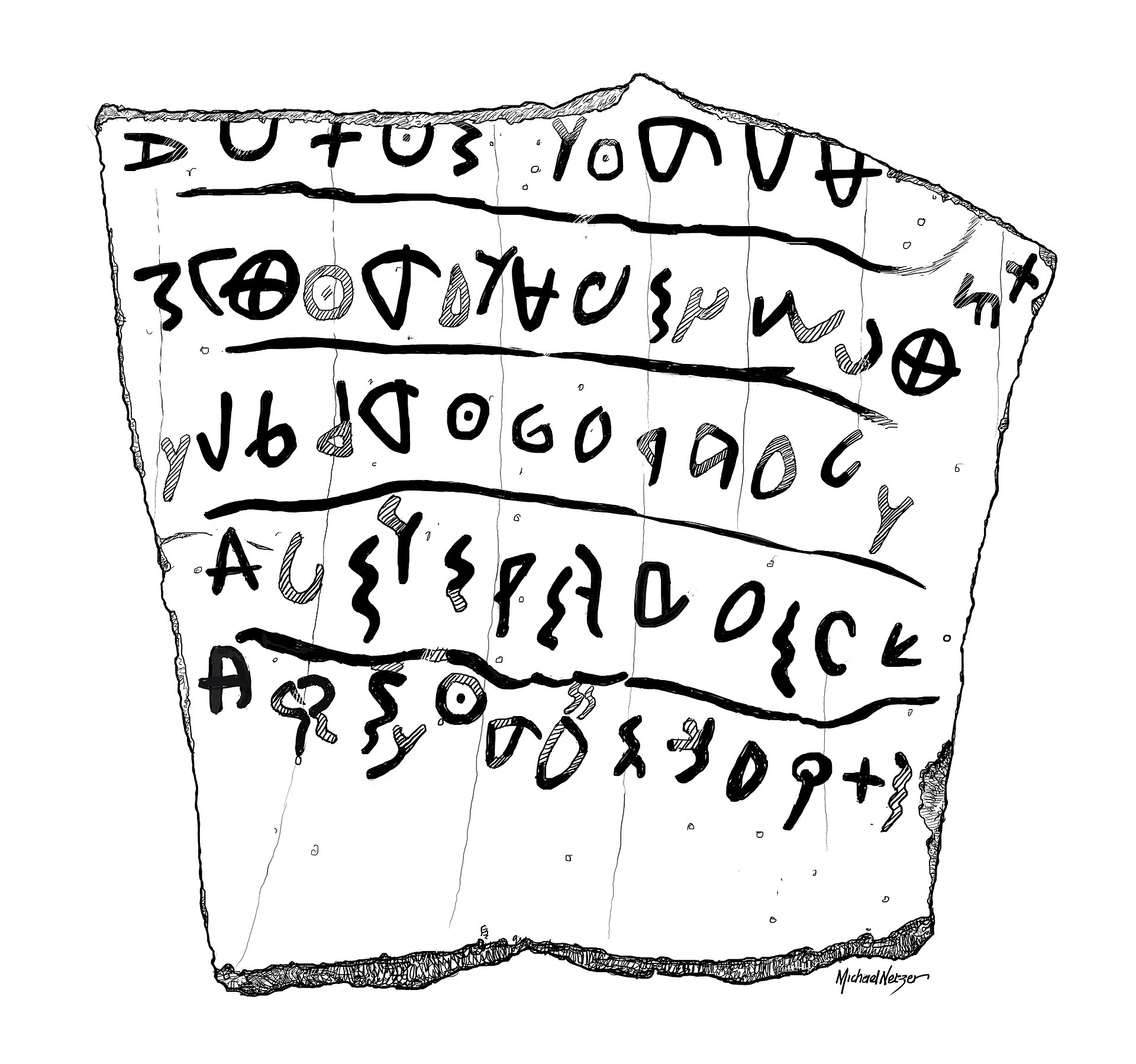
Earliest known Hebrew inscription, from a fortified Judahite city on the Elah Valley border.
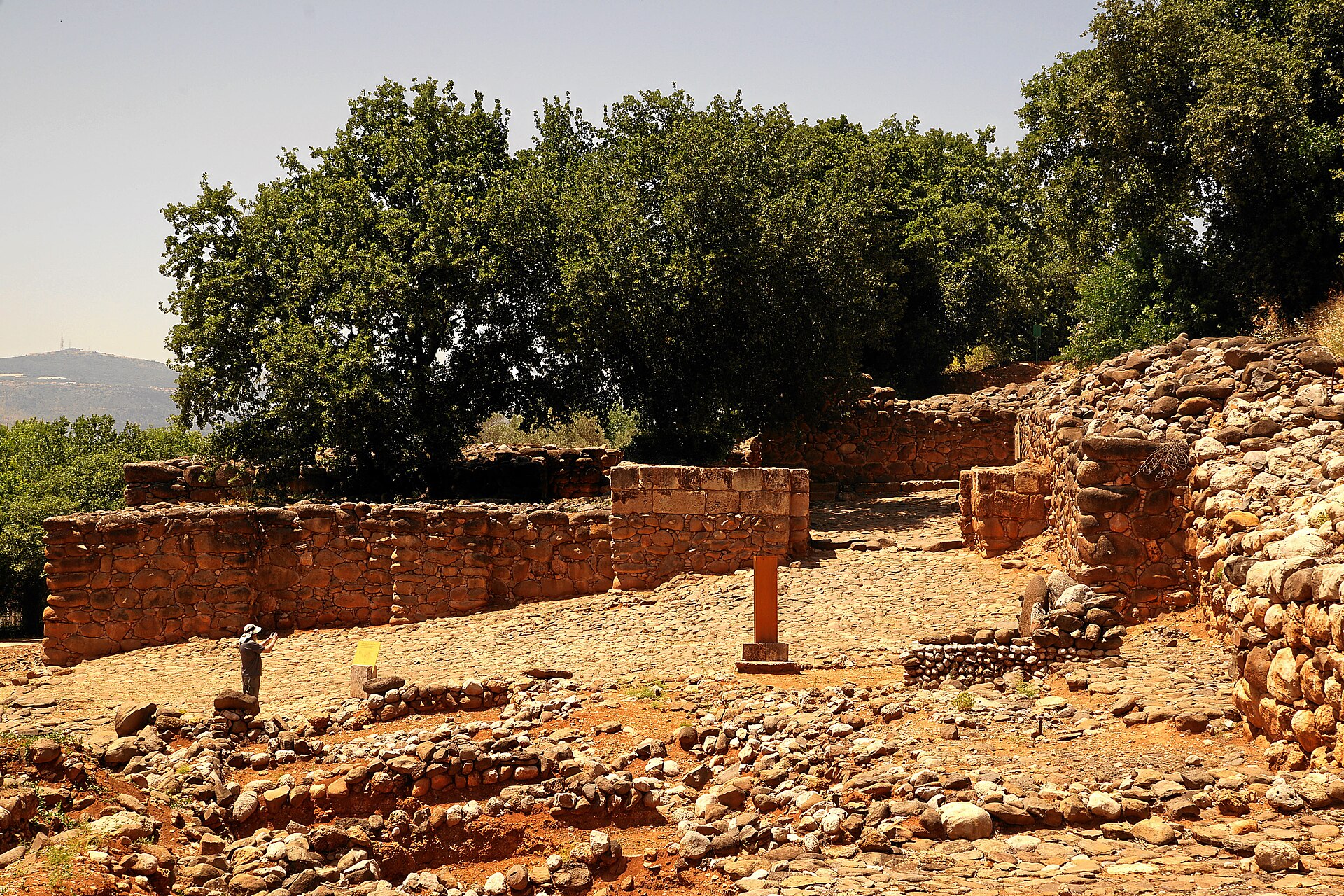
Massive Iron Age city gate complex at ancient Dan.
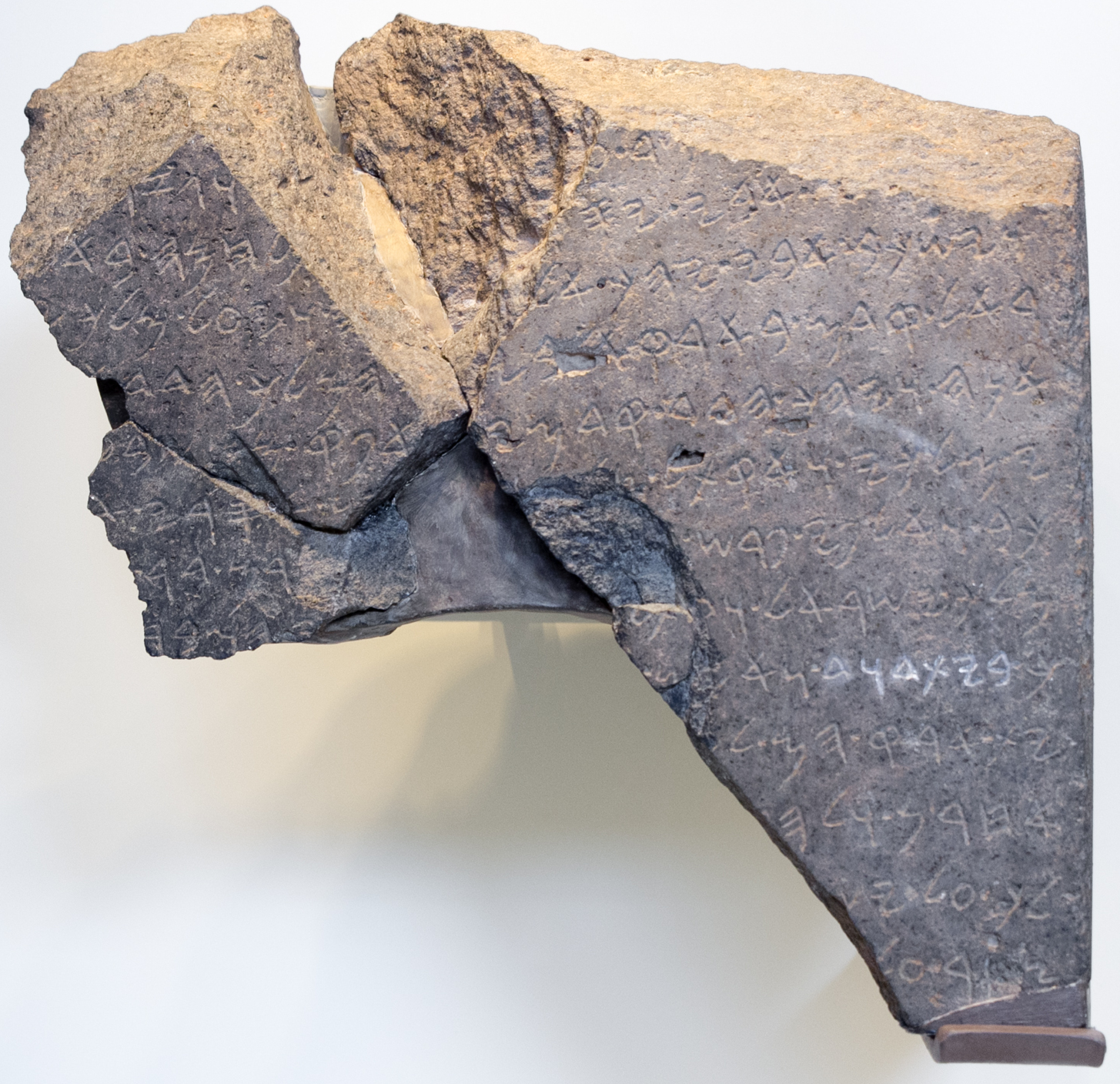
Aramaic victory stele containing the earliest extra-biblical reference to the House of David.
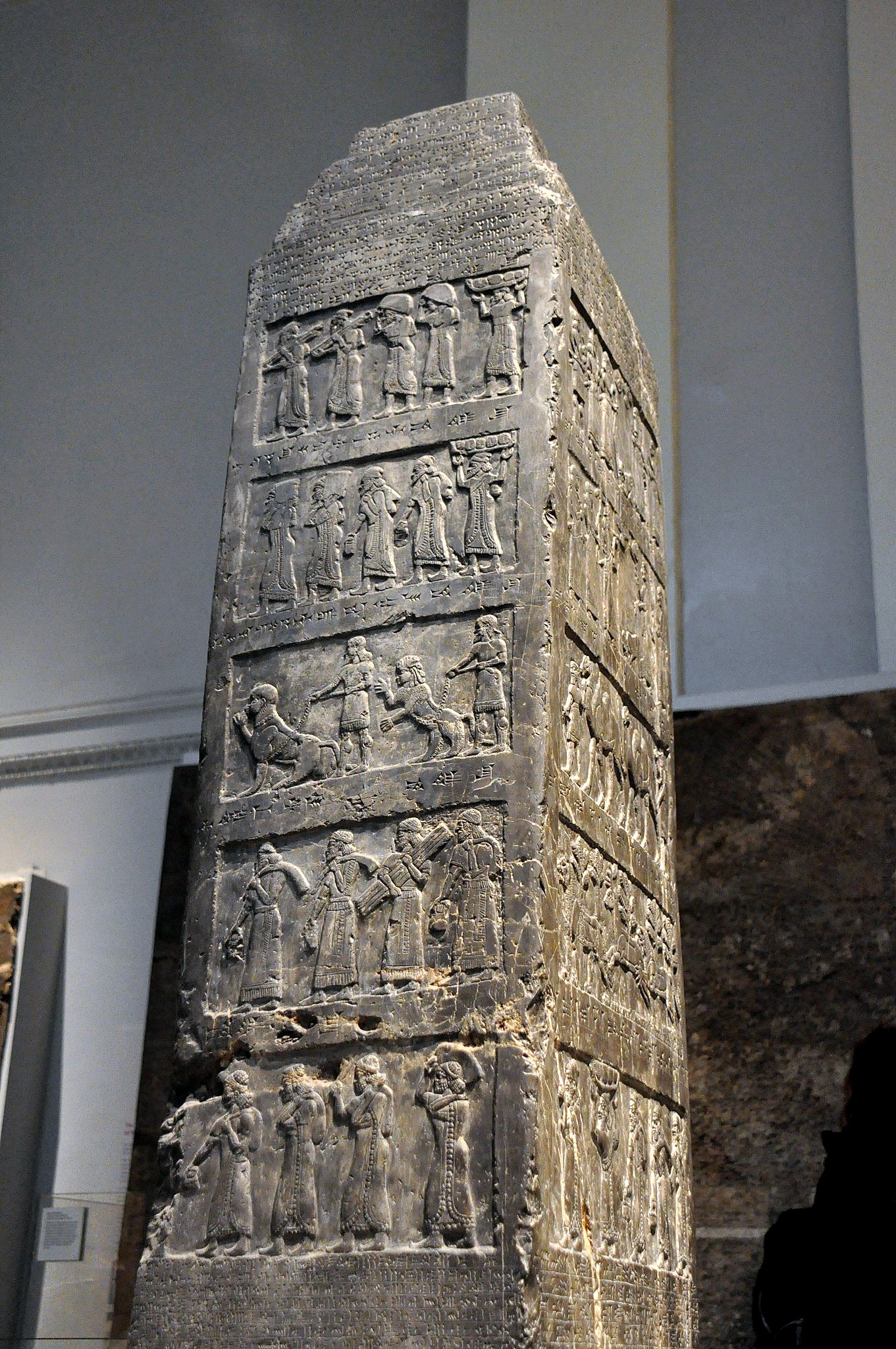
Assyrian monument depicting Jehu, king of Israel, bowing before the Assyrian king.
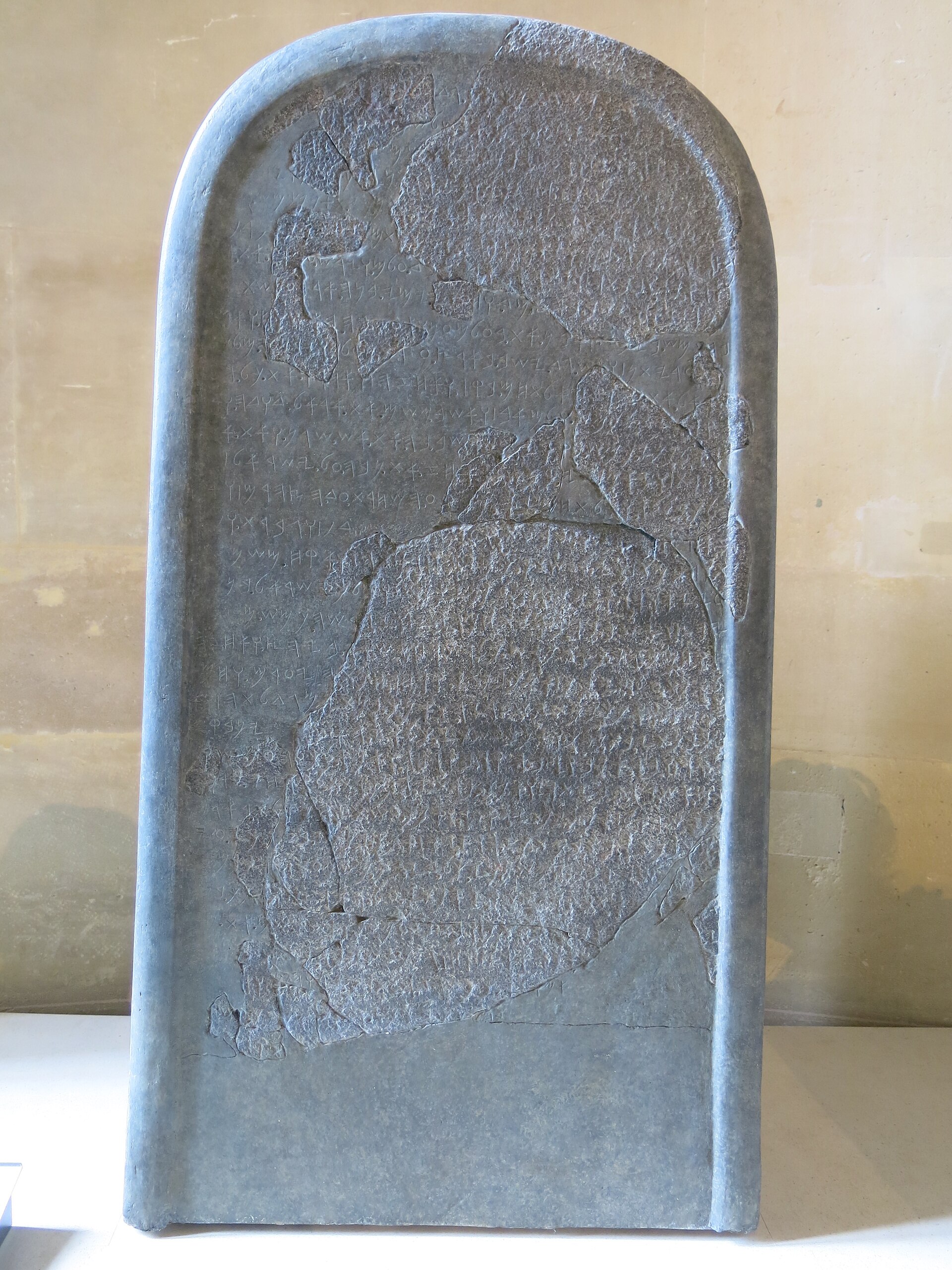
Basalt monument on which Mesha, king of Moab, recounts his revolt against Israel.
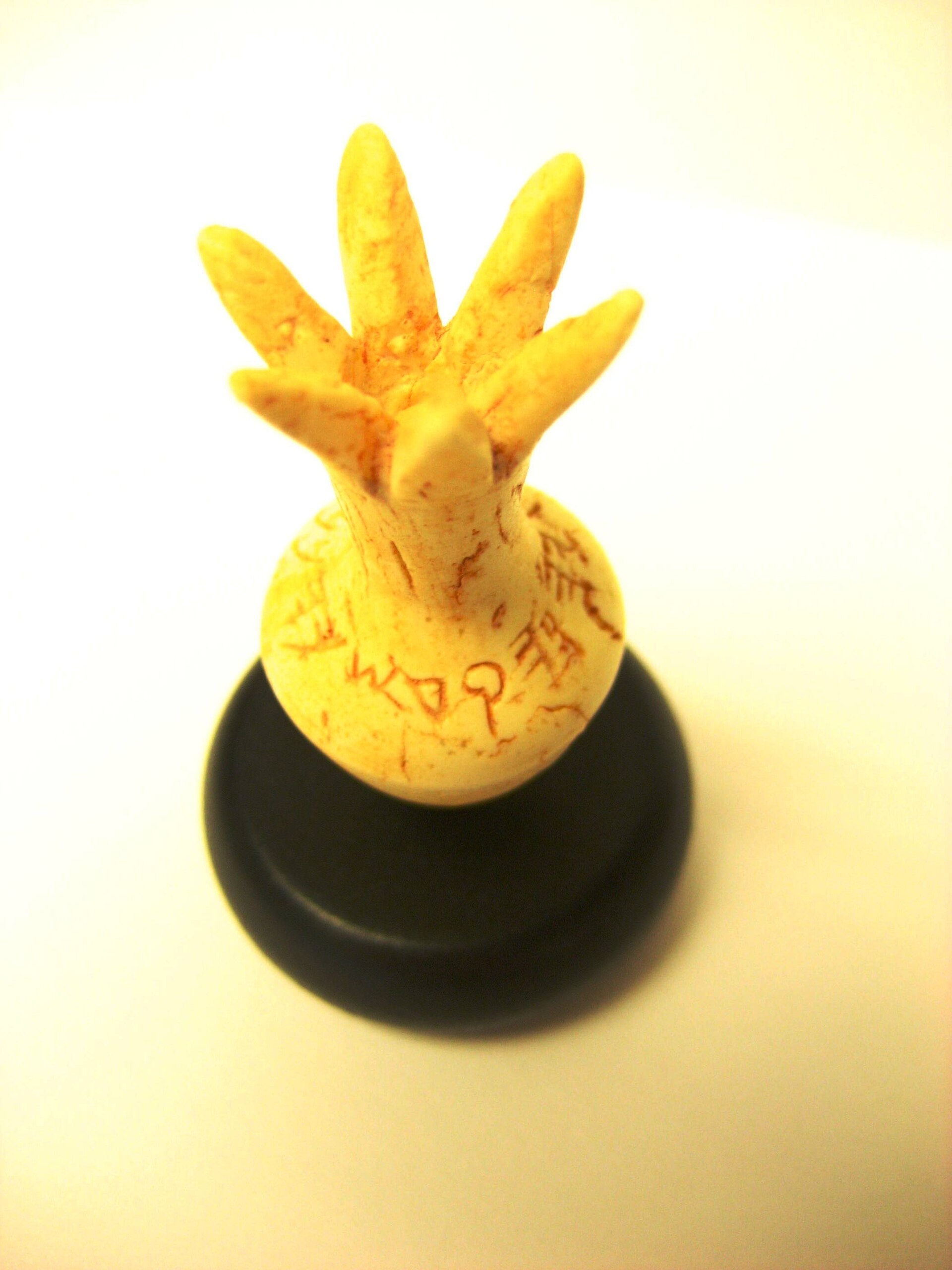
Thumb-sized ivory pomegranate once thought to come from Solomon's Temple.
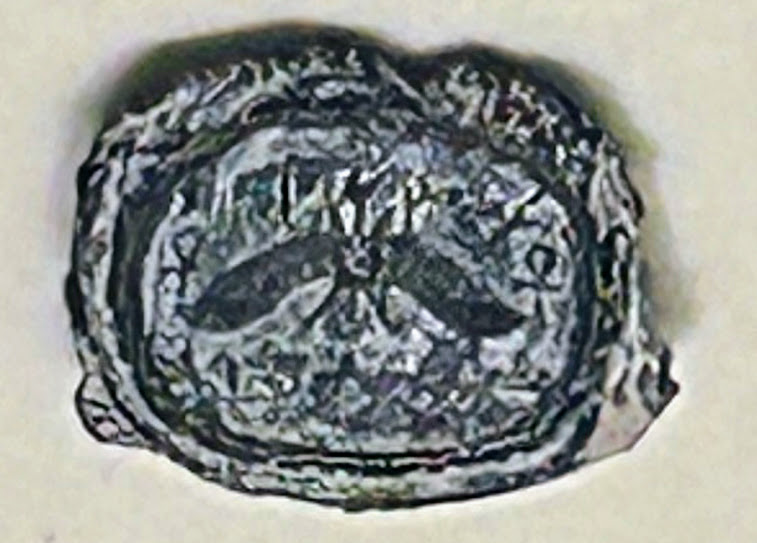
Clay seal impression bearing the name of King Hezekiah of Judah.
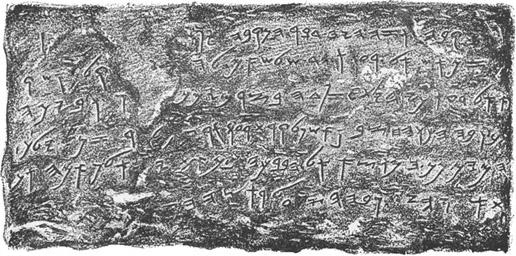
Hebrew inscription commemorating the completion of Hezekiah's Tunnel.
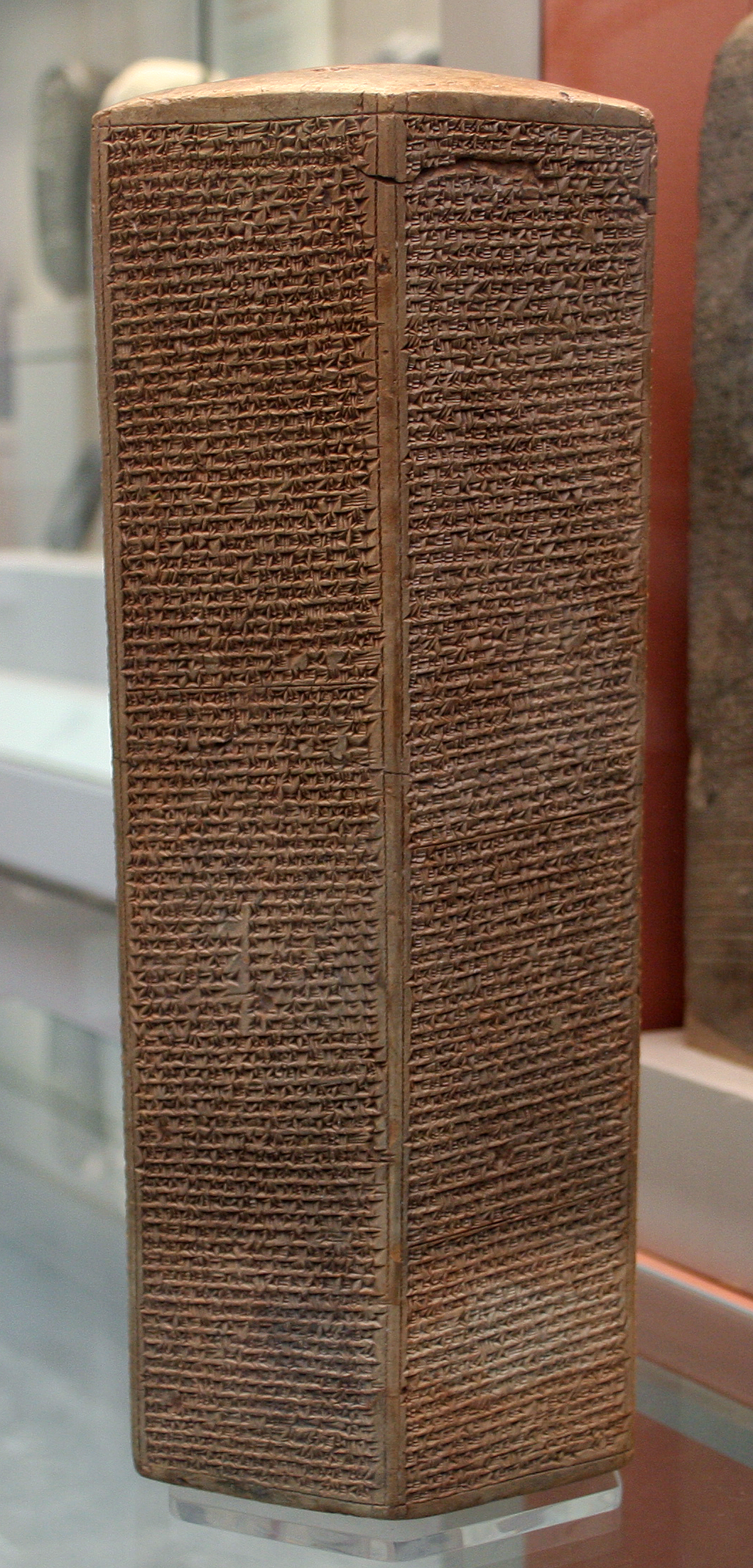
Six-sided baked clay prism recording Sennacherib's siege of Jerusalem.
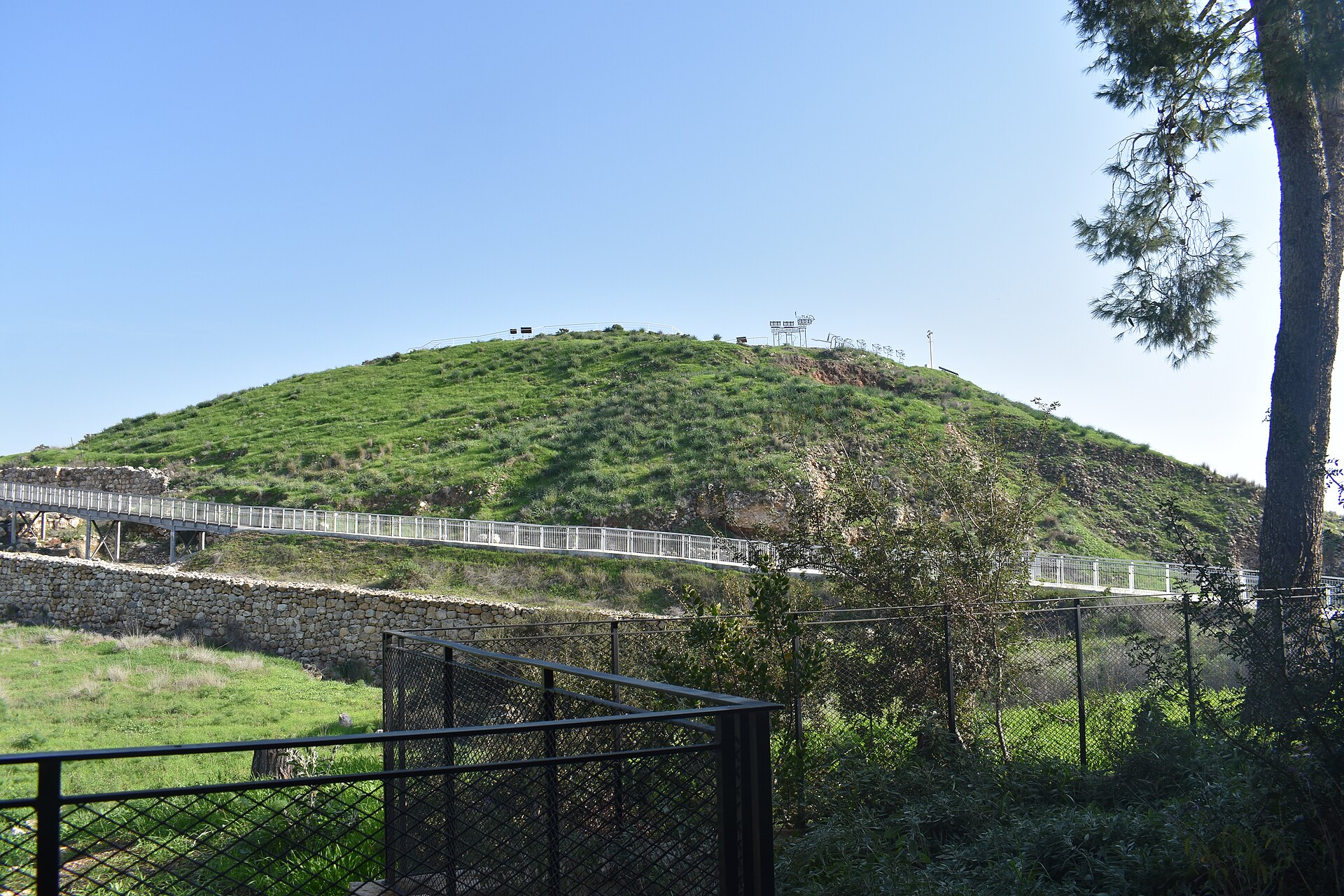
Massive earthen assault ramp still visible at Tel Lachish.
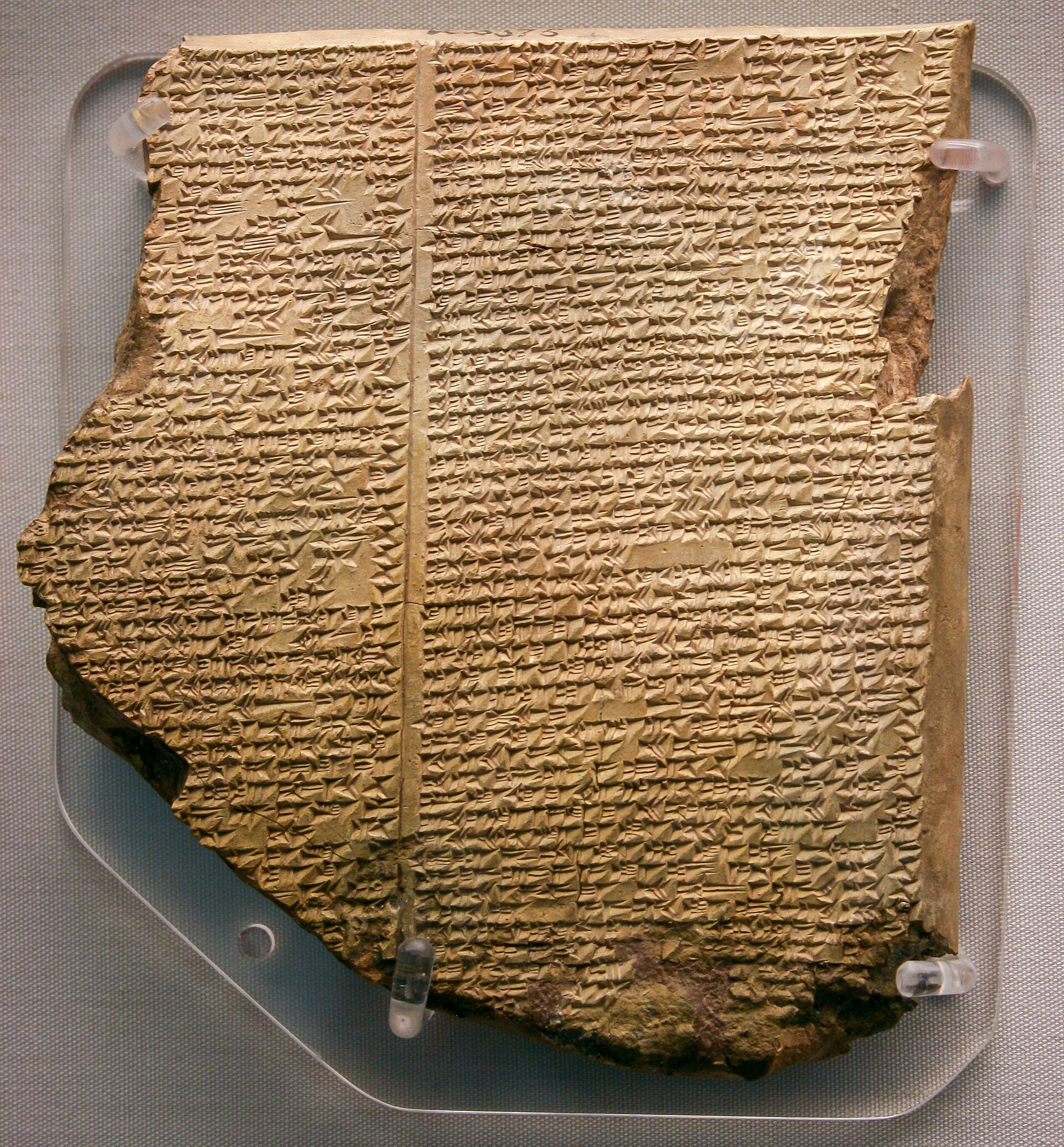
Cuneiform tablet containing a Mesopotamian flood account.
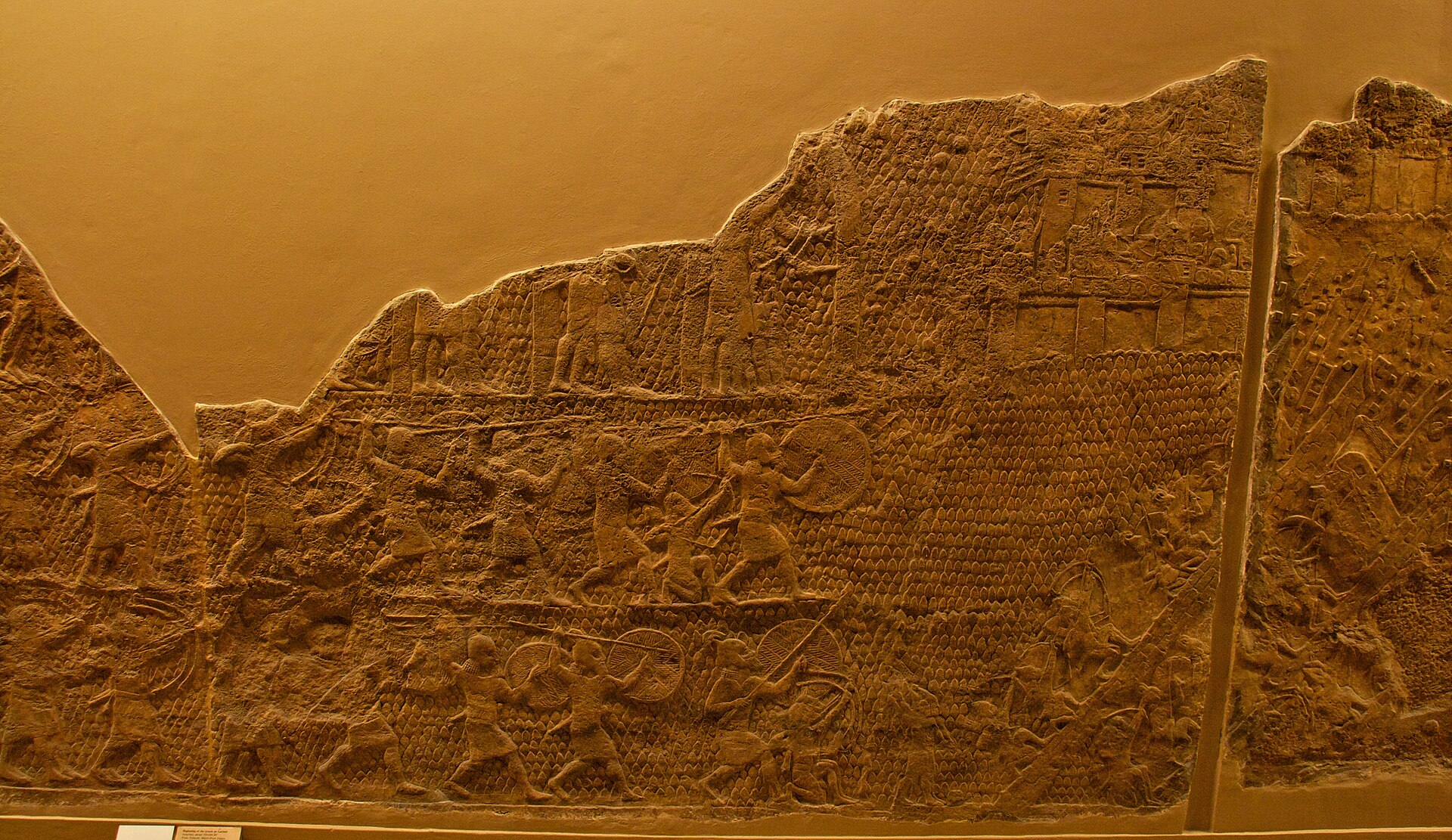
Assyrian palace reliefs depicting Sennacherib's conquest of the Judean city of Lachish.
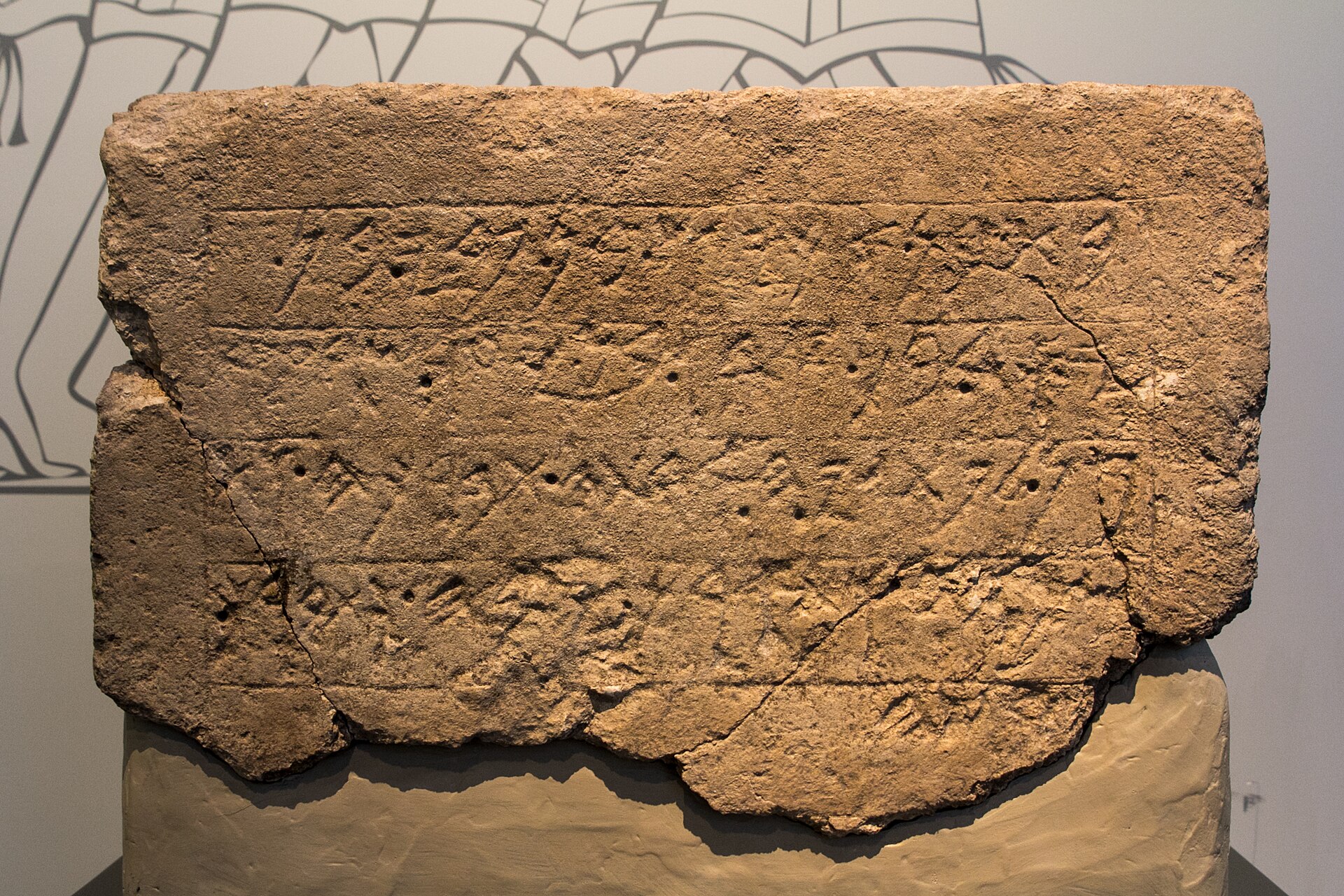
Limestone dedication naming the Philistine city of Ekron and its rulers.
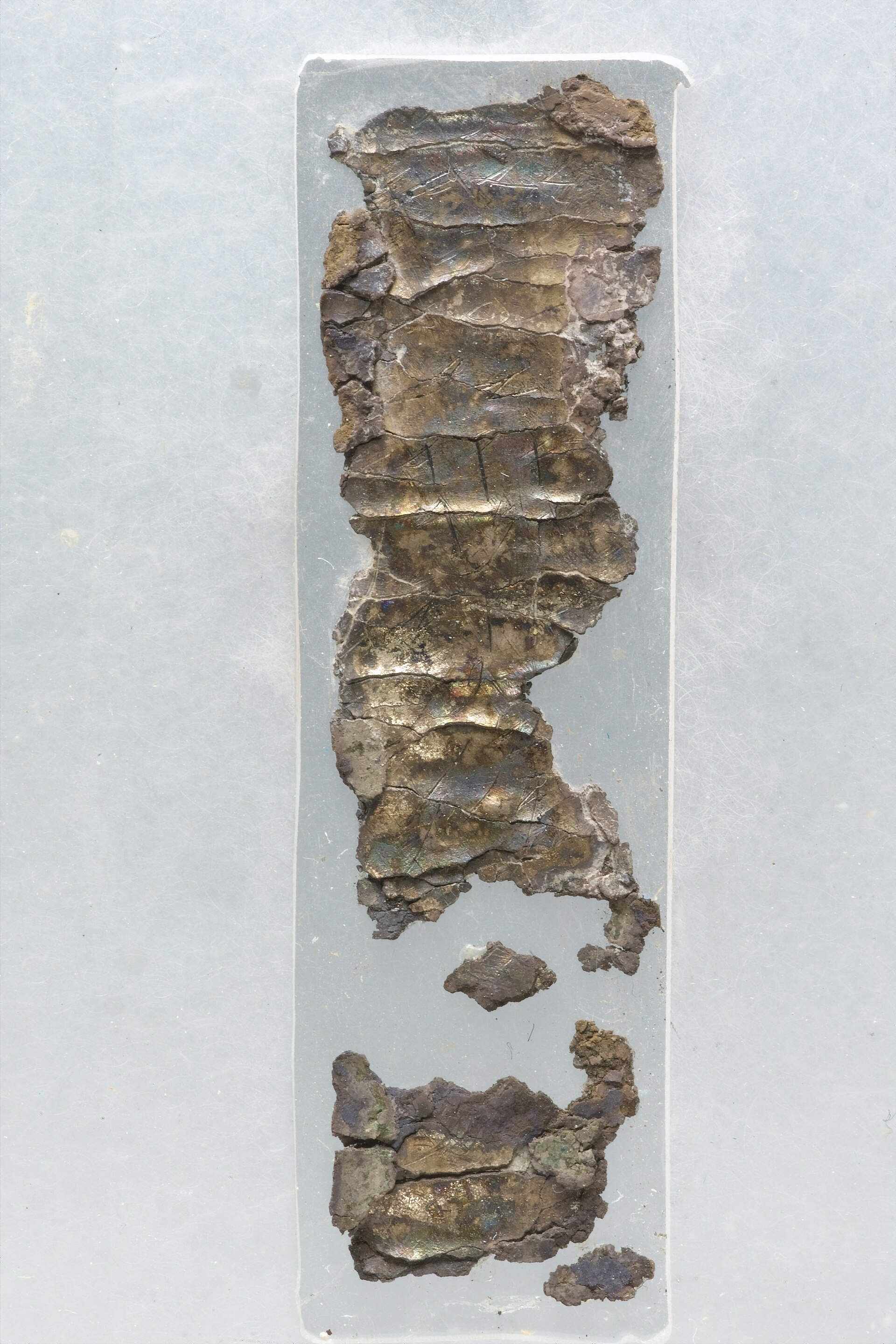
Two tiny silver amulets bearing the priestly blessing — the oldest biblical text ever found.
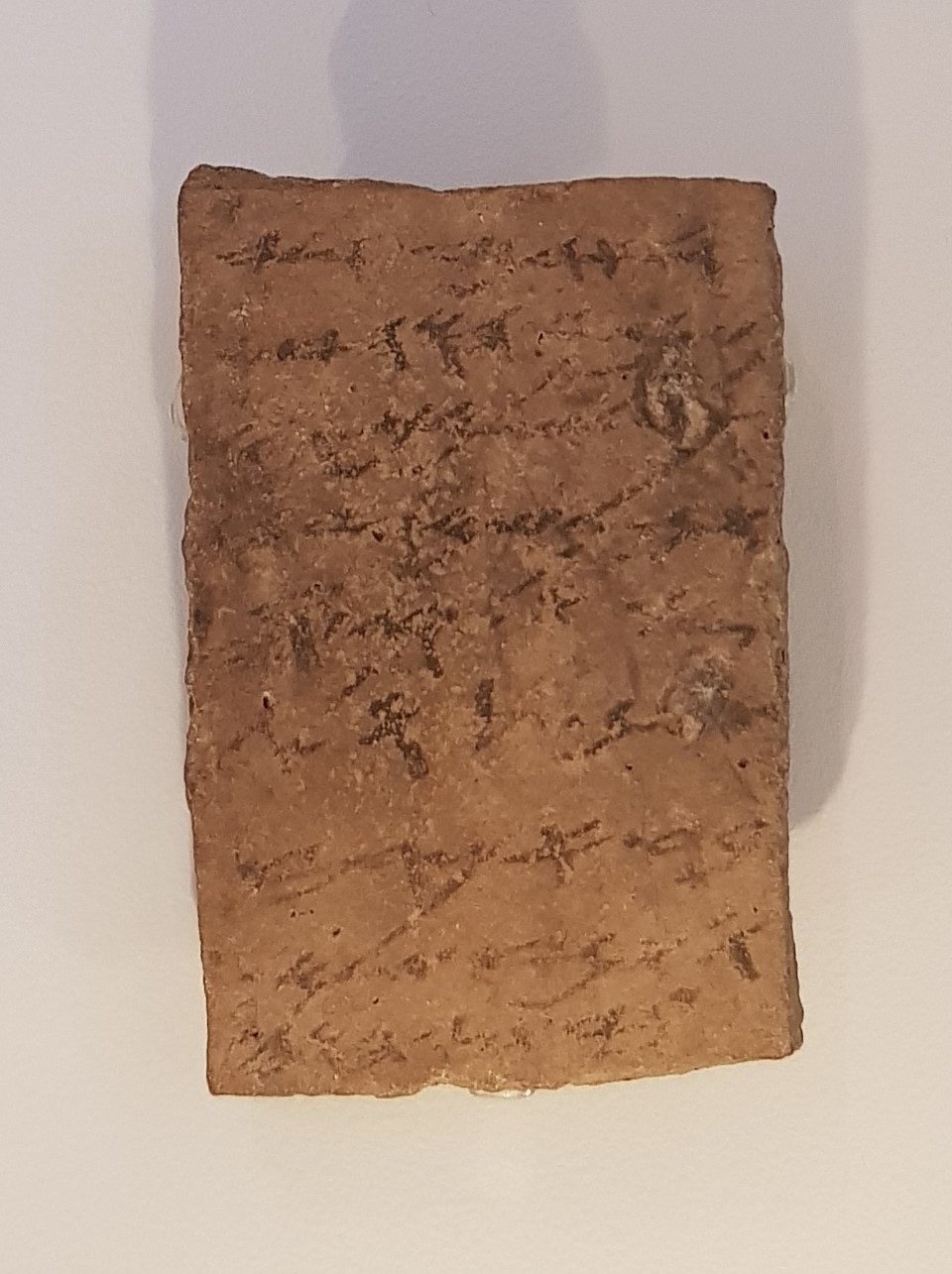
Ink-inscribed potsherd mentioning "the House of YHWH".
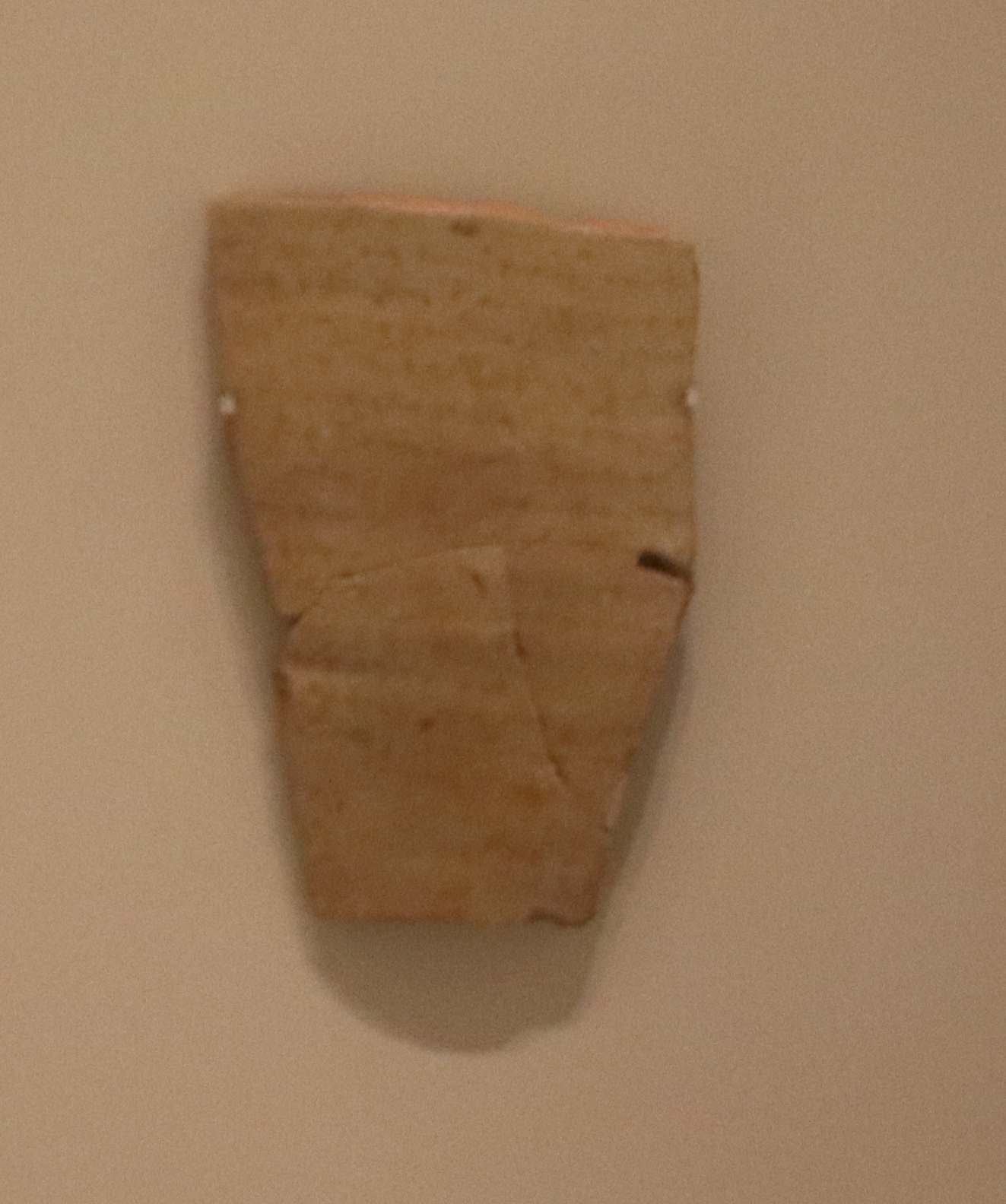
Hebrew ostraca sent to the commander of Lachish just before its fall to Babylon.
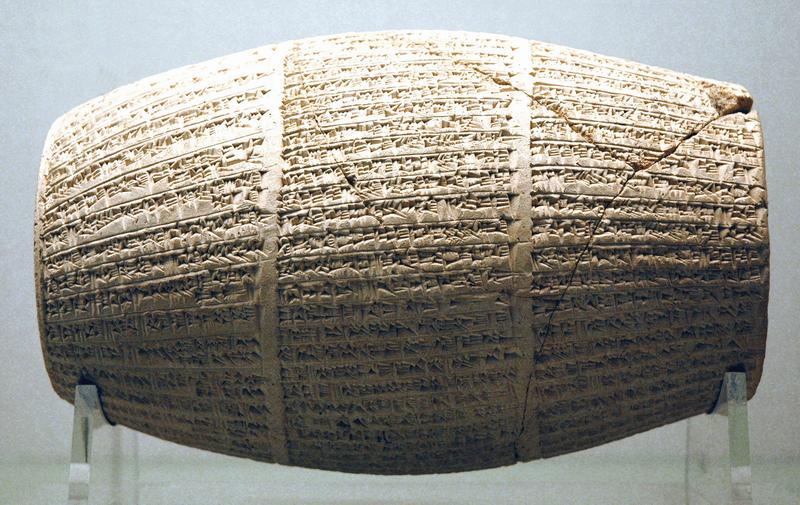
Cuneiform cylinder mentioning Belshazzar, son of Nabonidus.
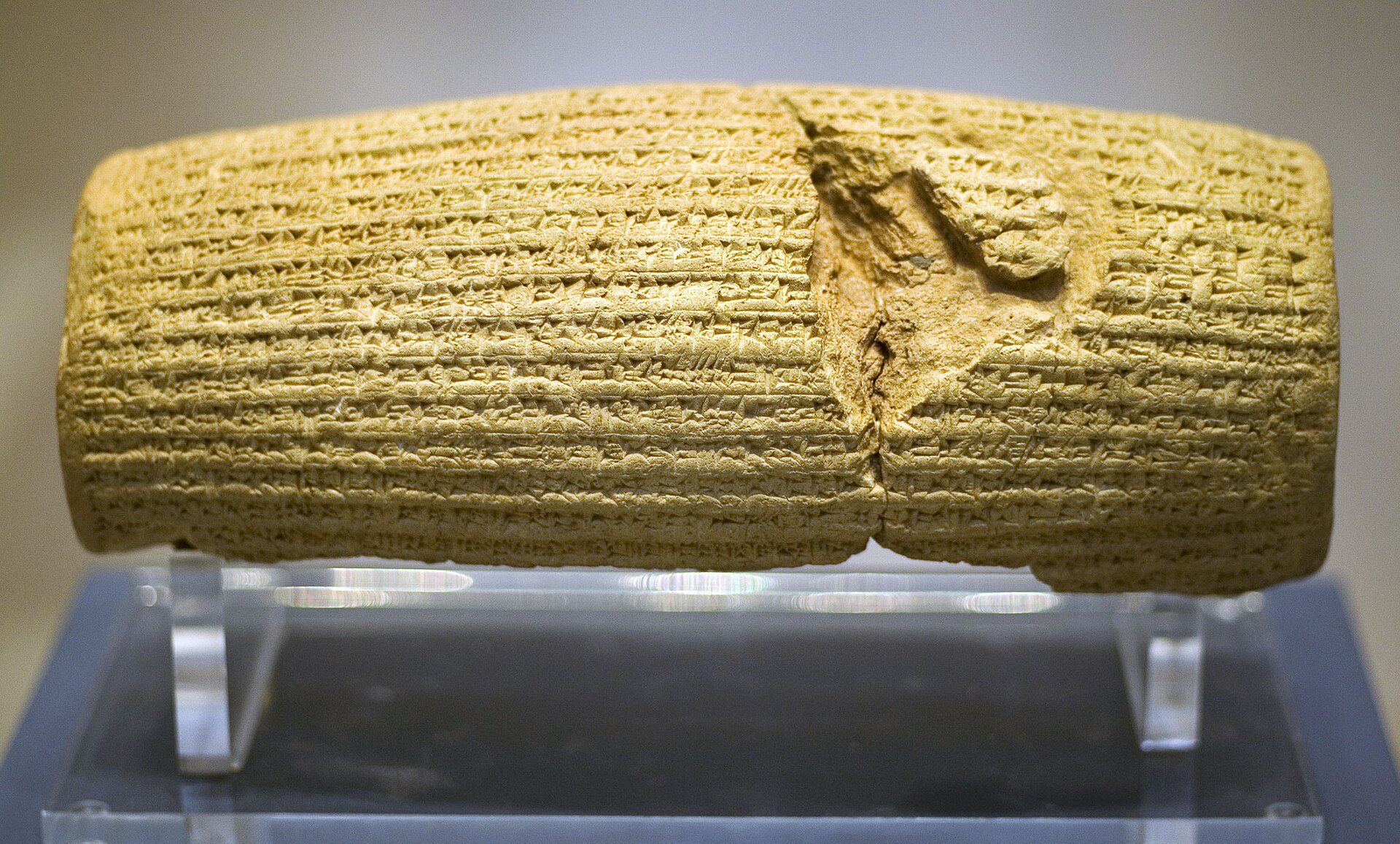
Clay cylinder recording Cyrus the Great's policy of returning exiled peoples to their homelands.
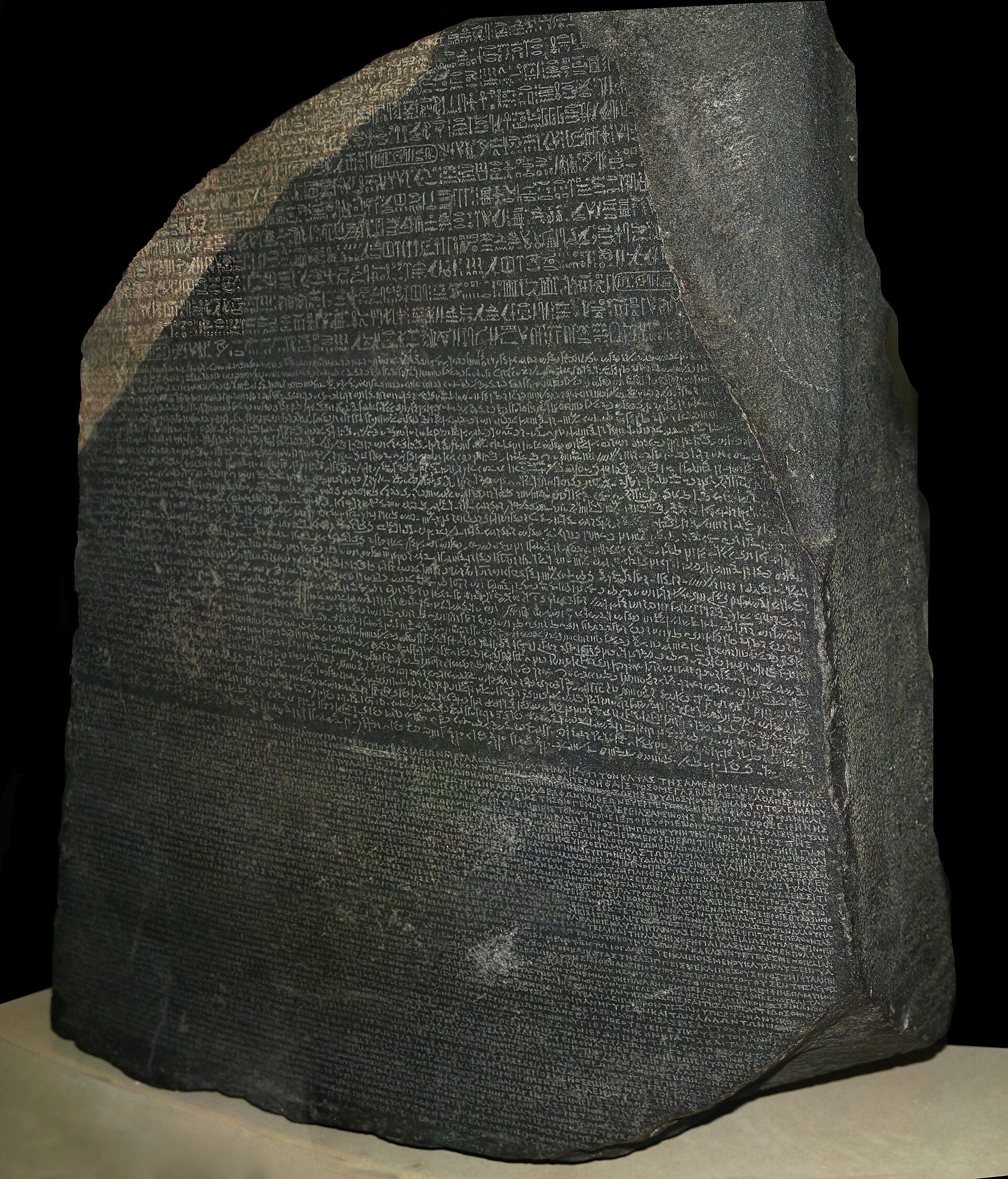
The granodiorite stele whose trilingual decree unlocked Egyptian hieroglyphs — the key that opened the entire world of ancient Near Eastern texts to modern scholarship.
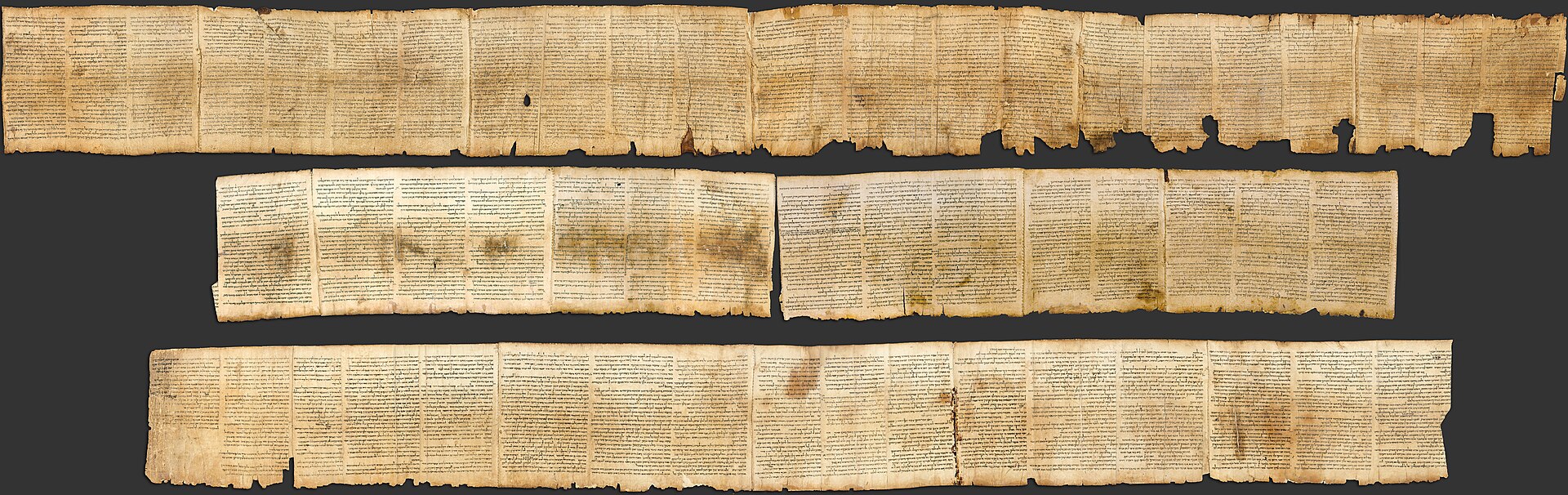
Complete Hebrew scroll of Isaiah discovered in Qumran Cave 1.
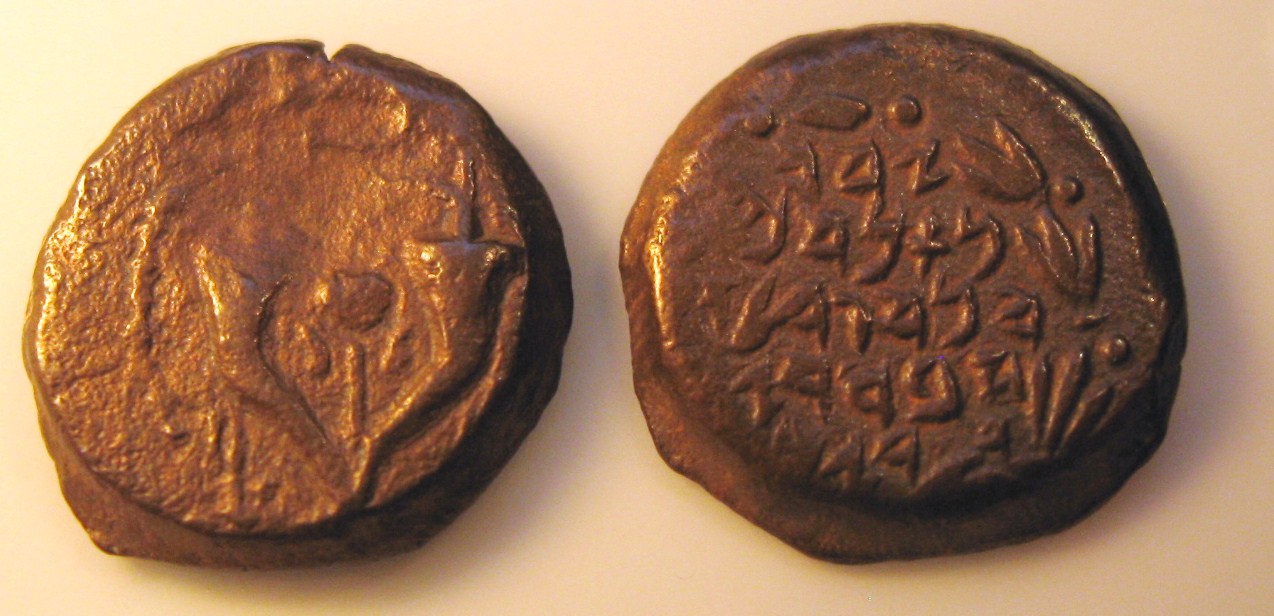
Tiny bronze coin representing the two mites of the poor widow.
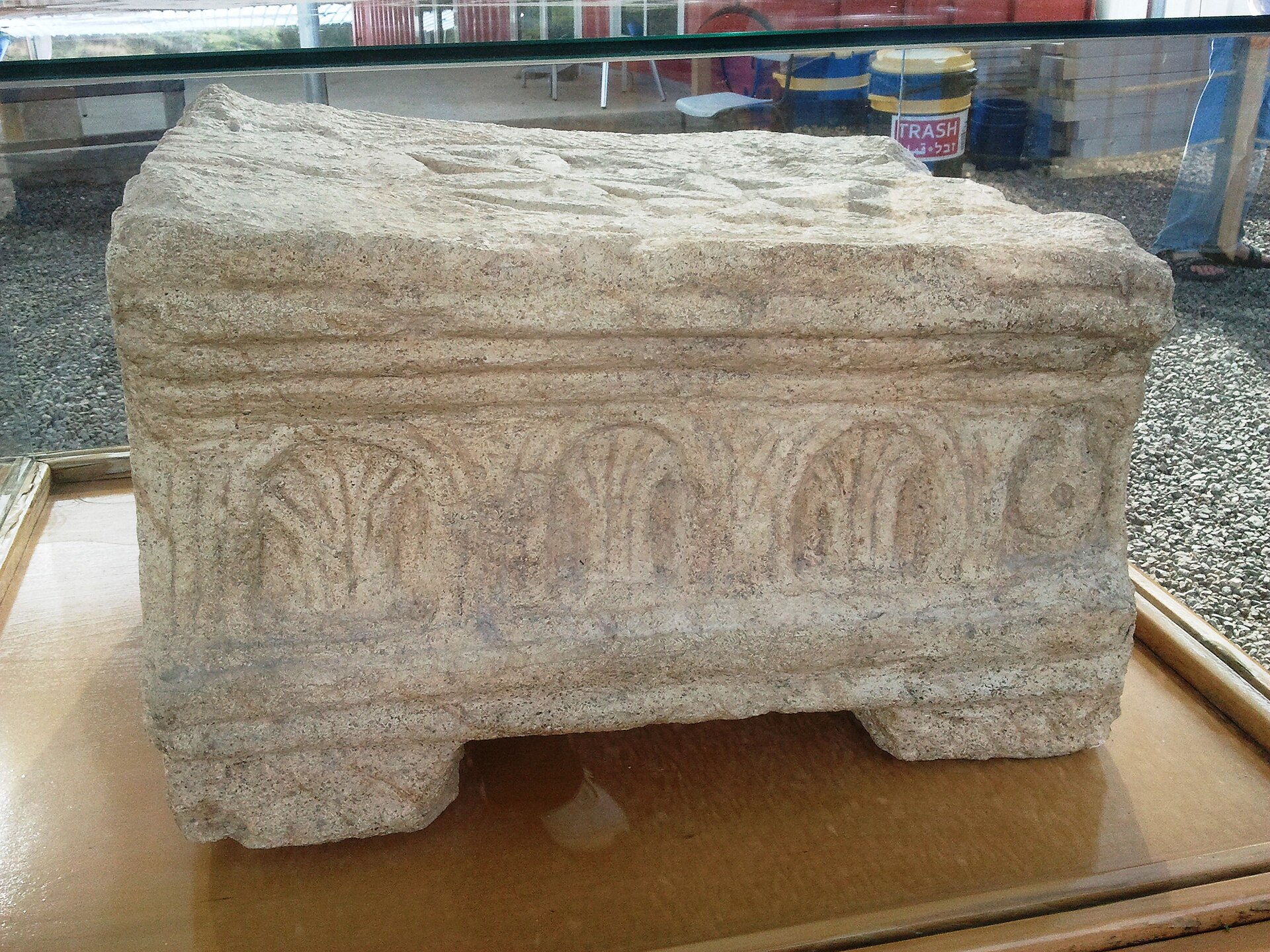
Carved limestone block from a 1st-century synagogue at Magdala.
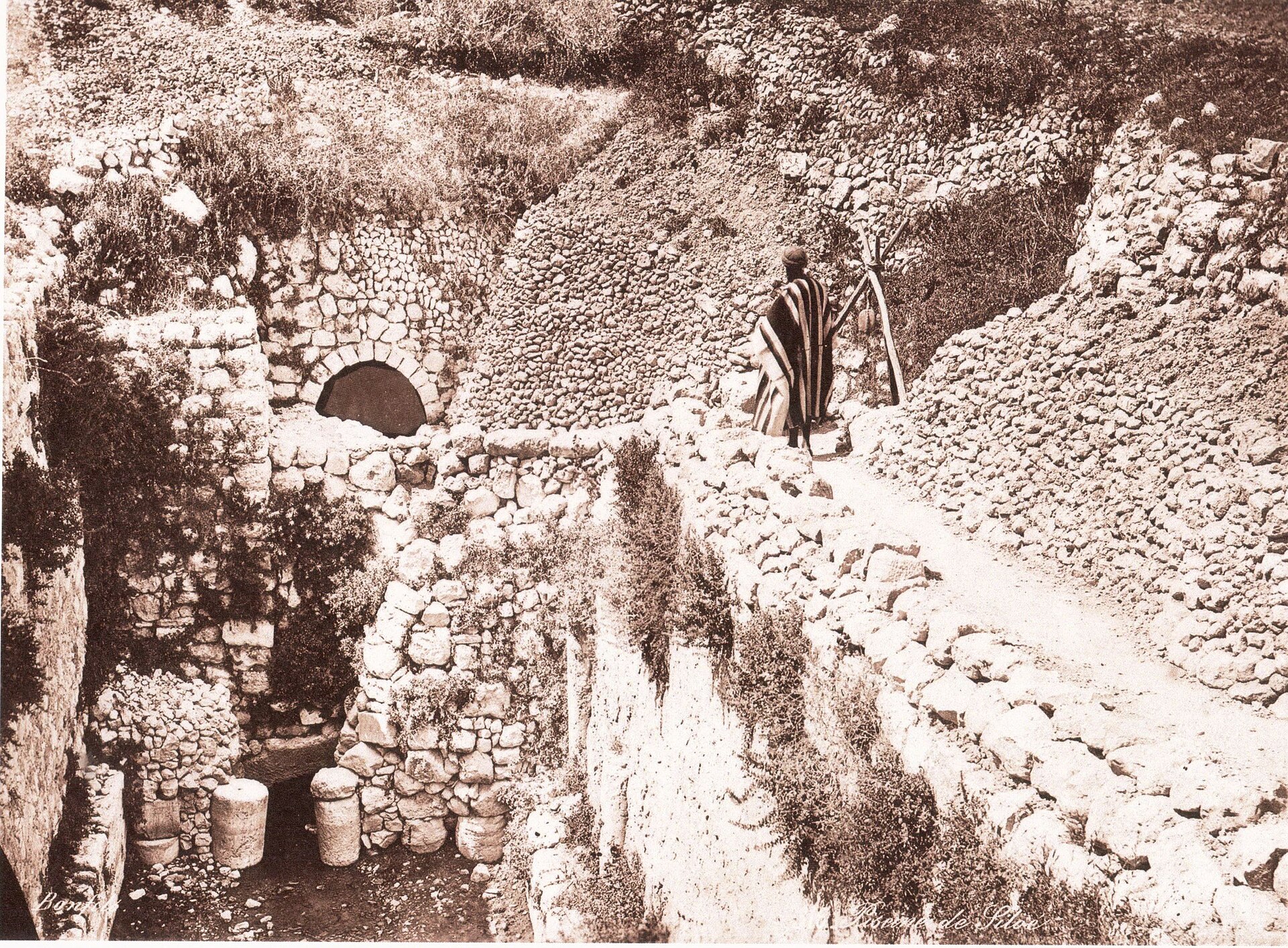
First-century stepped pool where Jesus healed the man born blind.
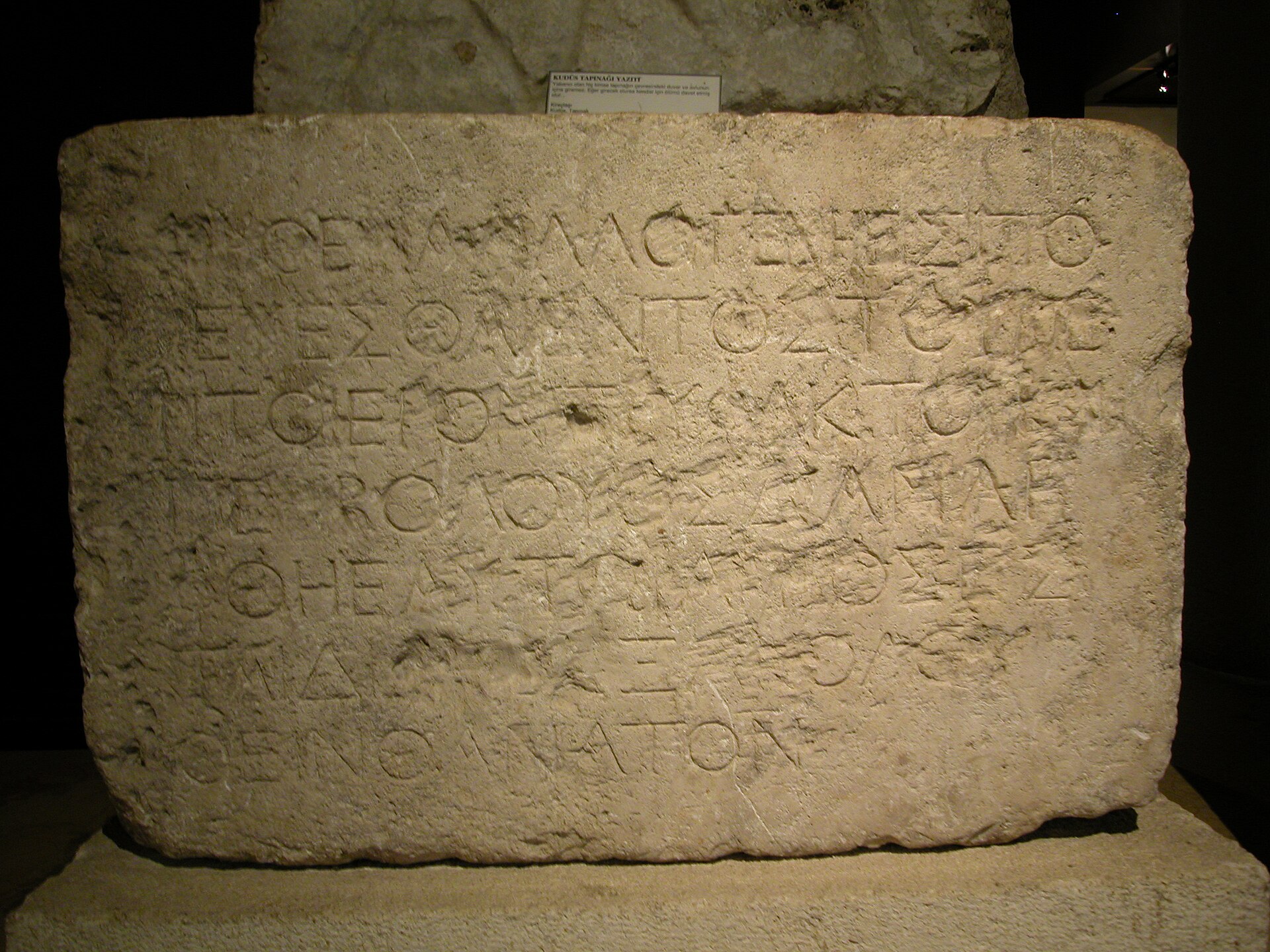
Greek inscription warning Gentiles not to enter the inner Temple courts.
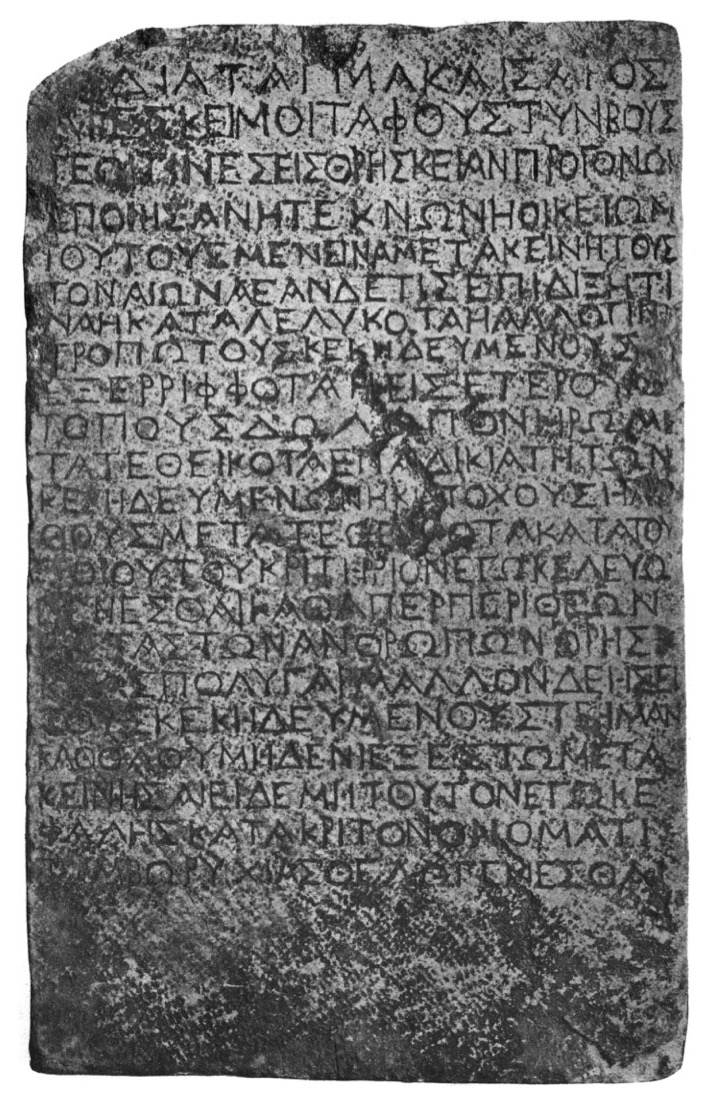
Imperial Greek edict against tomb-robbing, possibly from the mid-1st century CE.
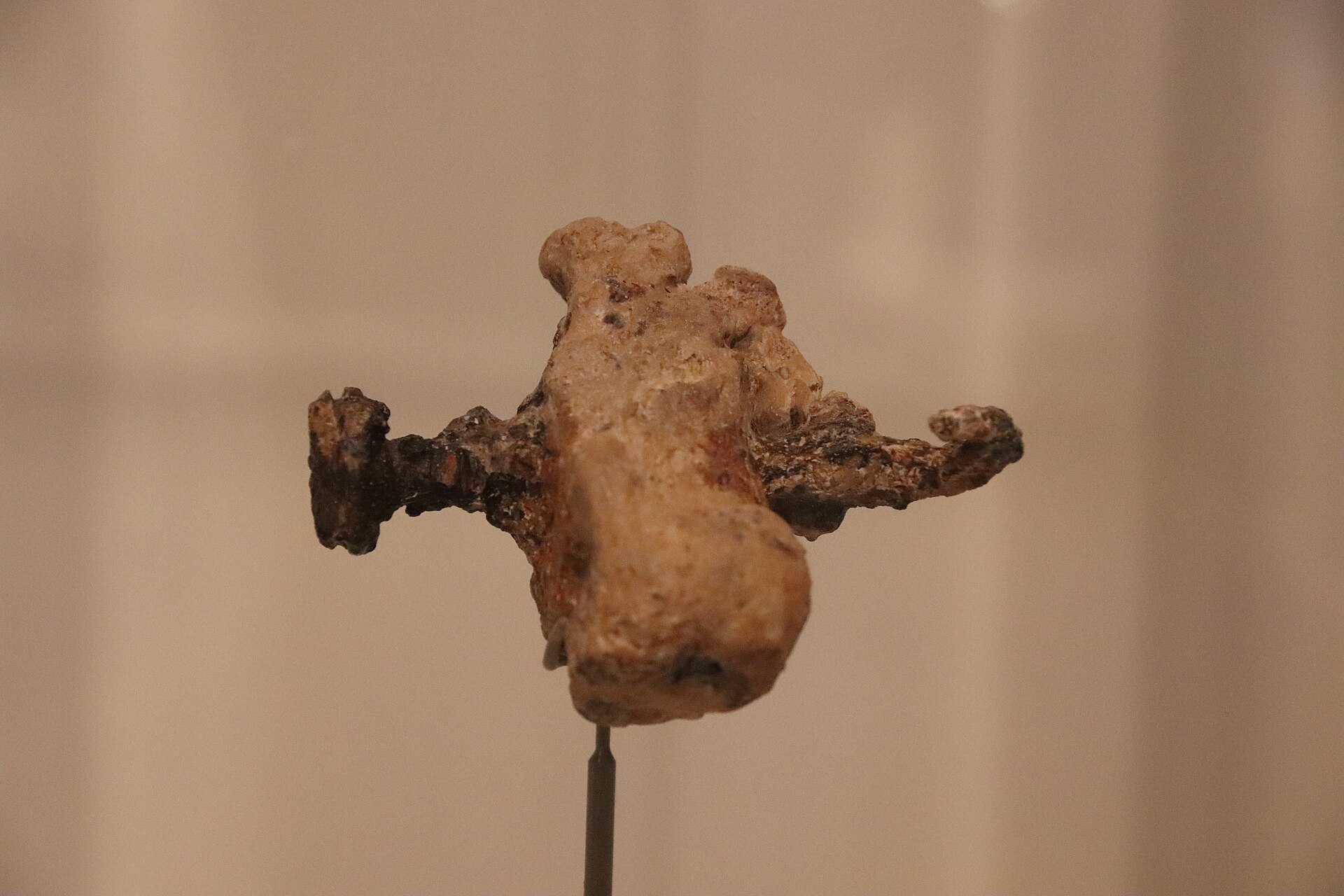
Only known physical evidence of Roman crucifixion — an iron nail through a heel bone.
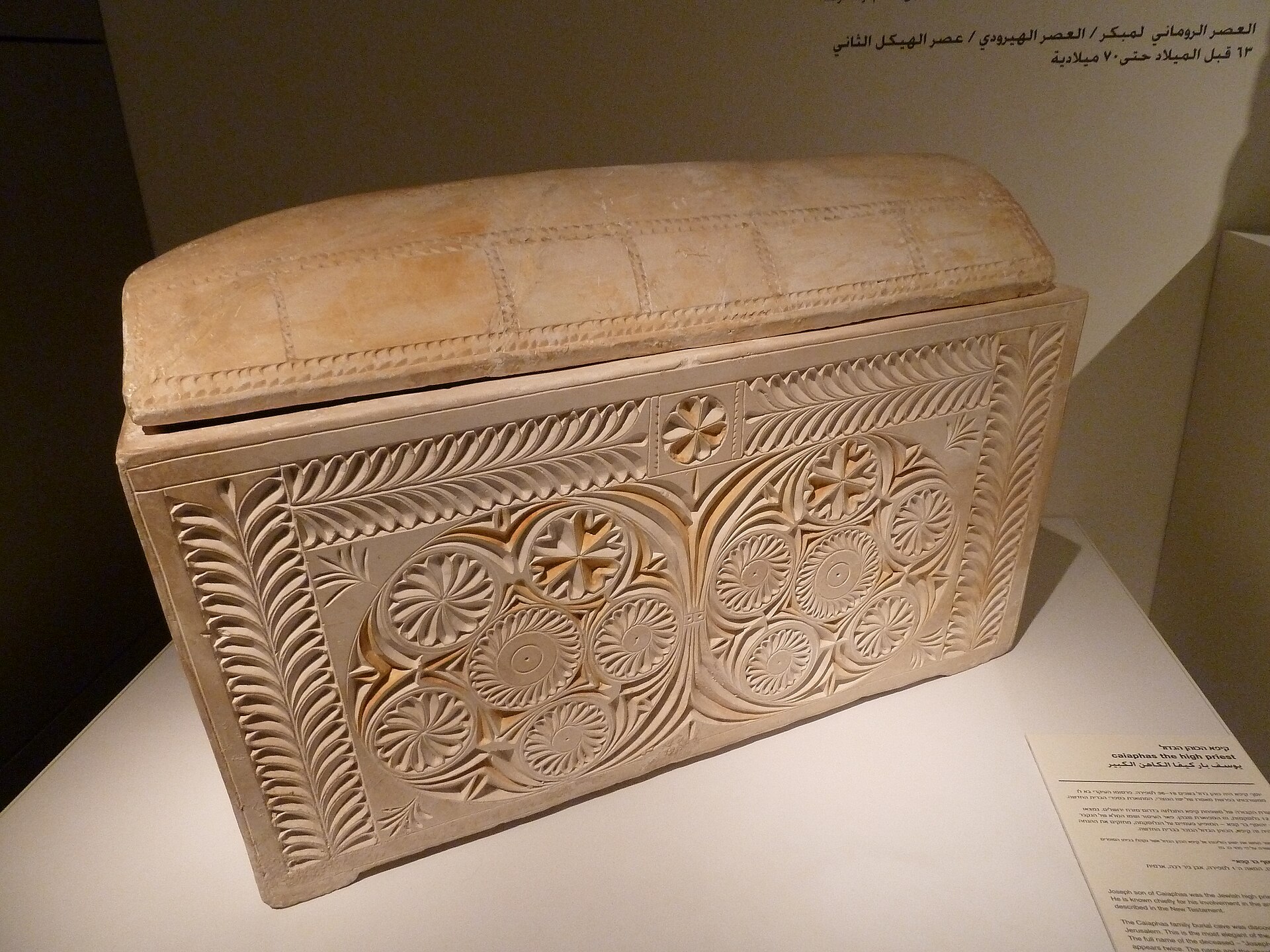
Ornately carved limestone bone-box inscribed "Joseph son of Caiaphas".
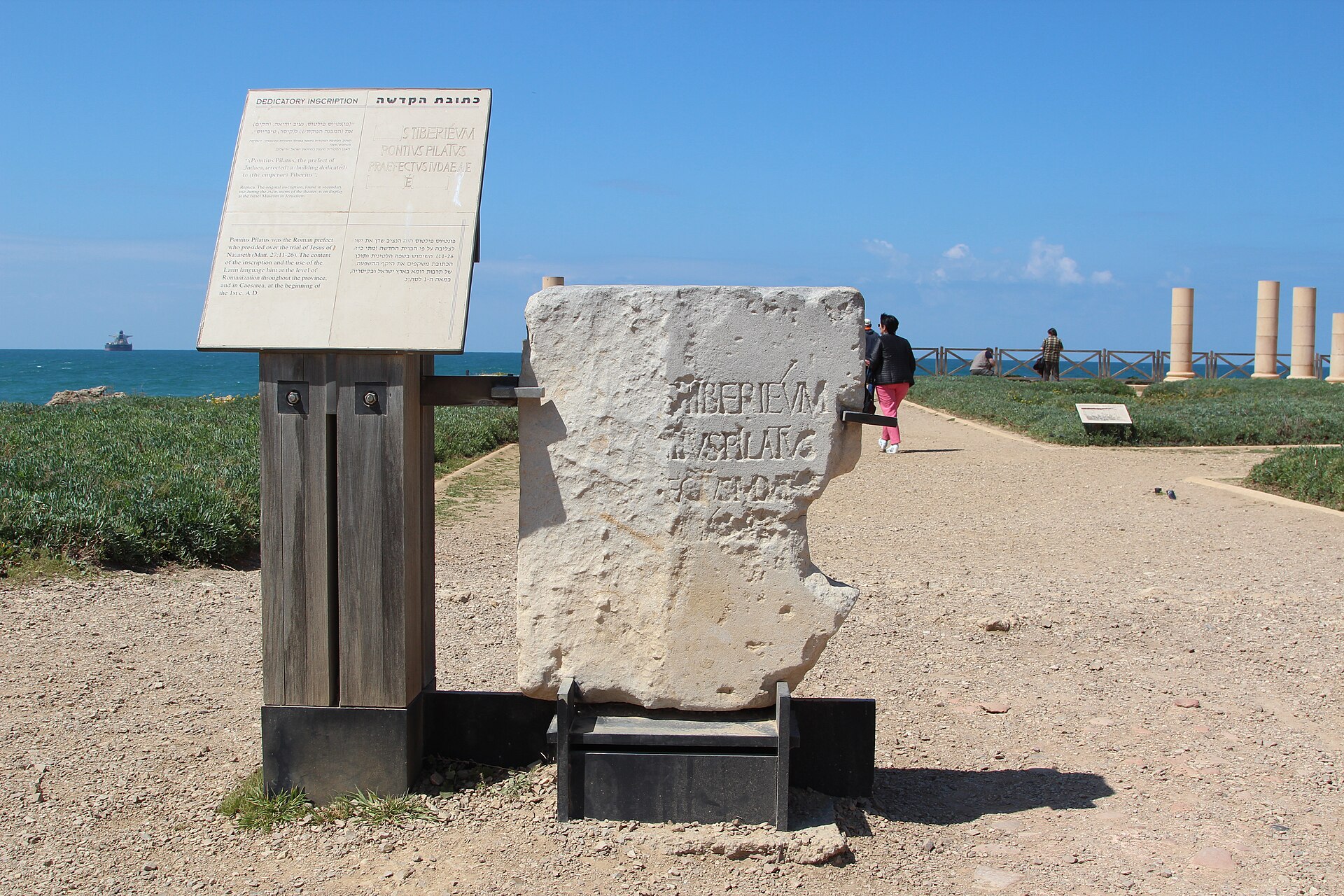
Limestone dedication naming Pontius Pilate, Prefect of Judea.
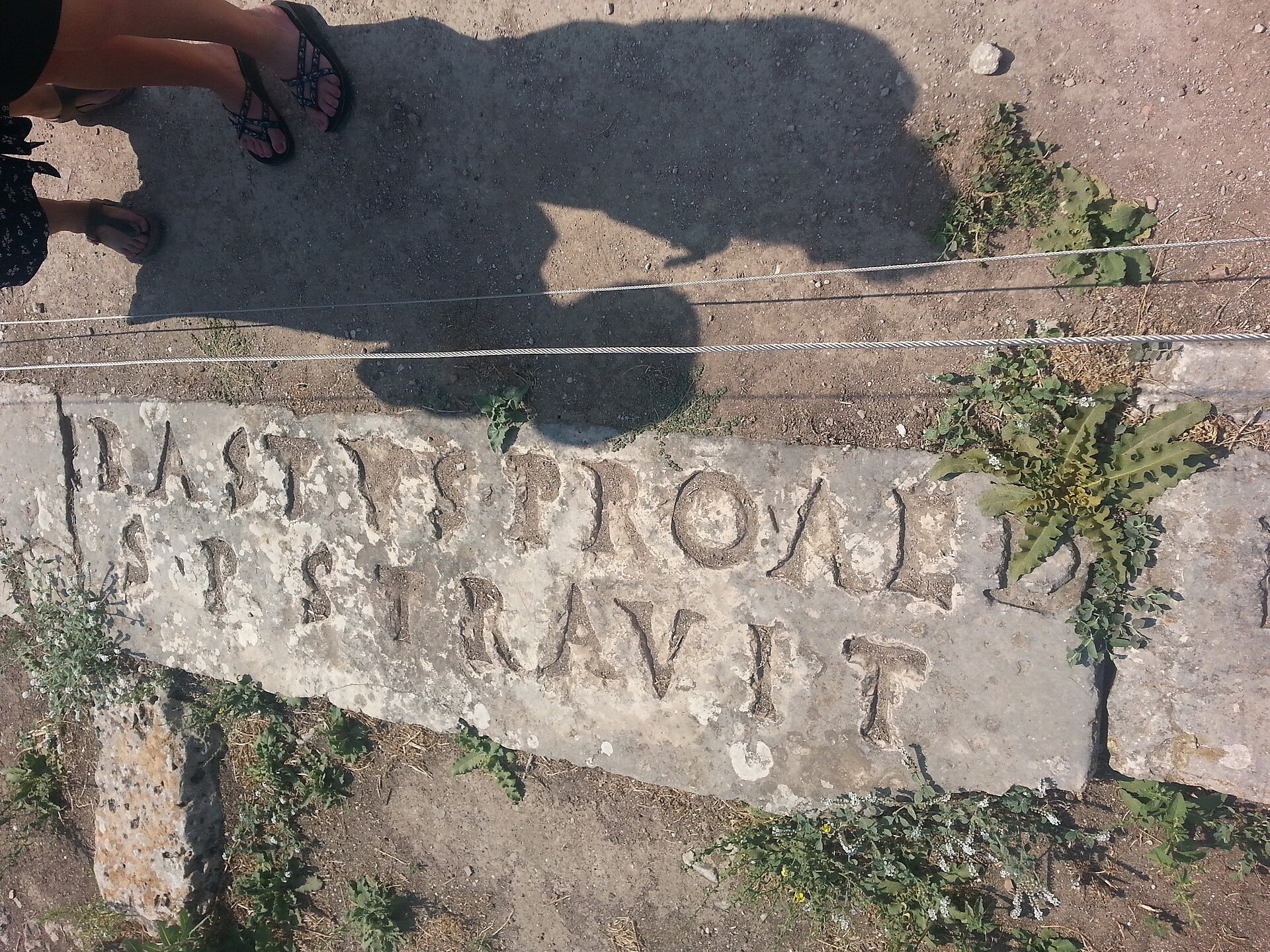
Latin pavement inscription naming the Corinthian city treasurer Erastus.
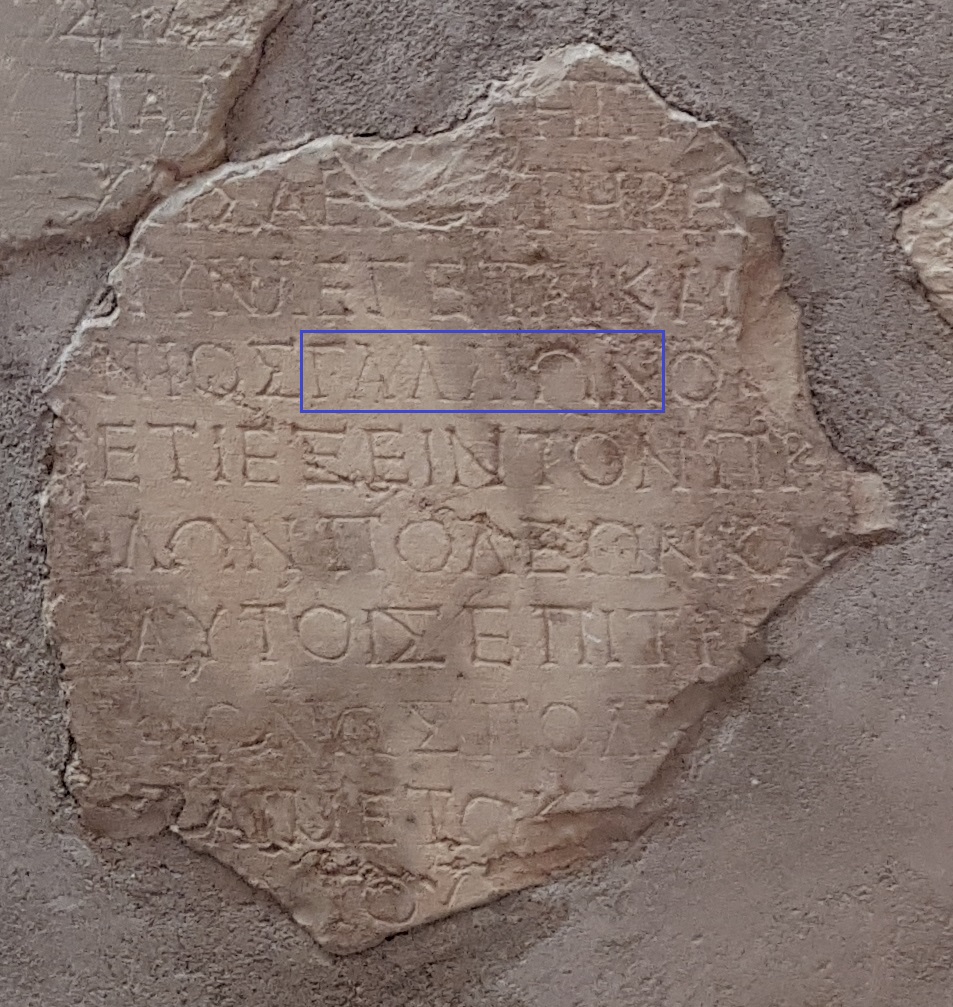
Roman inscription anchoring the ministry of Paul to a fixed date.