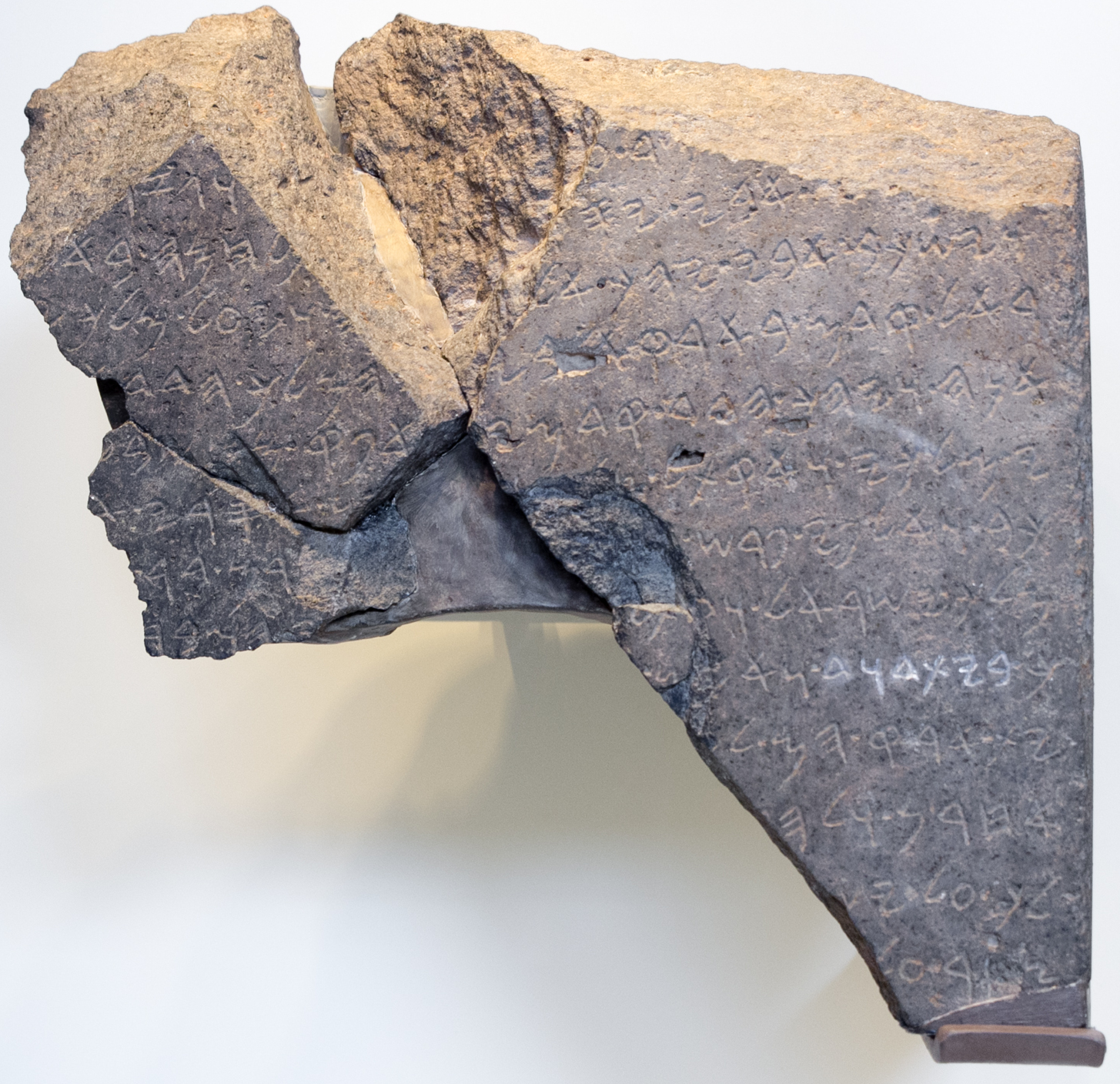
Tel Dan Stele
Aramaic victory stele containing the earliest extra-biblical reference to the House of David.
A fragmentary basalt stele discovered at Tel Dan in northern Israel, inscribed in Old Aramaic. Erected by a king of Aram-Damascus (likely Hazael) to commemorate a victory over Israel and Judah, its Aramaic phrase BYTDWD ("House of David") is the first mention of David outside the Bible.
The Tel Dan Stele is one of the most important epigraphic finds in biblical archaeology. Prior to its discovery in 1993, critical scholars widely doubted David's historicity. The inscription confirms that within roughly 150 years of his reign, a foreign kingdom acknowledged a dynasty called the "House of David" ruling Judah.
Related artifacts
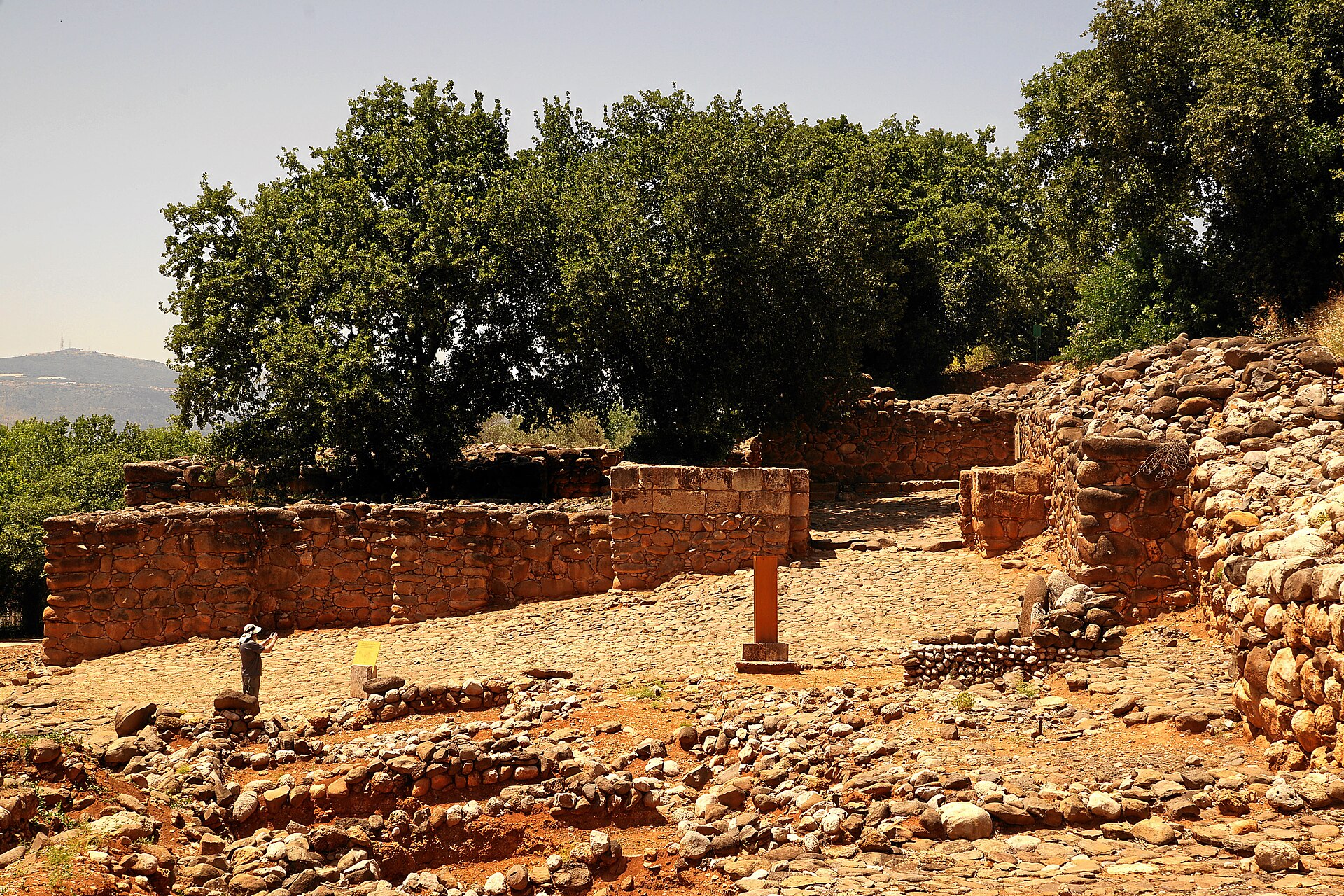
Massive Iron Age city gate complex at ancient Dan.
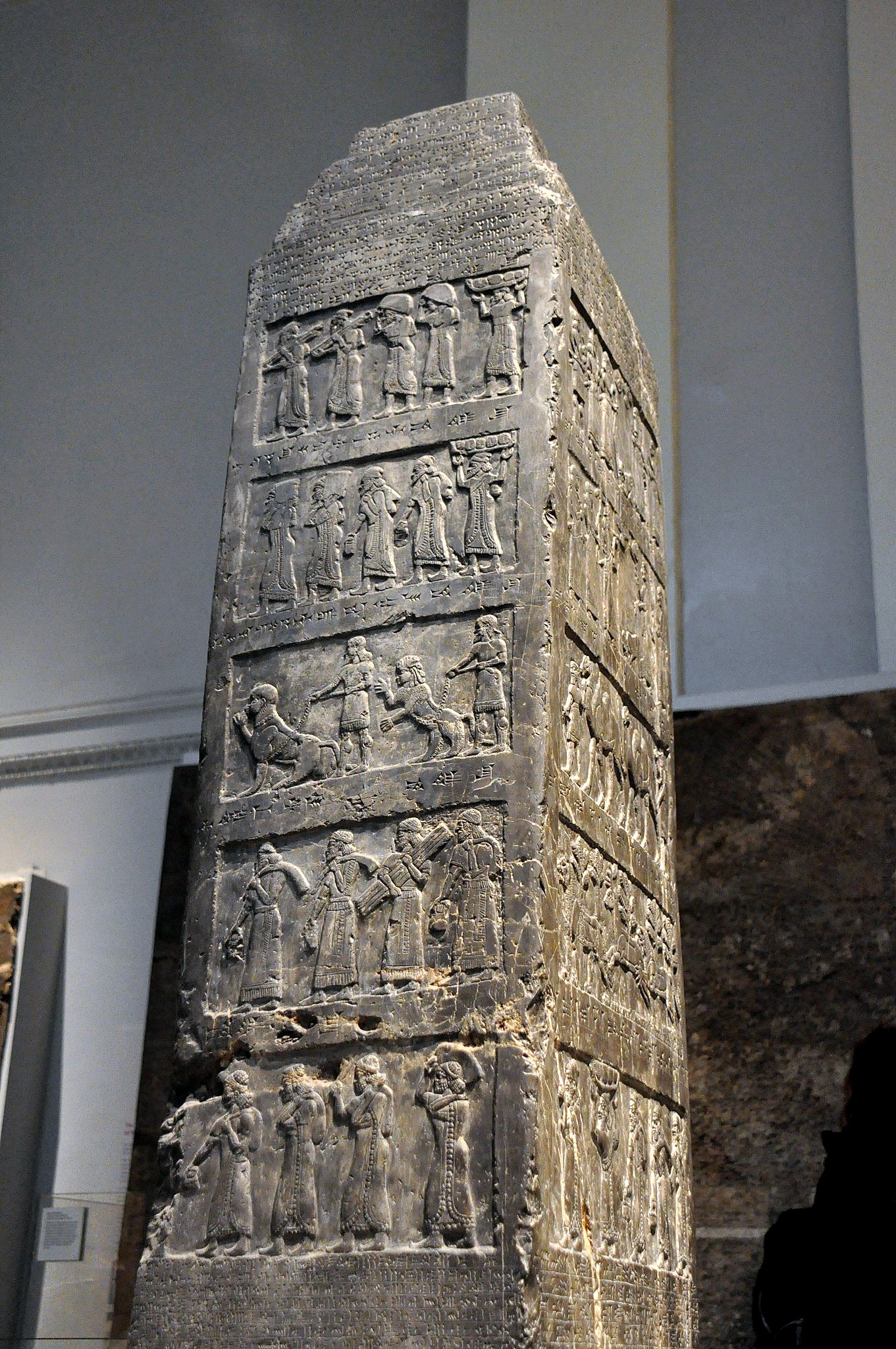
Assyrian monument depicting Jehu, king of Israel, bowing before the Assyrian king.
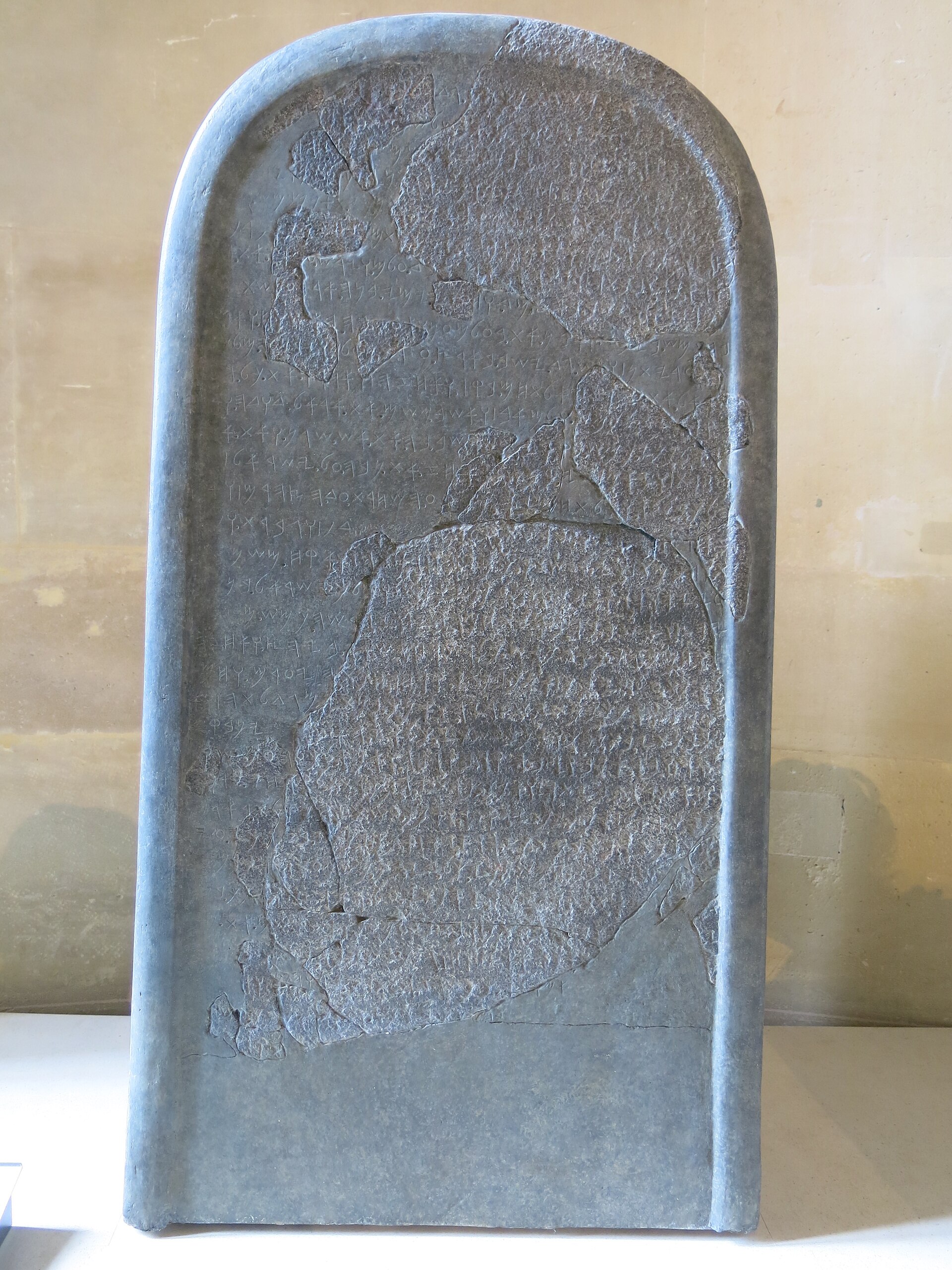
Basalt monument on which Mesha, king of Moab, recounts his revolt against Israel.