← Back to catalog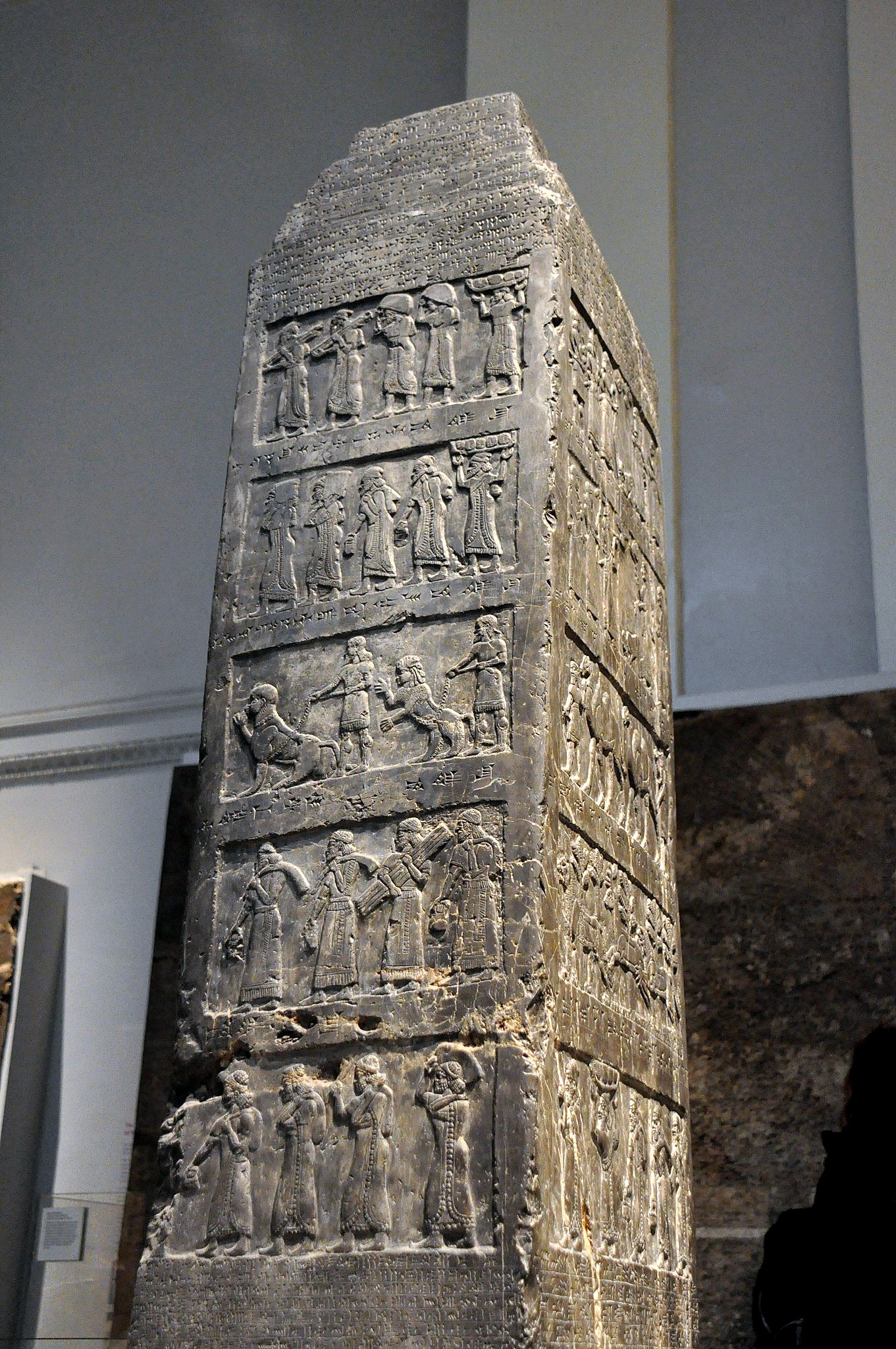
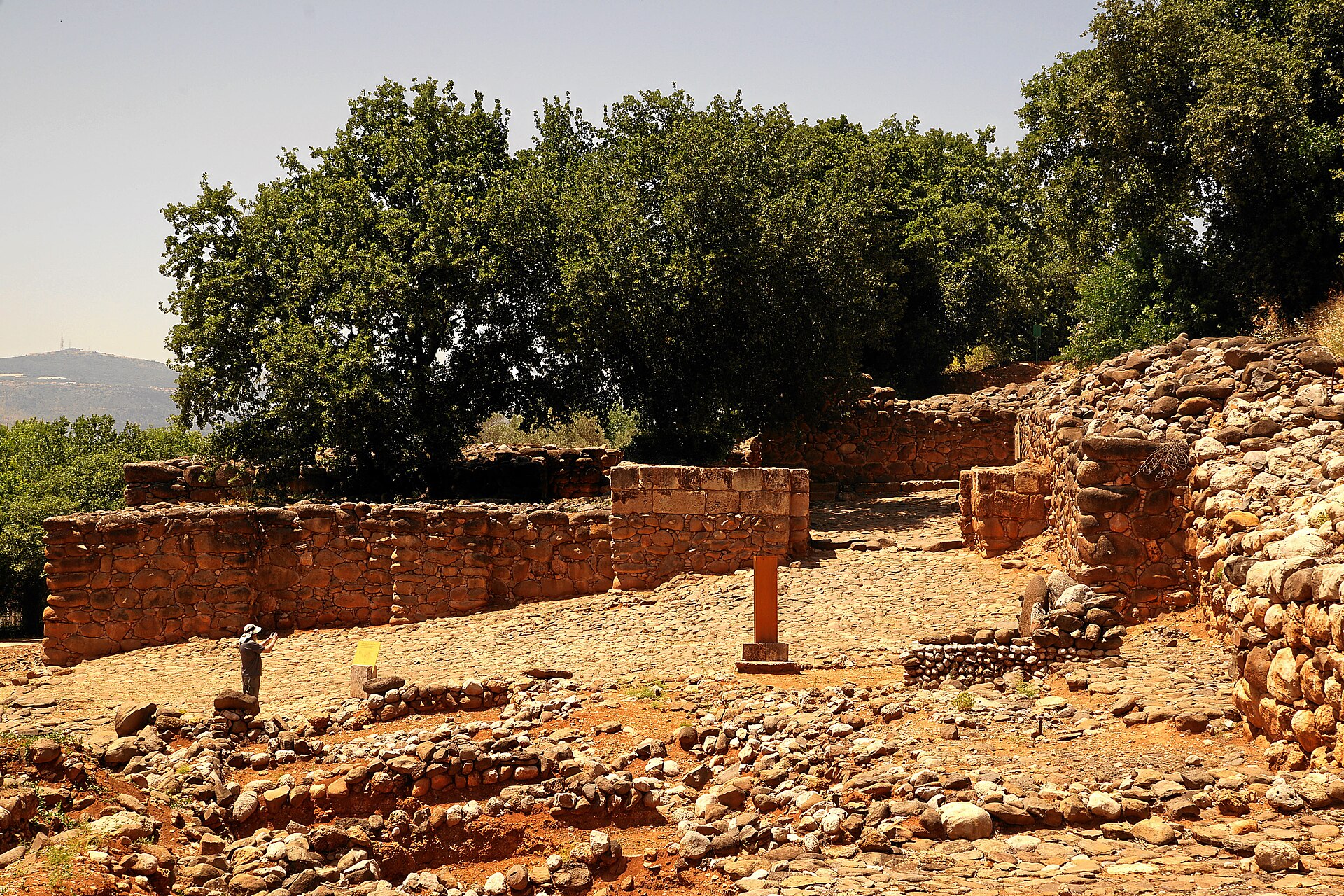
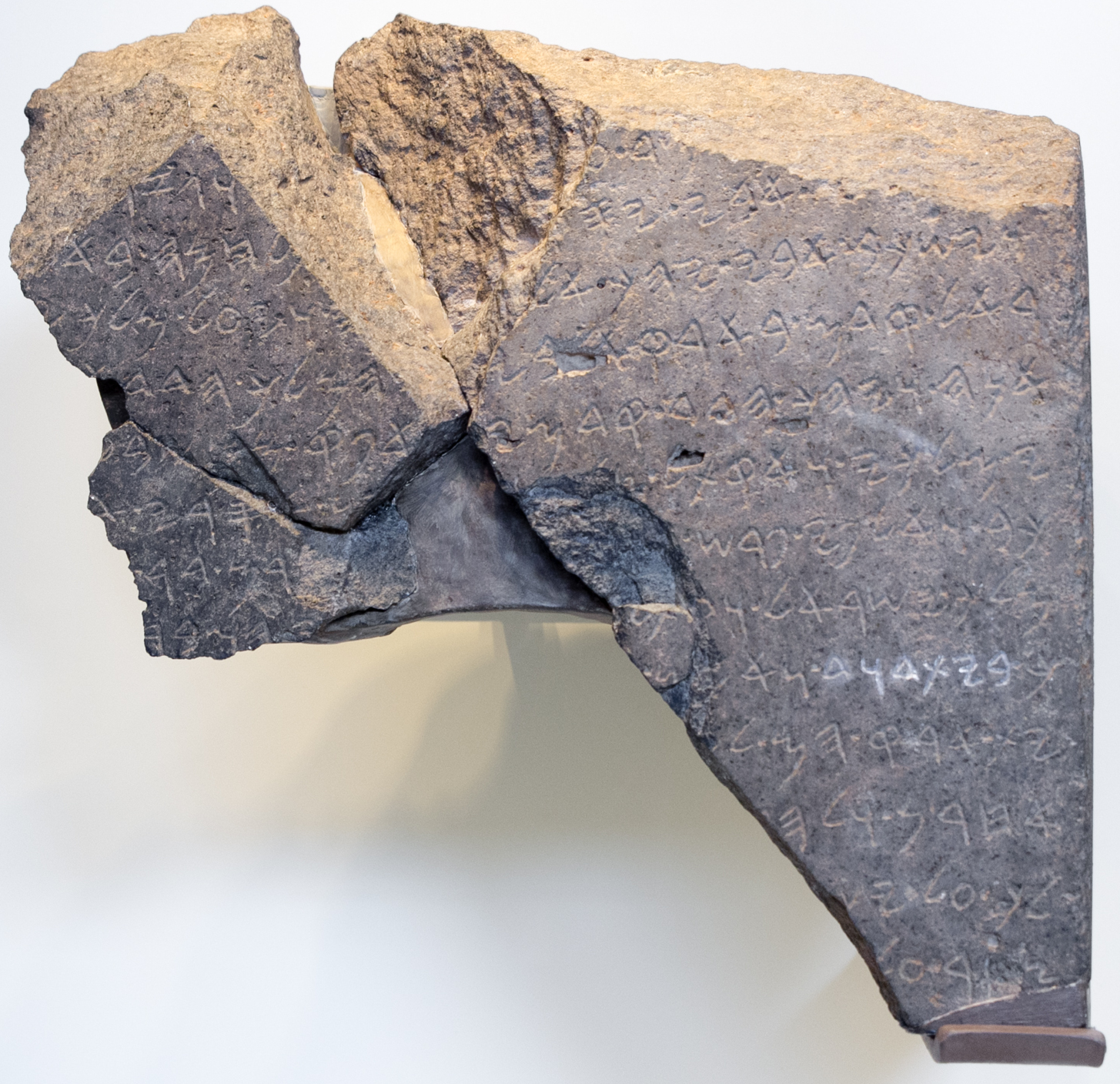
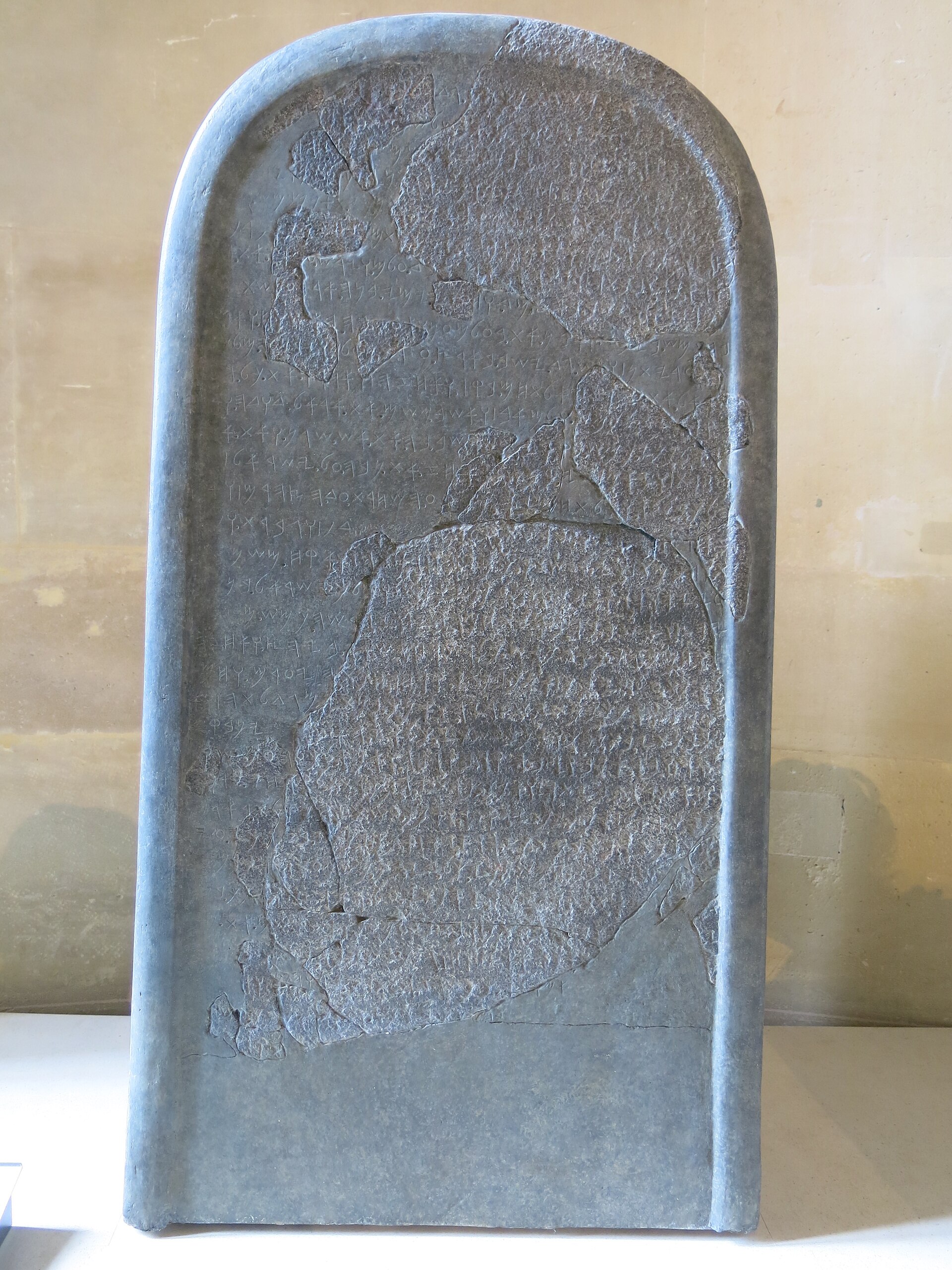
Image: Osama Shukir Muhammed Amin FRCP(Glasg) / Wikimedia Commons (CC BY-SA 4.0)
Divided Kingdom · c. 827 BCE
Black Obelisk of Shalmaneser III
Assyrian monument depicting Jehu, king of Israel, bowing before the Assyrian king.
Date
c. 827 BCE
Culture
Neo-Assyrian
Material
Black limestone
Dimensions
197 cm tall
Found at
Nimrud (Calah), Iraq
Held by
British Museum, London
Discovered by
Austen Henry Layard (1846)
obeliskassyrianjehuisrael
Description
A 6.5-foot black limestone obelisk from Nimrud carved on all four sides with reliefs of tribute-bearers. The second register shows "Jehu son of Omri" bowing before Shalmaneser III — the only surviving image of an Israelite king.
Biblical significance
The Black Obelisk gives us the earliest known likeness of an Israelite ruler and independently confirms Jehu's reign (2 Kings 9-10) and Israel's political subjugation to Assyria.
From the same era
Related artifacts
Divided Kingdom · 9th–8th century BCE
Tel Dan Israelite Gate
Massive Iron Age city gate complex at ancient Dan.
Divided Kingdom · 9th century BCE
Tel Dan Stele
Aramaic victory stele containing the earliest extra-biblical reference to the House of David.
Divided Kingdom · c. 840 BCE
Mesha Stele (Moabite Stone)
Basalt monument on which Mesha, king of Moab, recounts his revolt against Israel.