← Back to catalog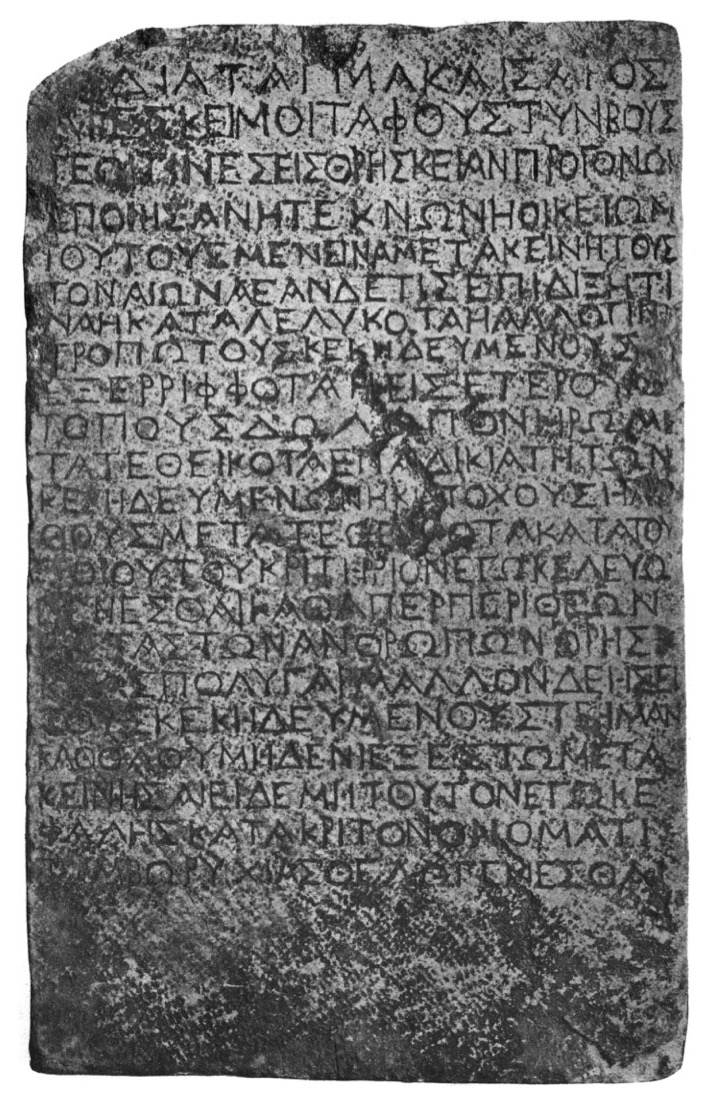
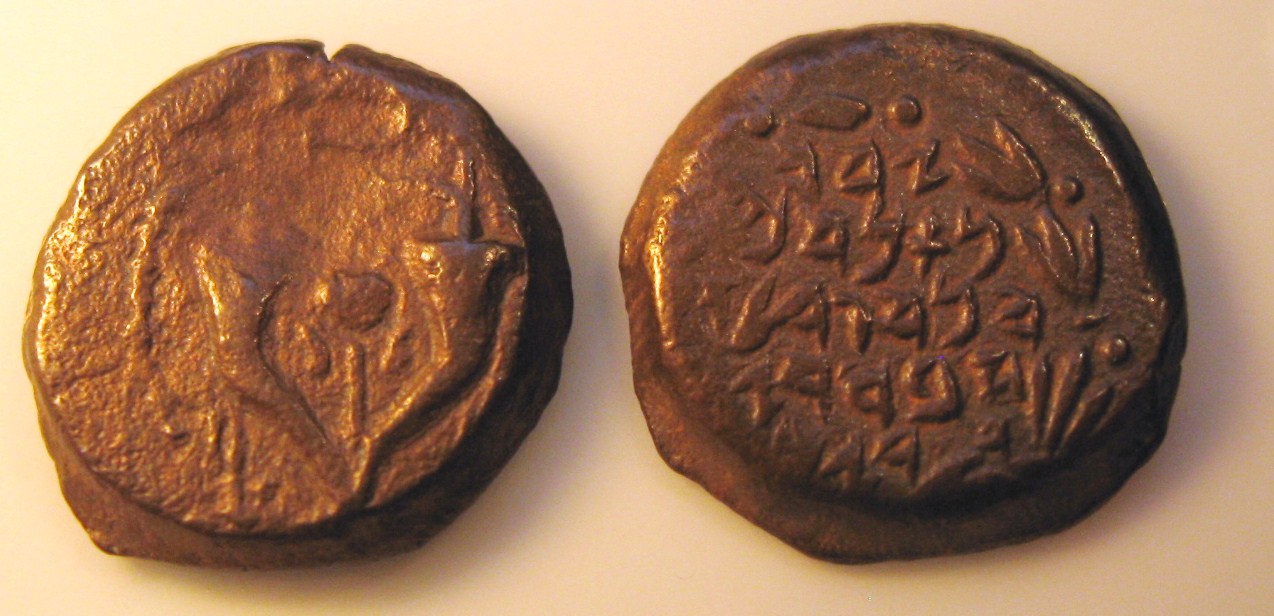
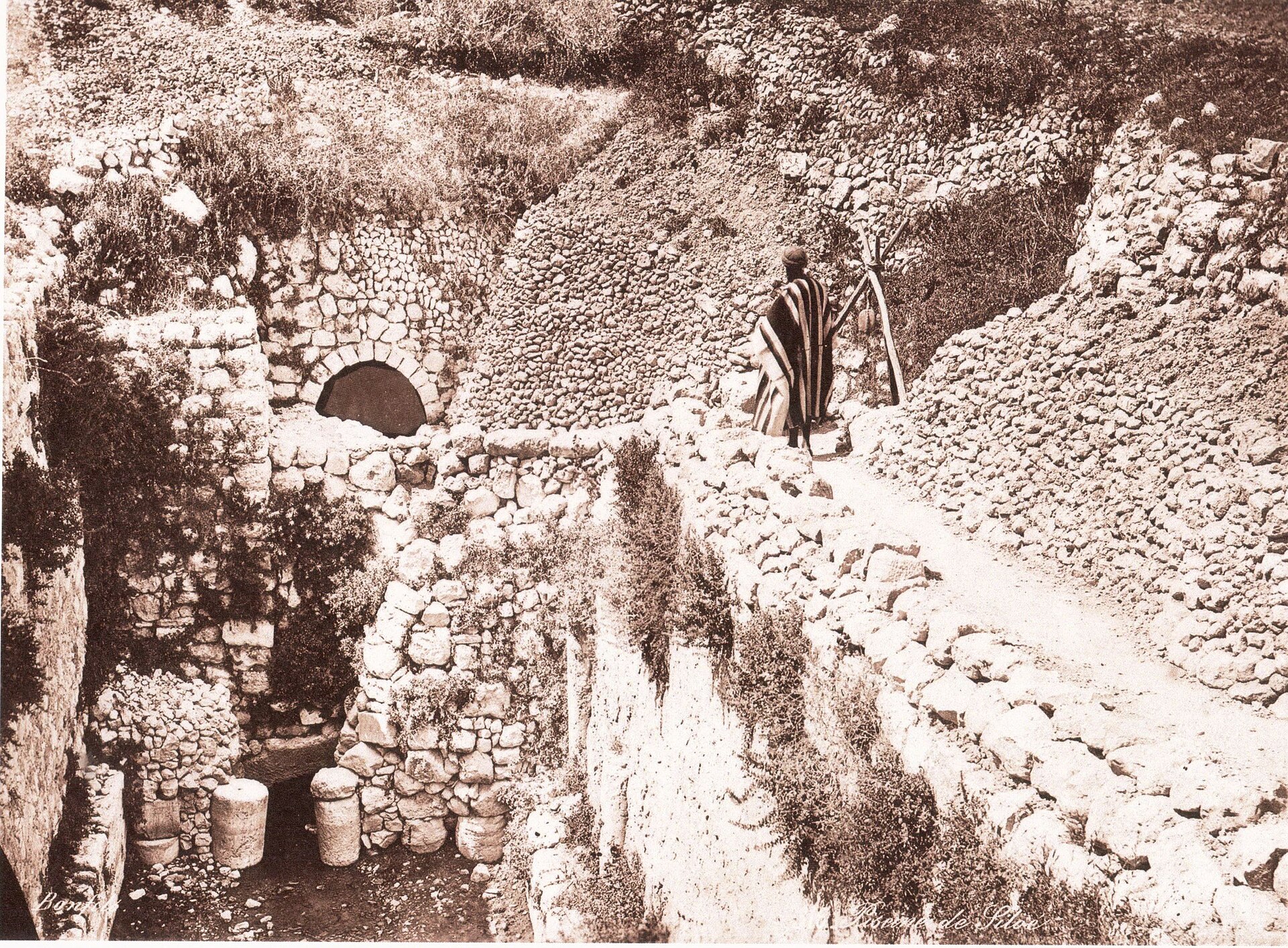
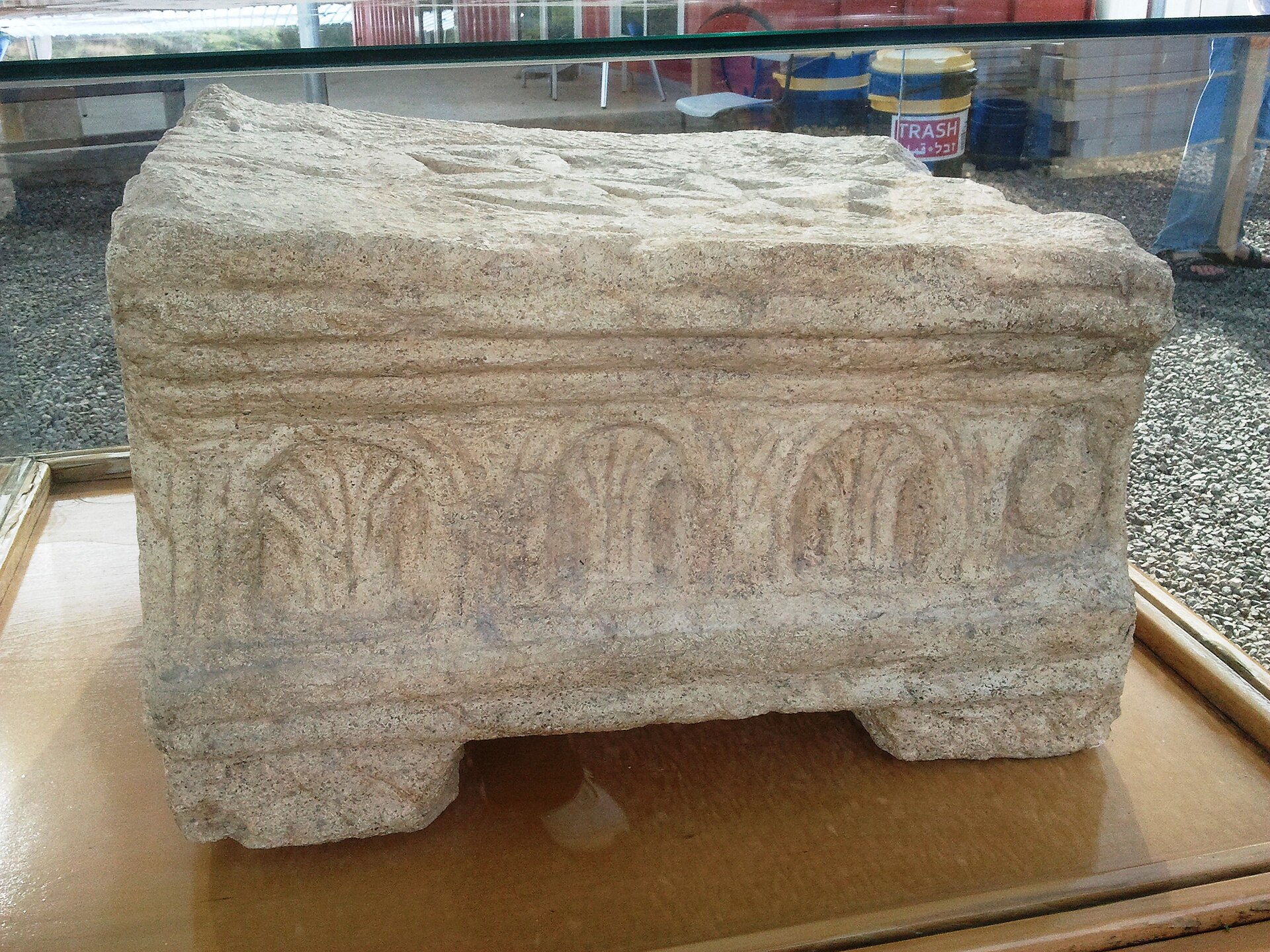
Image: F. Cumont / Wikimedia Commons (Public domain)
New Testament · 1st century CE
Nazareth Inscription
Imperial Greek edict against tomb-robbing, possibly from the mid-1st century CE.
Date
1st century CE
Culture
Roman
Material
Marble
Dimensions
61 cm x 38 cm
Found at
Nazareth region (reported)
Held by
Bibliothèque nationale de France, Paris
Discovered by
Wilhelm Fröhner (acquisition) (1878)
inscriptionromanresurrection
Description
A marble tablet inscribed in Greek with an imperial decree ordering capital punishment for anyone who disturbs a tomb or moves a buried body. Provenance said to be Nazareth.
Biblical significance
Long discussed in connection with early reactions to reports of Jesus' resurrection (Matthew 28:11-15), though recent isotopic analysis suggests the marble originated on the Greek island of Kos.
From the same era
Related artifacts
New Testament · c. 103–76 BCE (in use through 1st c. CE)
Widow's Mite (Lepton of Alexander Jannaeus)
Tiny bronze coin representing the two mites of the poor widow.
New Testament · late 1st century BCE – 70 CE
Pool of Siloam
First-century stepped pool where Jesus healed the man born blind.
New Testament · c. 1st century CE
Magdala Stone
Carved limestone block from a 1st-century synagogue at Magdala.