← Back to catalog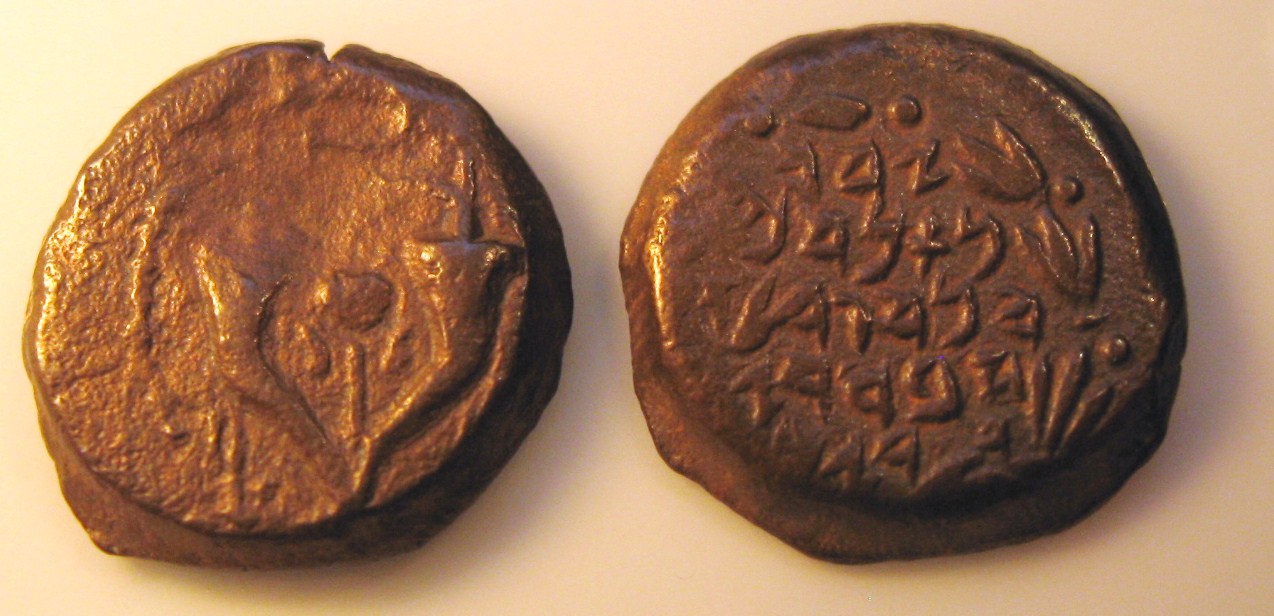
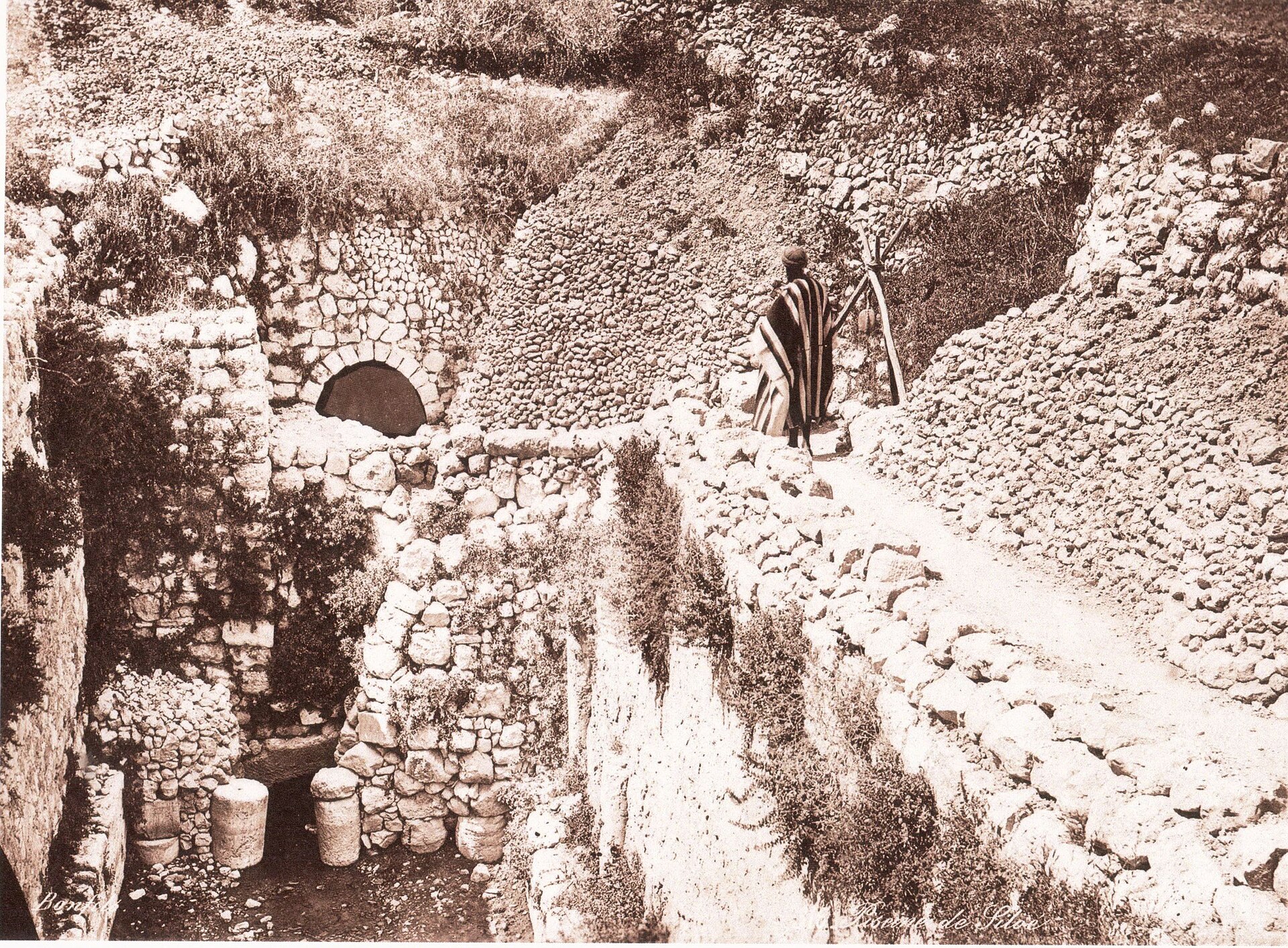
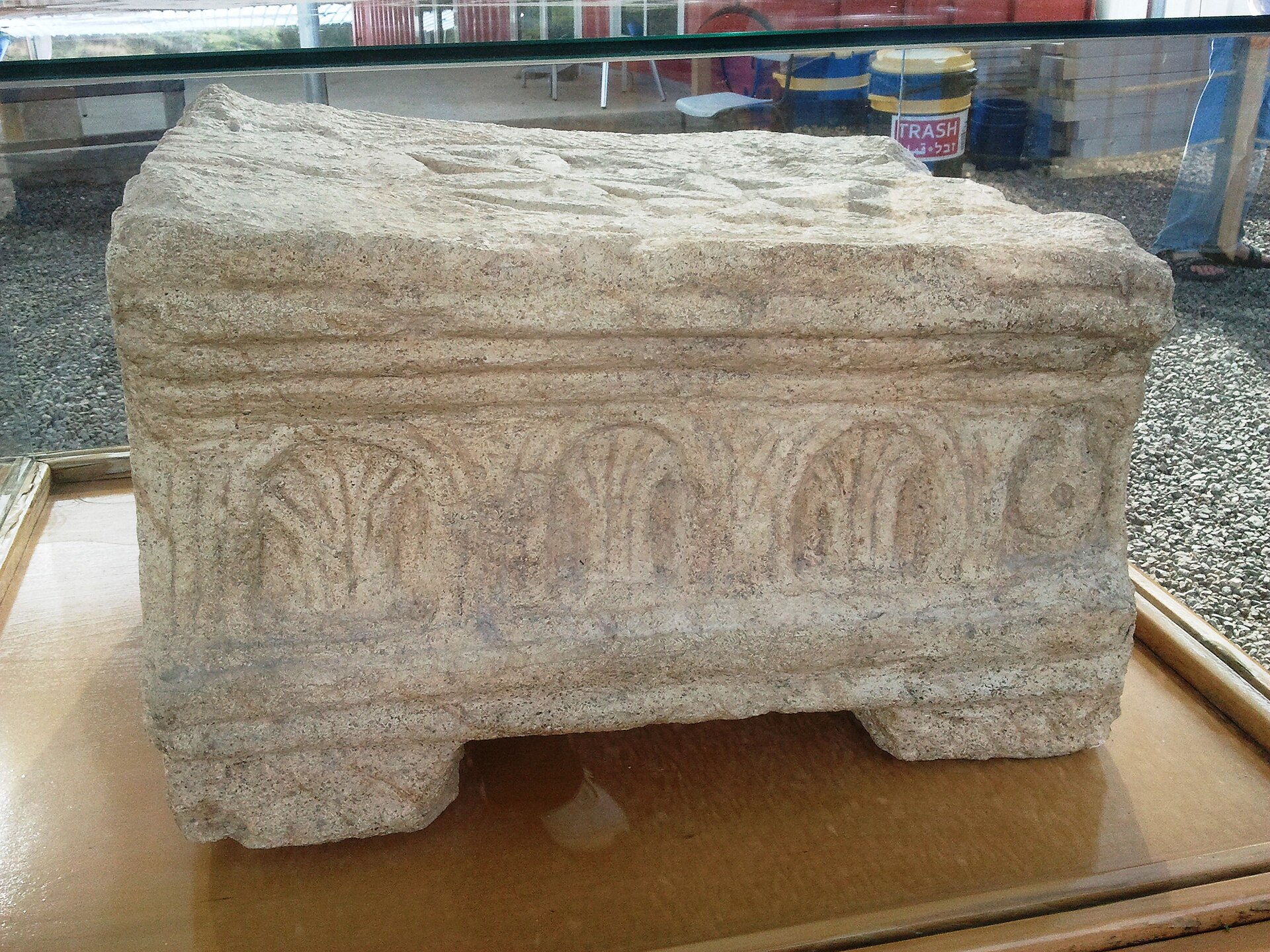
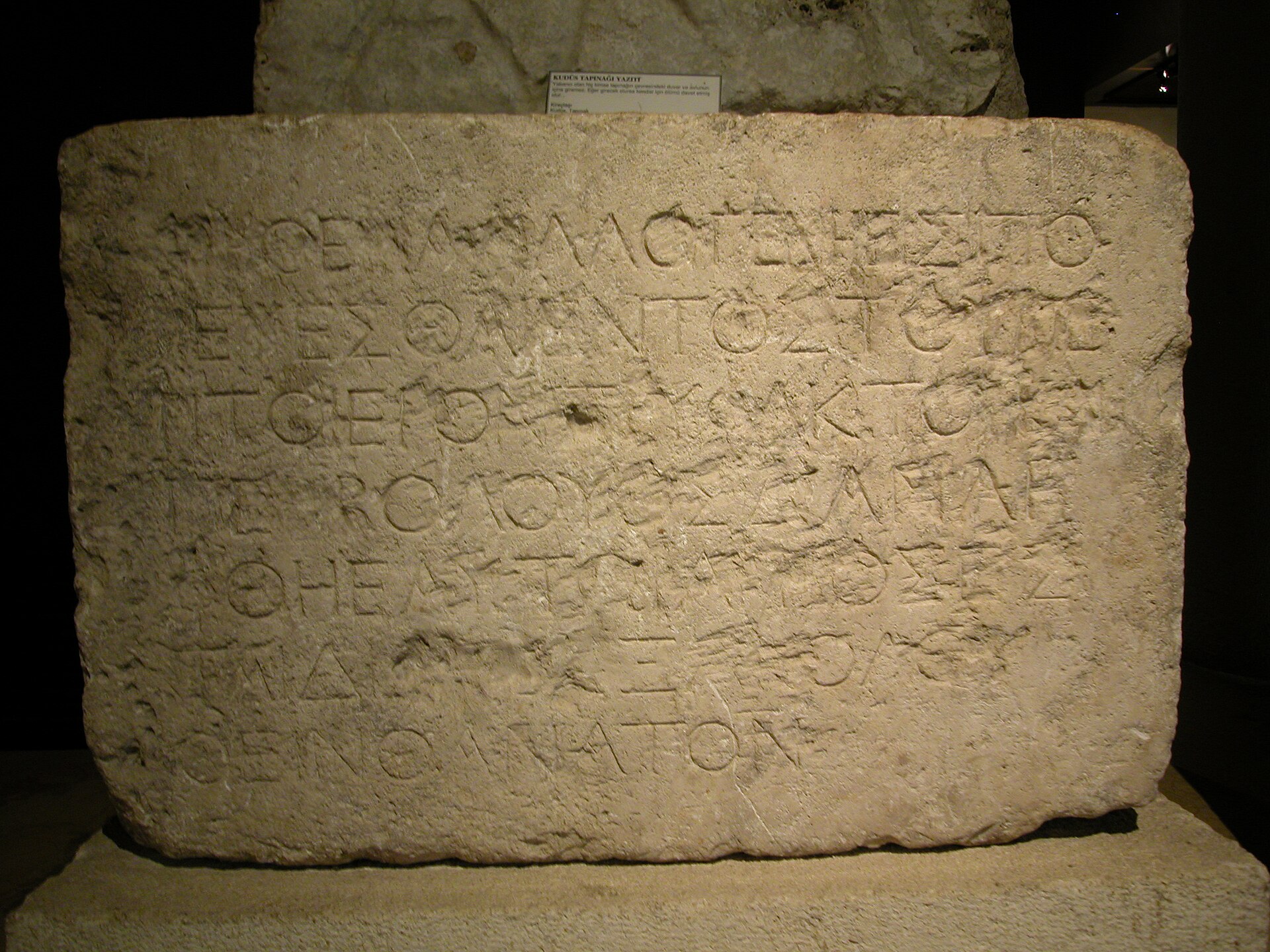
Image: Atzmonit / Wikimedia Commons (CC BY-SA 4.0)
New Testament · c. 103–76 BCE (in use through 1st c. CE)
Widow's Mite (Lepton of Alexander Jannaeus)
Tiny bronze coin representing the two mites of the poor widow.
Date
c. 103–76 BCE (in use through 1st c. CE)
Culture
Hasmonean
Material
Bronze
Dimensions
~13-15 mm diameter
Found at
Judea (widespread)
Held by
Various collections
Discovered by
Numismatists (1800)
coinbronzehasmonean
Description
Small bronze prutot / lepta minted under the Hasmonean king Alexander Jannaeus (103–76 BCE). These continued in wide circulation into the 1st century CE and are almost certainly the coin type Jesus commented on in the Temple.
Biblical significance
The "widow's mite" (Mark 12:41-44; Luke 21:1-4) was the smallest denomination in circulation — two of these together were worth about 1/64 of a day's wage.
From the same era
Related artifacts
New Testament · late 1st century BCE – 70 CE
Pool of Siloam
First-century stepped pool where Jesus healed the man born blind.
New Testament · c. 1st century CE
Magdala Stone
Carved limestone block from a 1st-century synagogue at Magdala.
New Testament · c. 20 BCE – 70 CE
Temple Warning Inscription
Greek inscription warning Gentiles not to enter the inner Temple courts.