← Back to catalog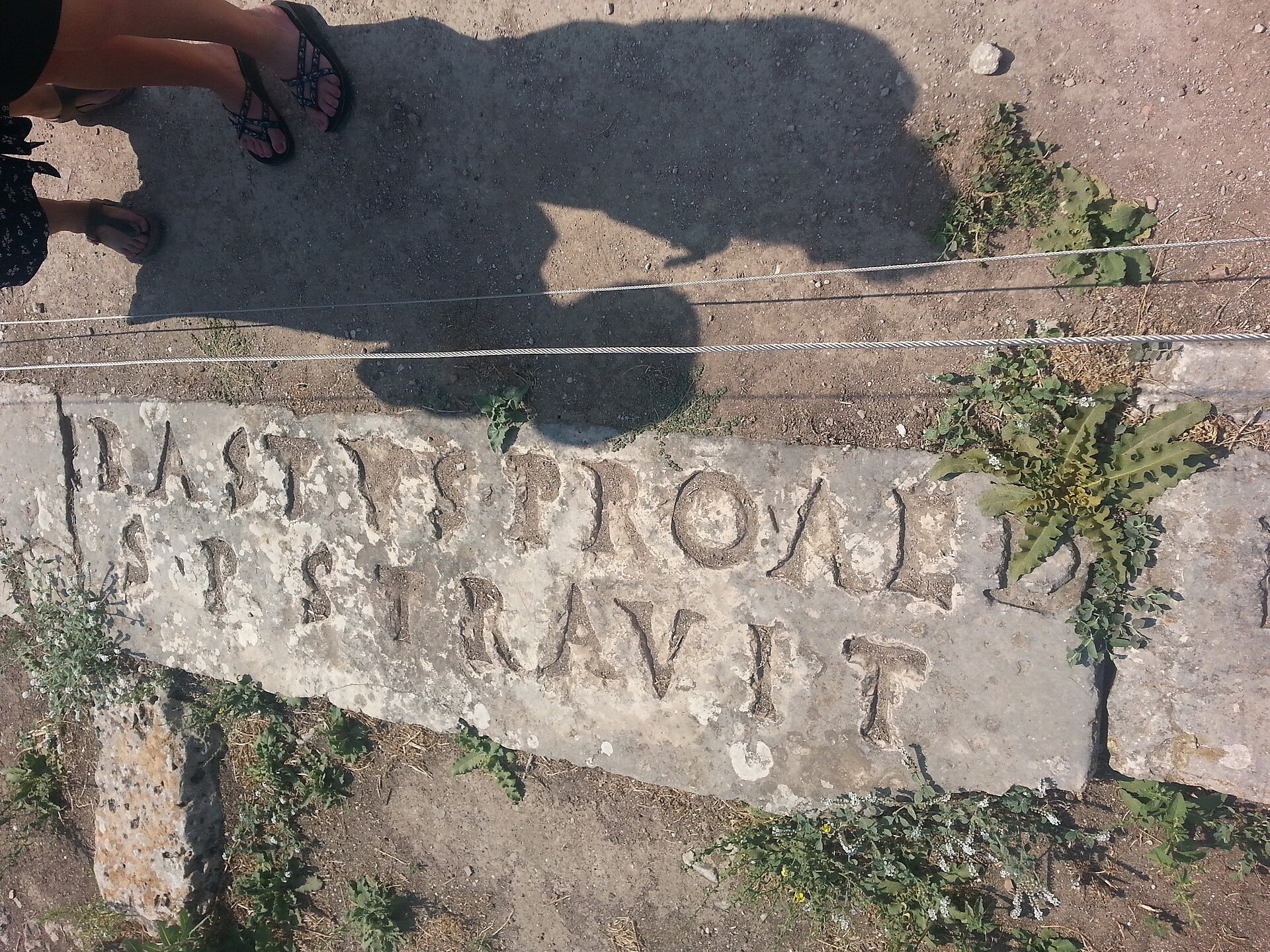
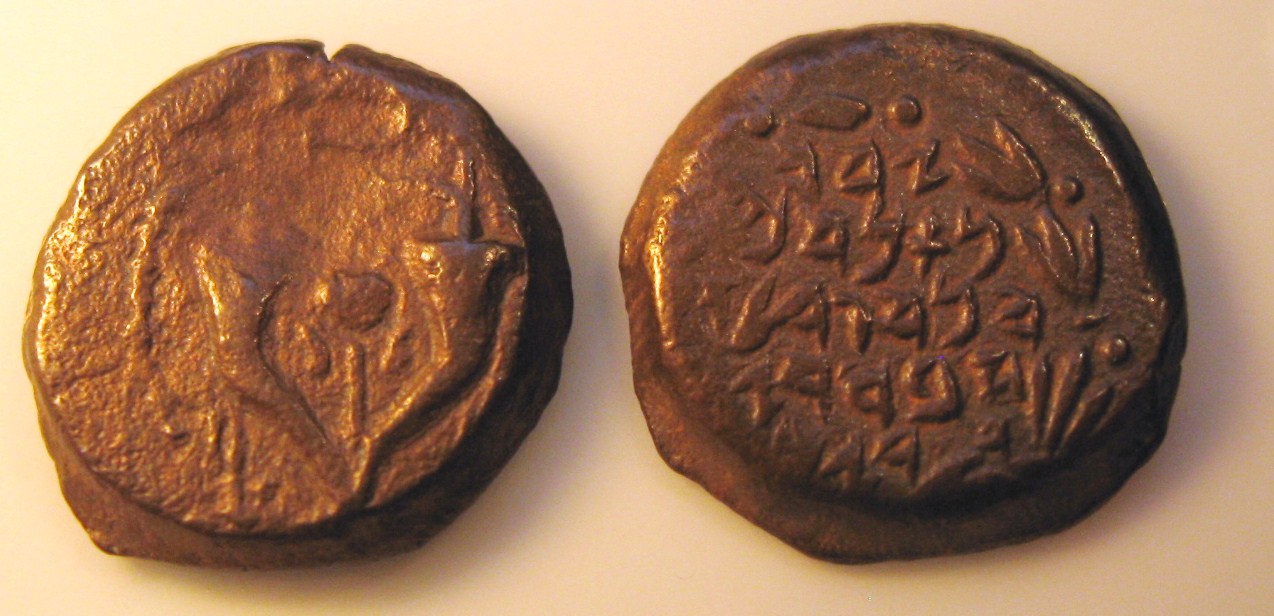
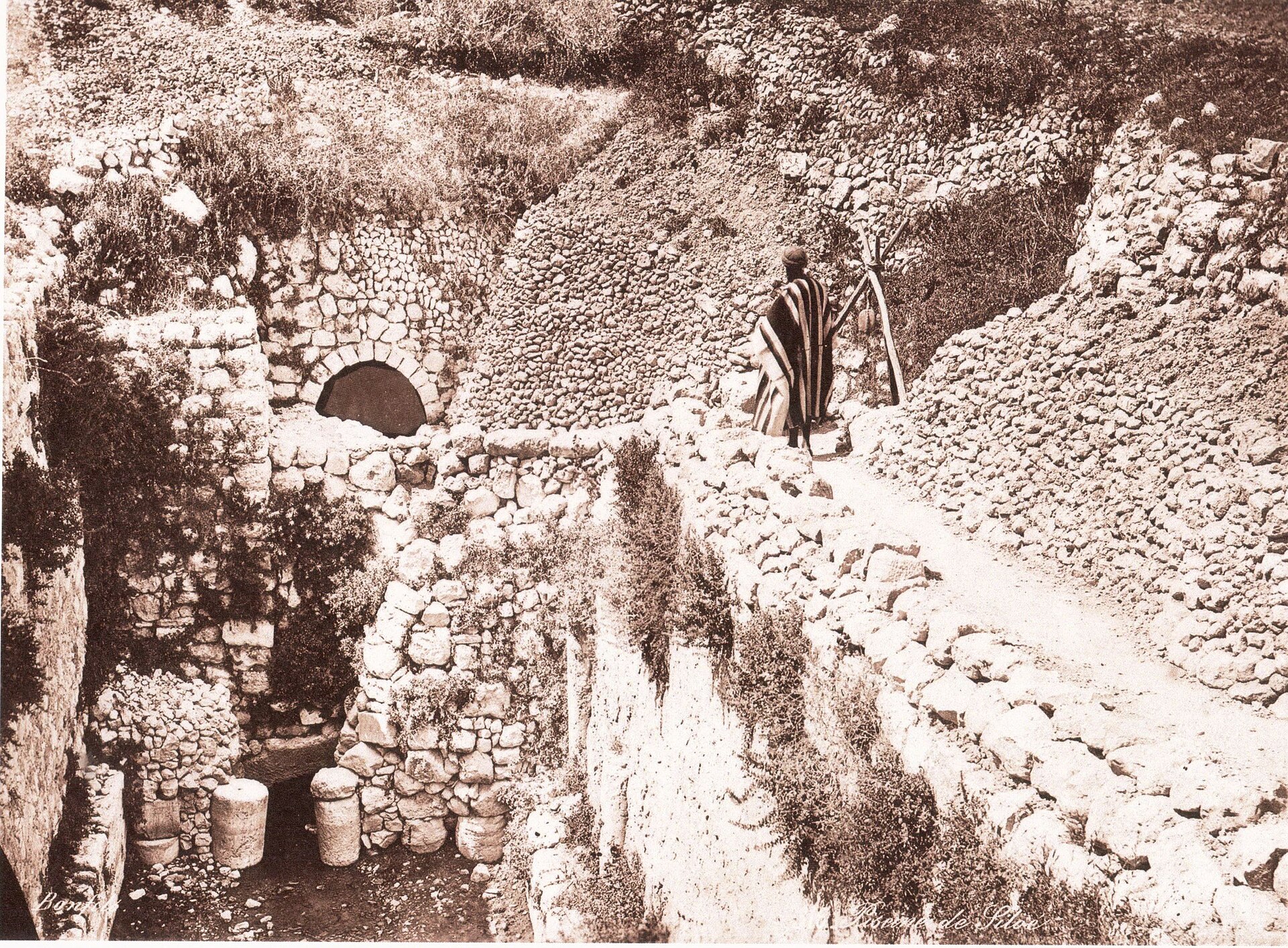
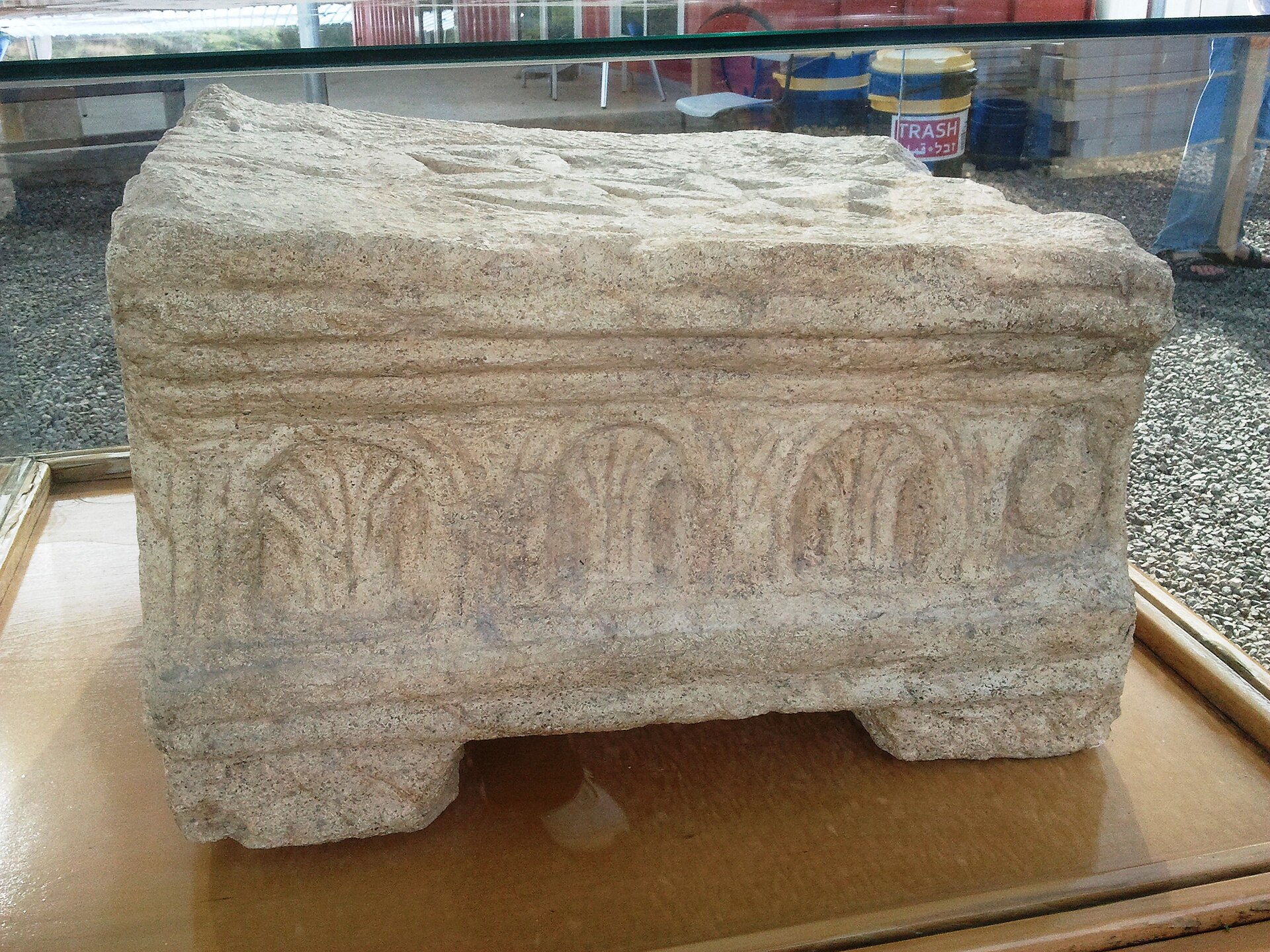
Image: Rduncan2 / Wikimedia Commons (CC BY-SA 4.0)
New Testament · mid-1st century CE
Erastus Inscription
Latin pavement inscription naming the Corinthian city treasurer Erastus.
Date
mid-1st century CE
Culture
Roman
Material
Limestone
Dimensions
Pavement inscription
Found at
Corinth, Greece
Held by
In situ (Corinth)
Discovered by
ASCSA excavations (1929)
inscriptionromancorinthpaul
Description
A limestone paving block near the theater at ancient Corinth reading "Erastus in return for his aedileship laid [the pavement] at his own expense."
Biblical significance
Very plausibly the same Erastus Paul names as "the city treasurer" of Corinth in Romans 16:23, illustrating the presence of prominent civic figures in the early Christian community.
From the same era
Related artifacts
New Testament · c. 103–76 BCE (in use through 1st c. CE)
Widow's Mite (Lepton of Alexander Jannaeus)
Tiny bronze coin representing the two mites of the poor widow.
New Testament · late 1st century BCE – 70 CE
Pool of Siloam
First-century stepped pool where Jesus healed the man born blind.
New Testament · c. 1st century CE
Magdala Stone
Carved limestone block from a 1st-century synagogue at Magdala.