← Back to catalog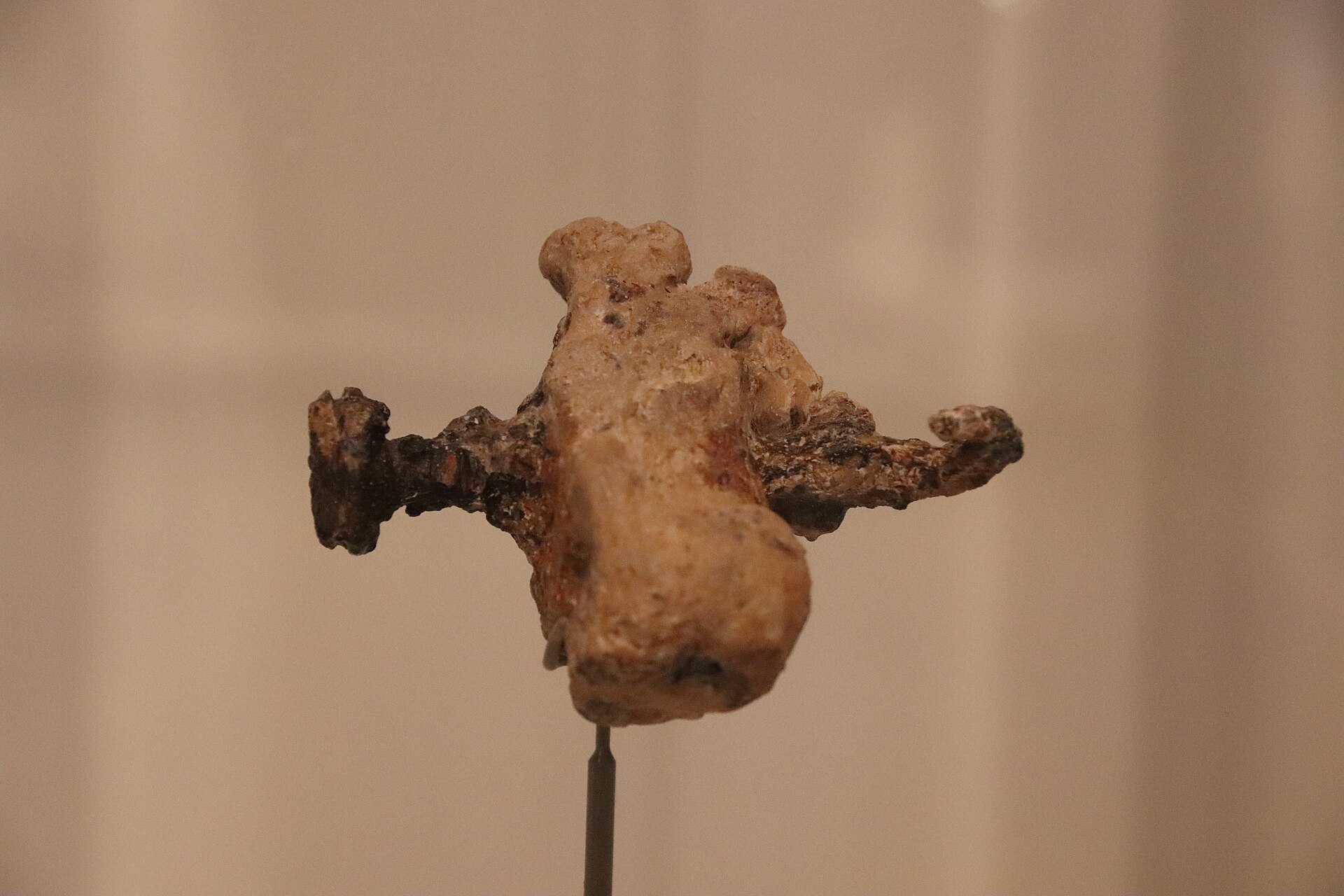
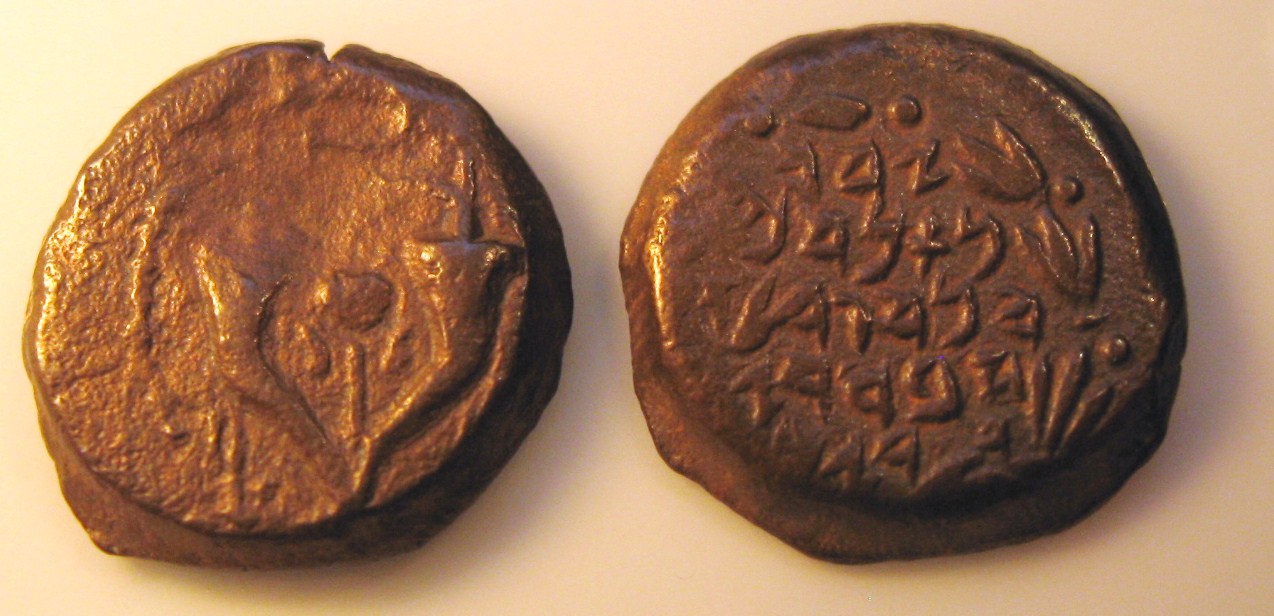
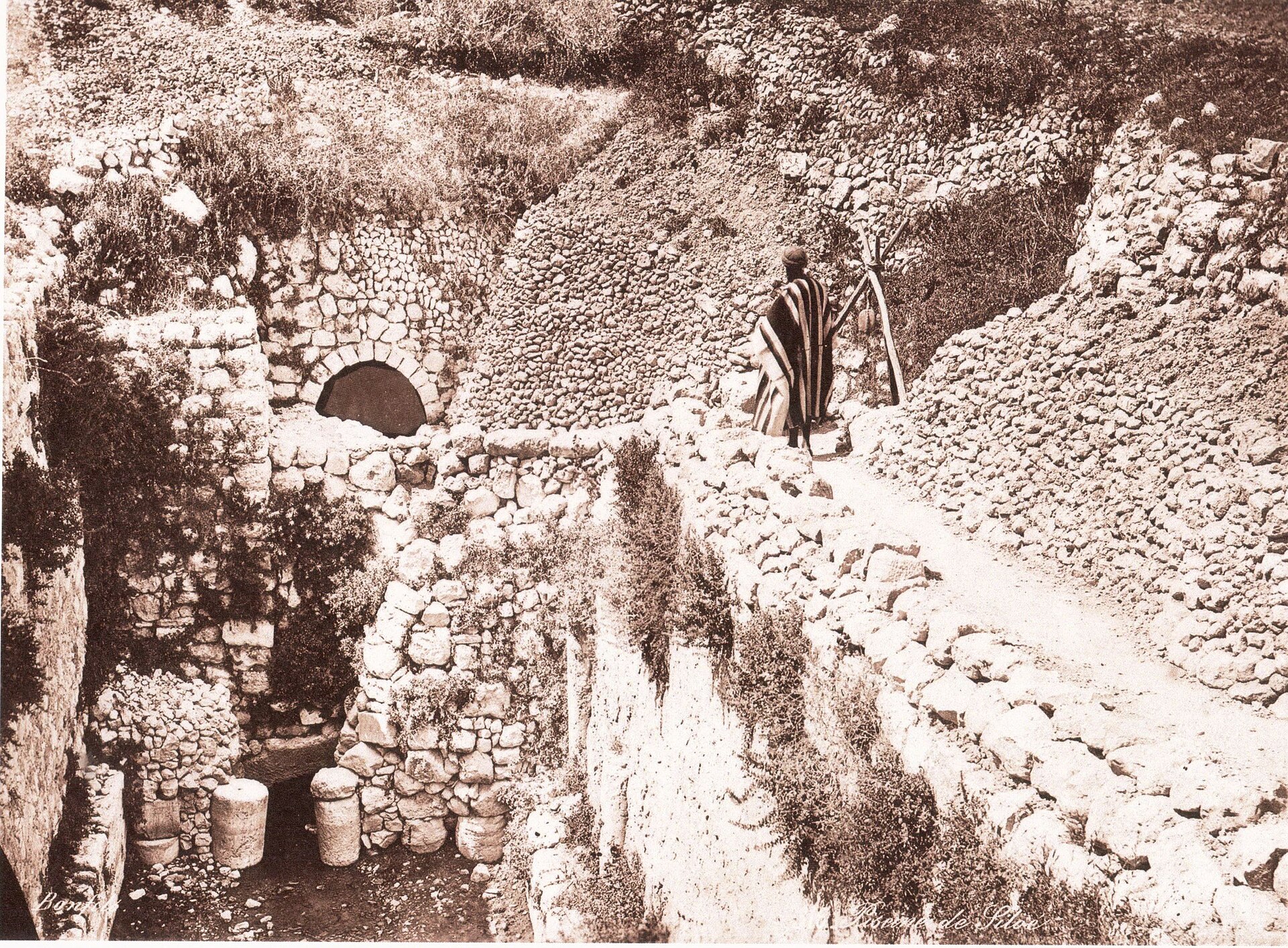
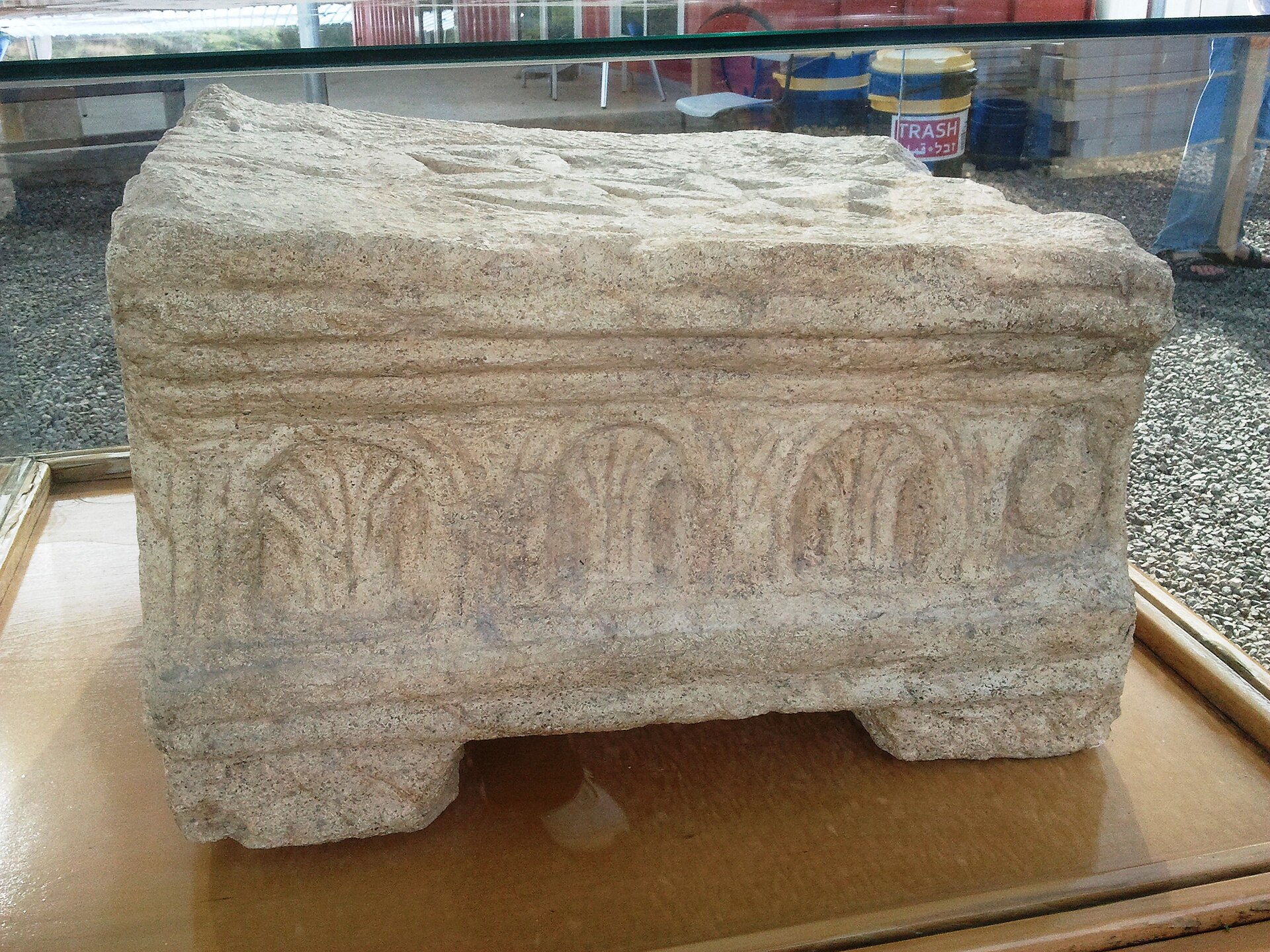
Image: Gary Todd / Wikimedia Commons (CC0)
New Testament · 1st century CE
Heel Bone of Yehohanan
Only known physical evidence of Roman crucifixion — an iron nail through a heel bone.
Date
1st century CE
Culture
Roman Jewish
Material
Bone & iron
Dimensions
Nail: 11.5 cm
Found at
Giv'at ha-Mivtar, Jerusalem
Held by
Israel Museum, Jerusalem
Discovered by
Vassilios Tzaferis (1968)
bonecrucifixionromanburial
Description
The right calcaneum (heel bone) of a Jewish man named Yehohanan, still pierced by an 11.5 cm iron nail bent by hitting a knot in the olive-wood cross. Found in an ossuary in a family tomb north of Jerusalem.
Biblical significance
This find, dated to the 1st century CE, is the only osteological evidence of Roman crucifixion ever discovered, corroborating the manner of Jesus' death (Matthew 27:35; John 19:16-18).
From the same era
Related artifacts
New Testament · c. 103–76 BCE (in use through 1st c. CE)
Widow's Mite (Lepton of Alexander Jannaeus)
Tiny bronze coin representing the two mites of the poor widow.
New Testament · late 1st century BCE – 70 CE
Pool of Siloam
First-century stepped pool where Jesus healed the man born blind.
New Testament · c. 1st century CE
Magdala Stone
Carved limestone block from a 1st-century synagogue at Magdala.